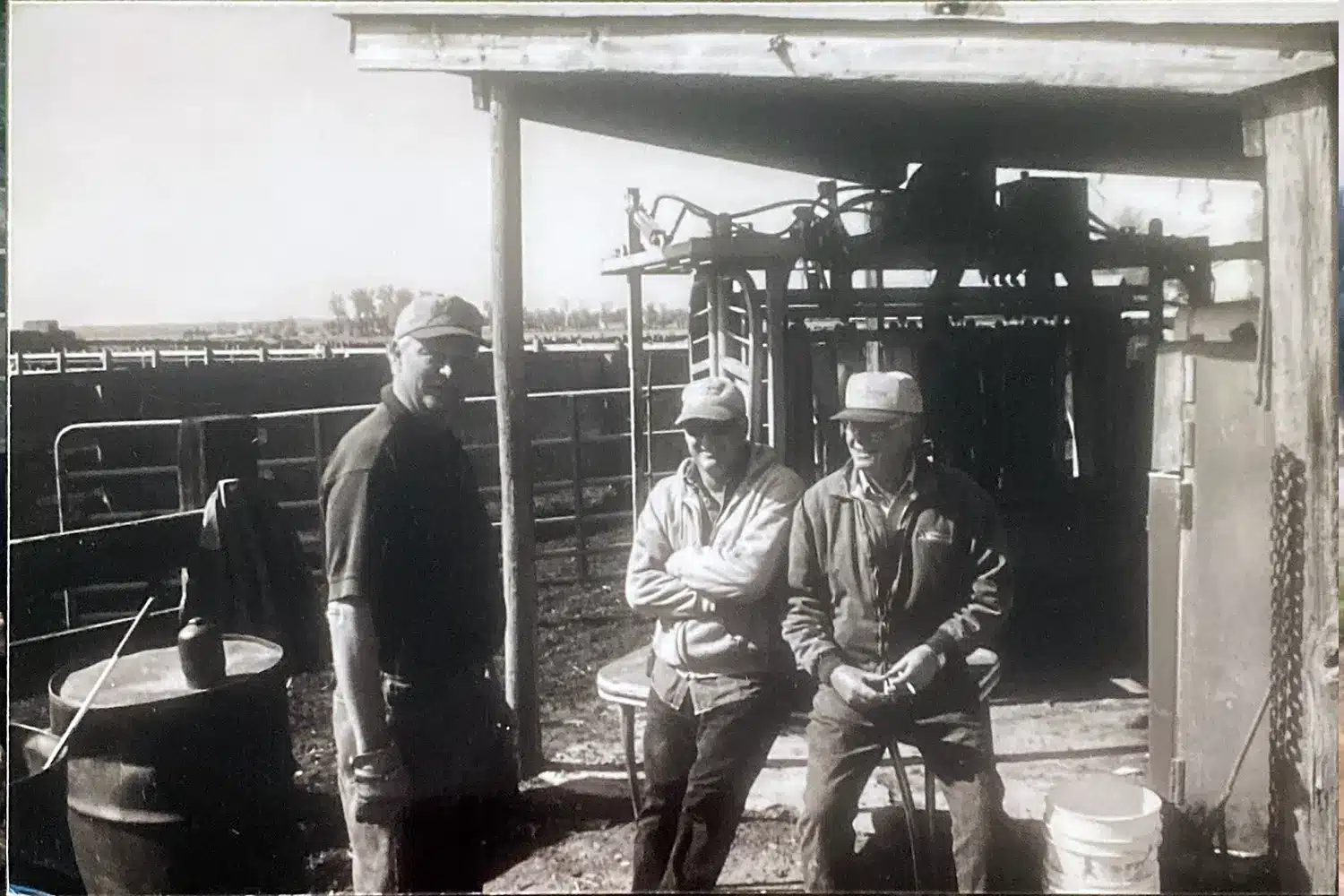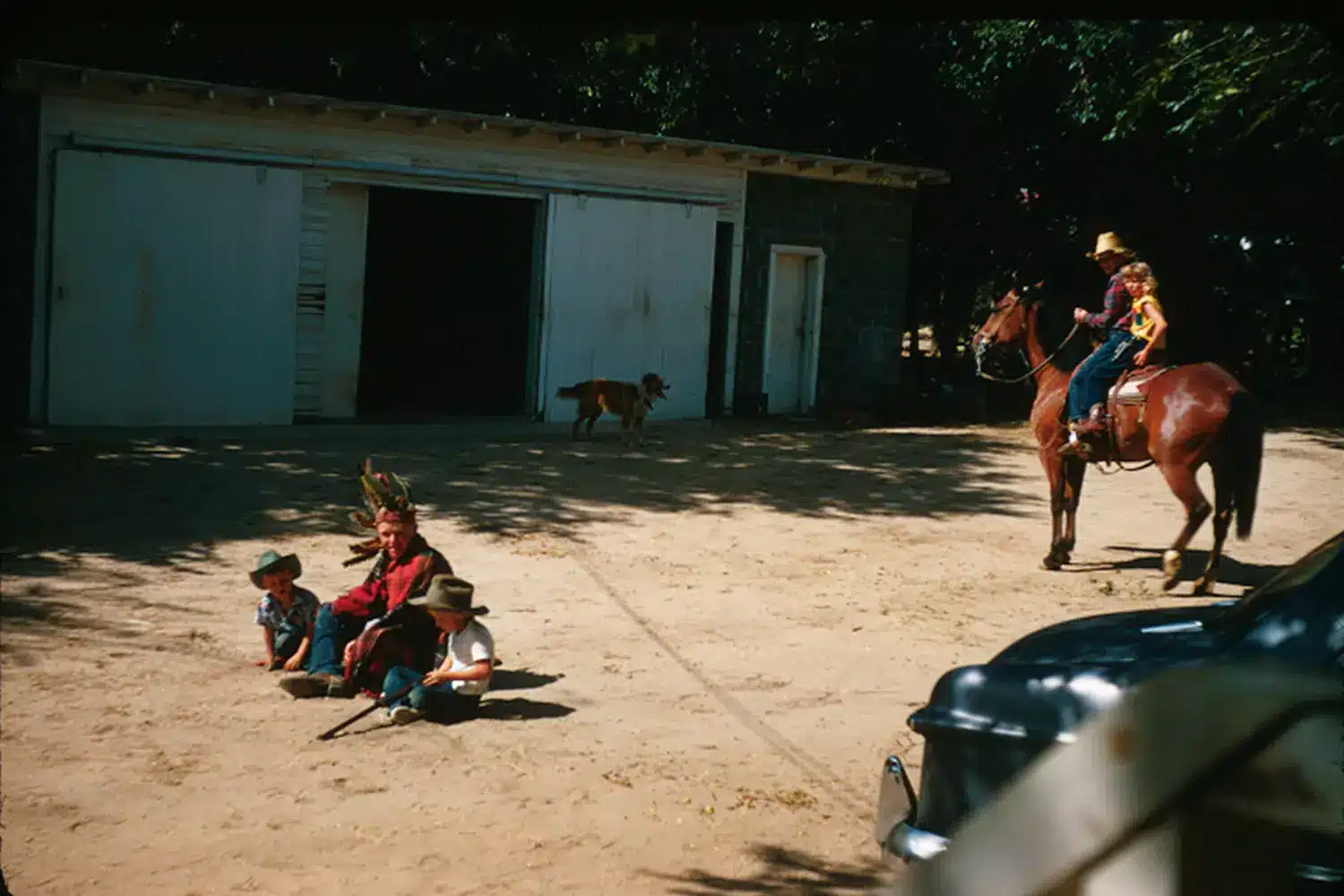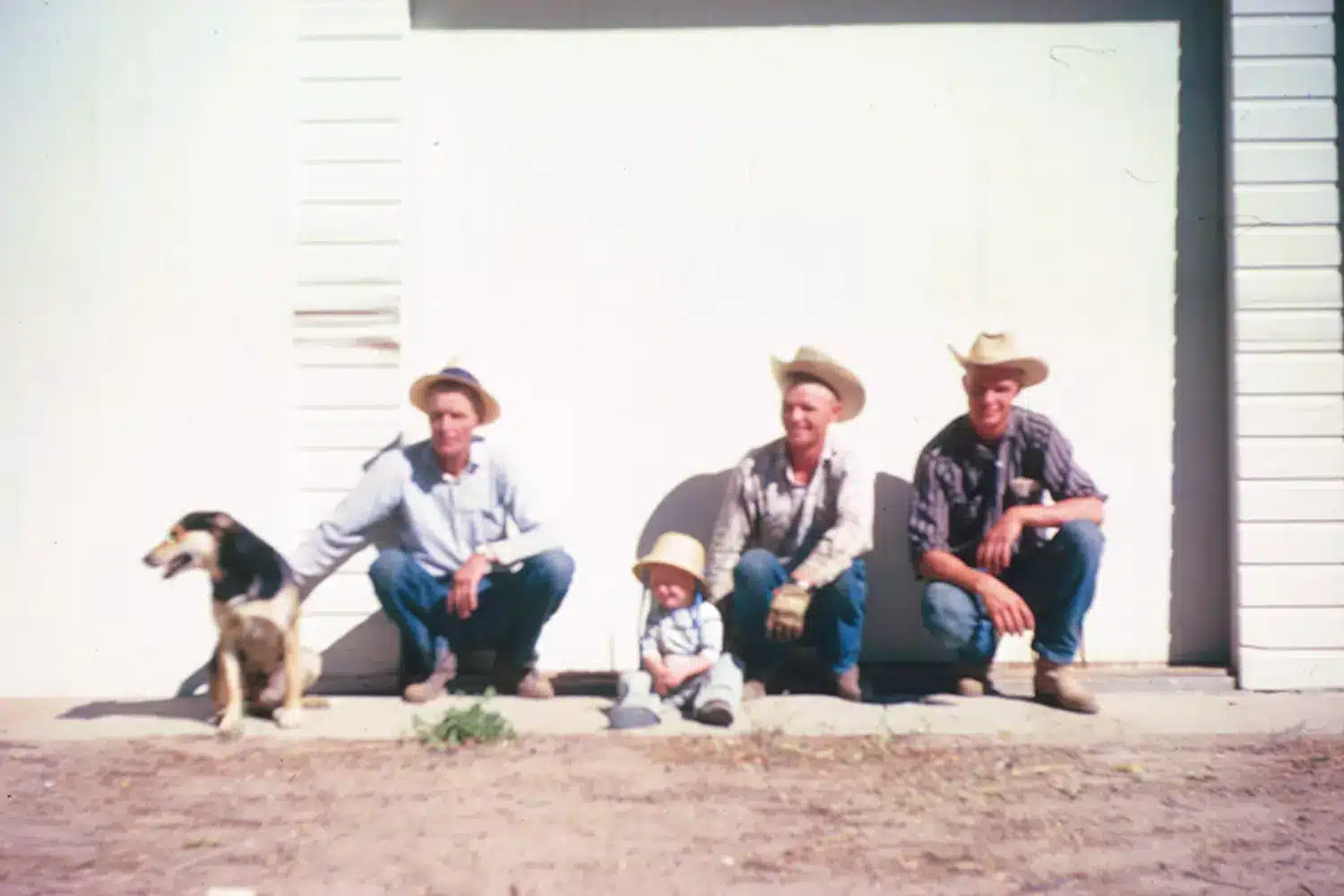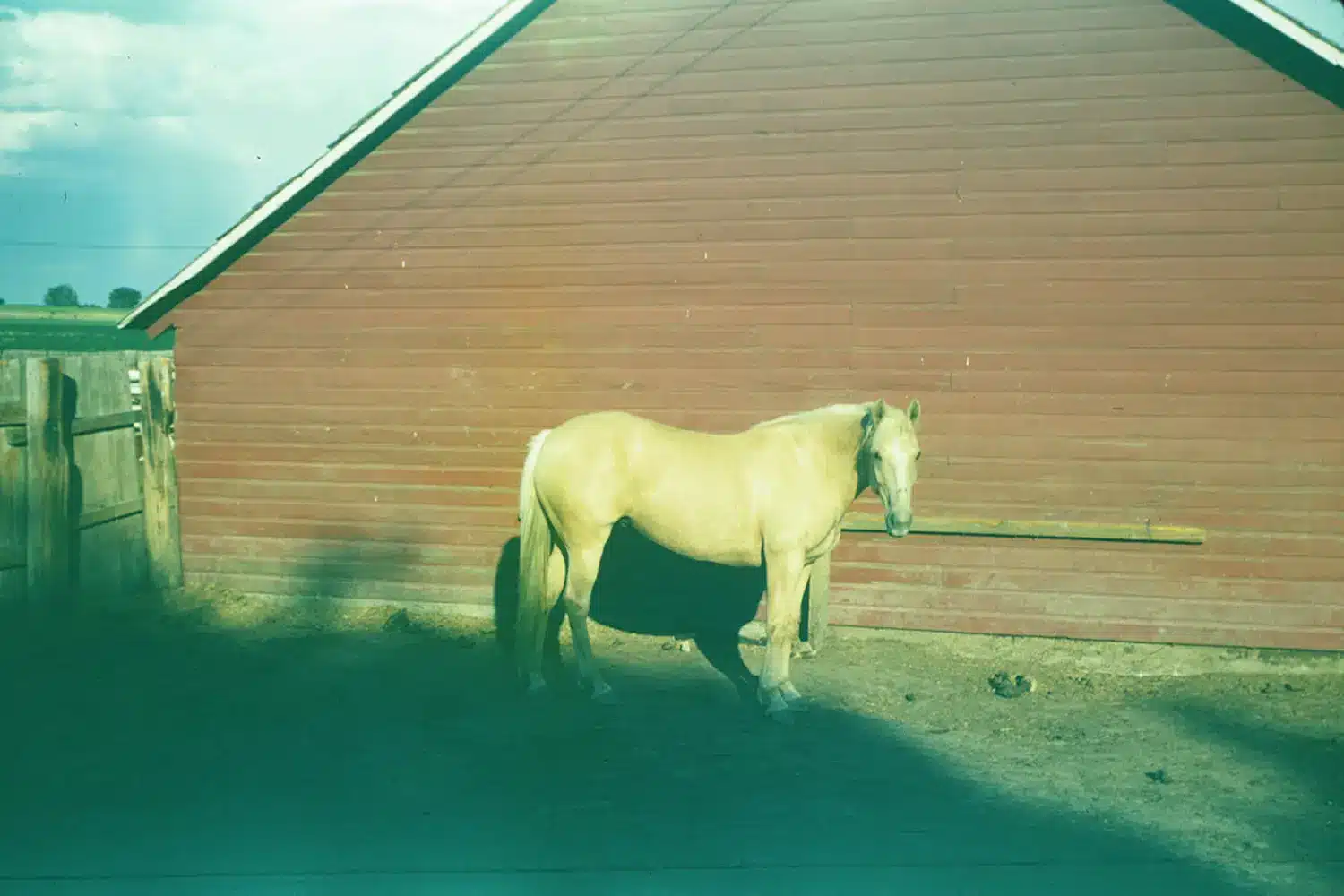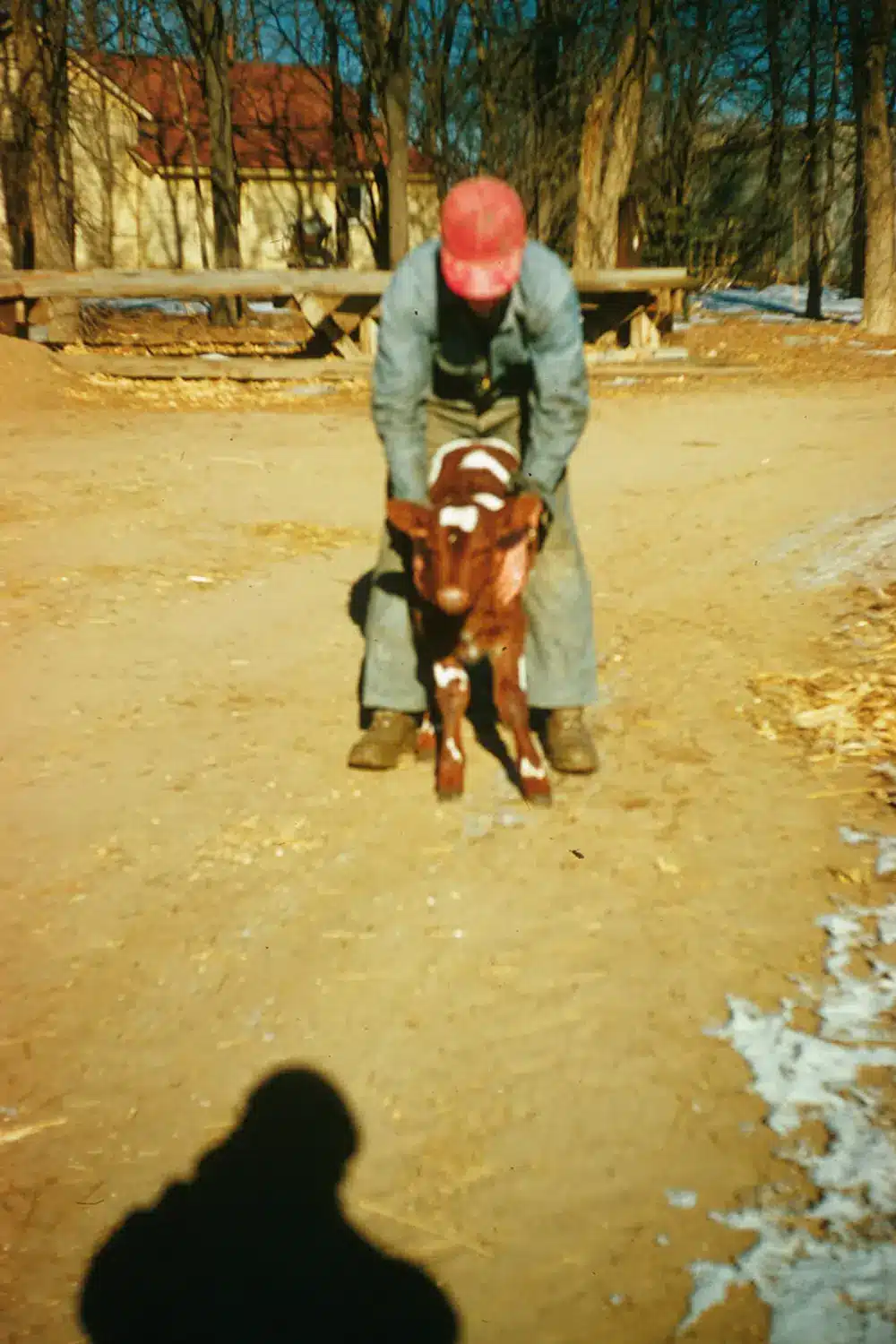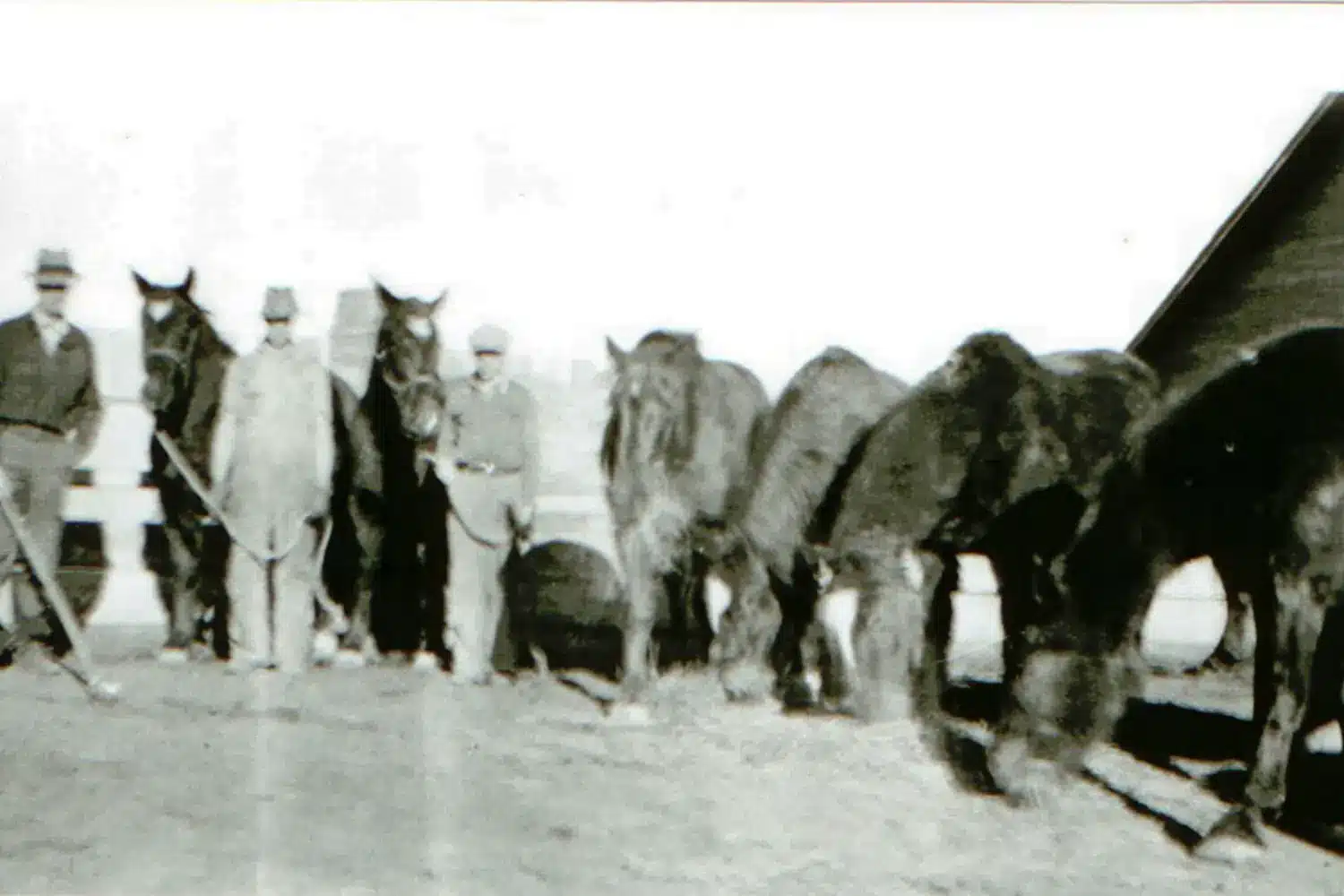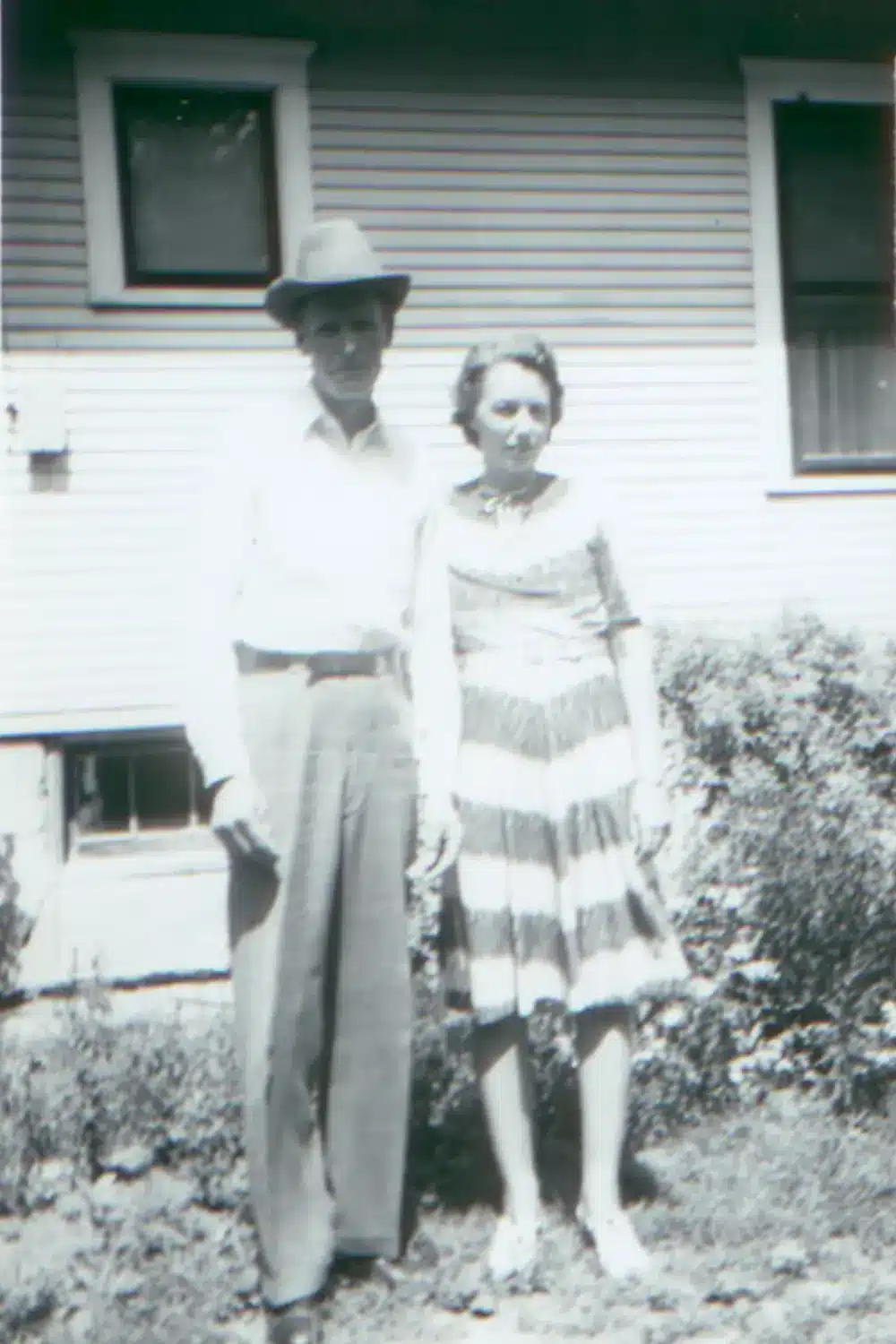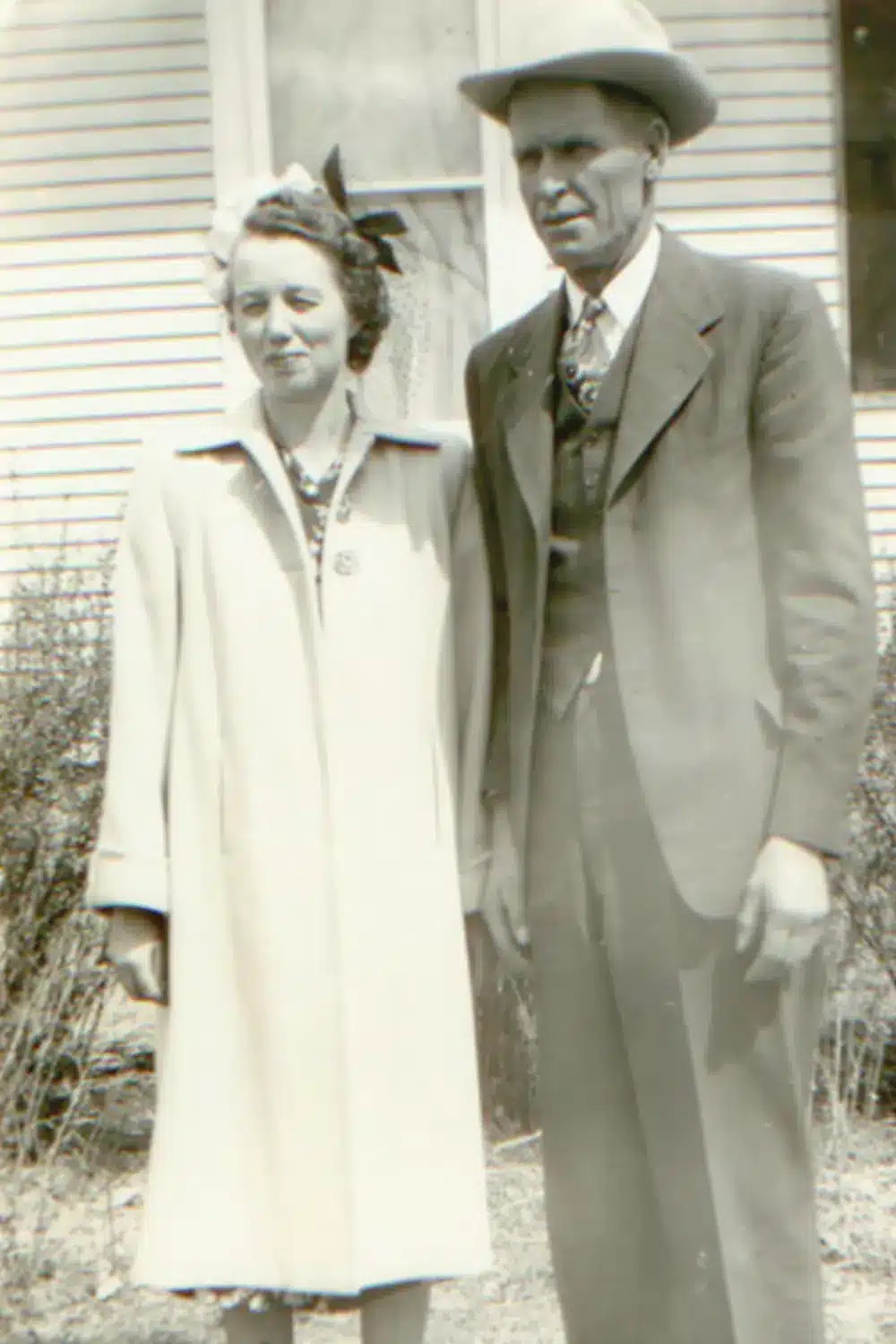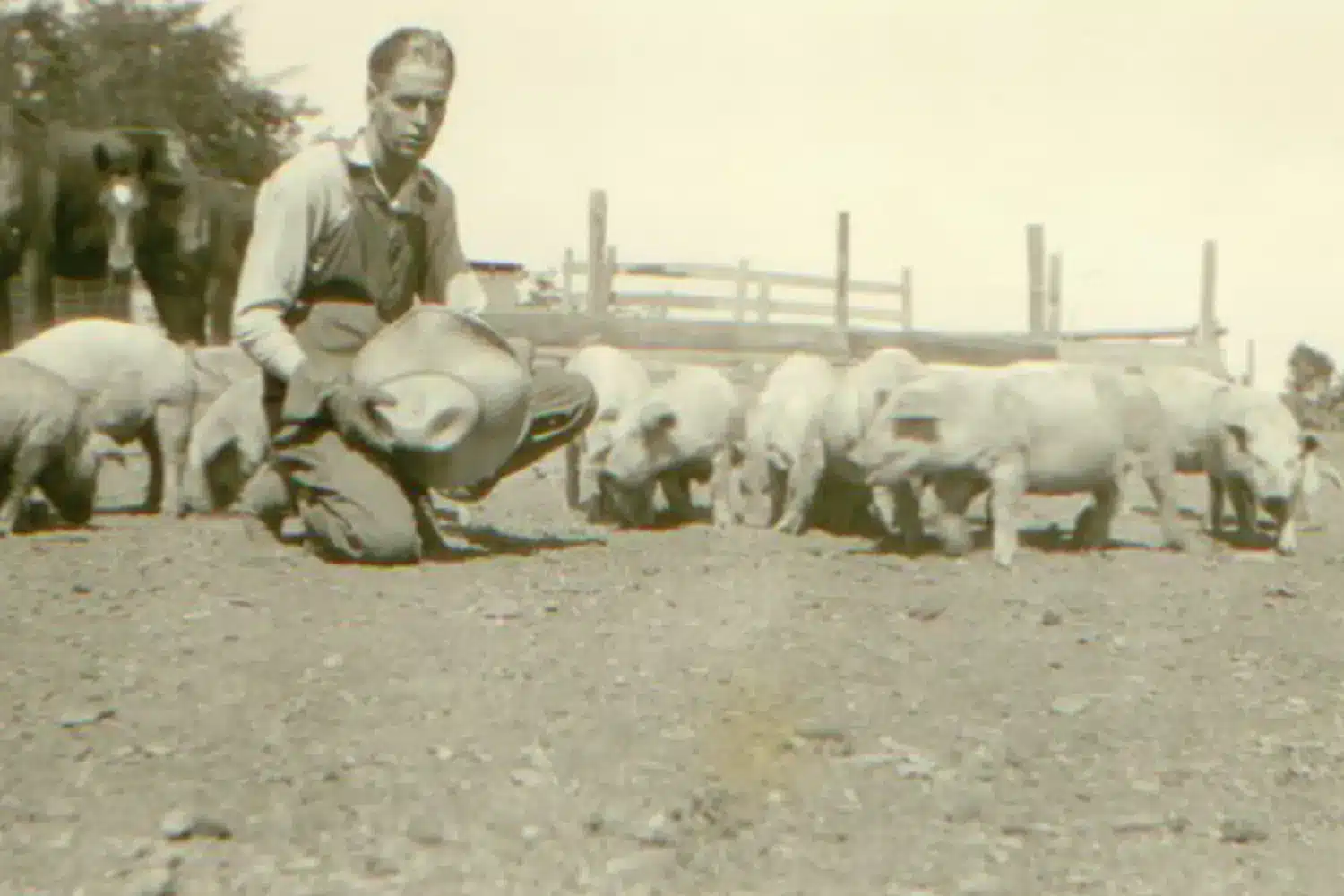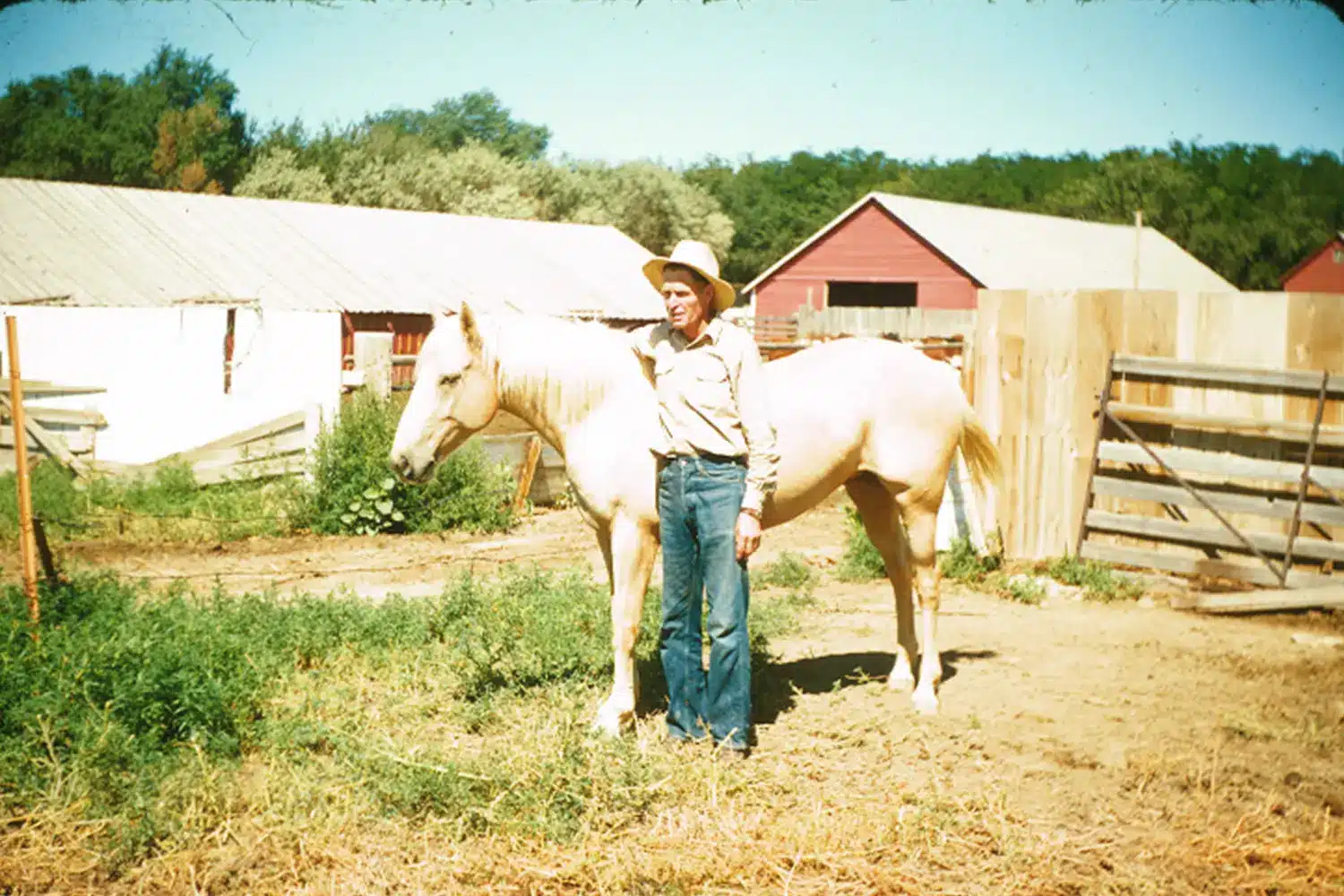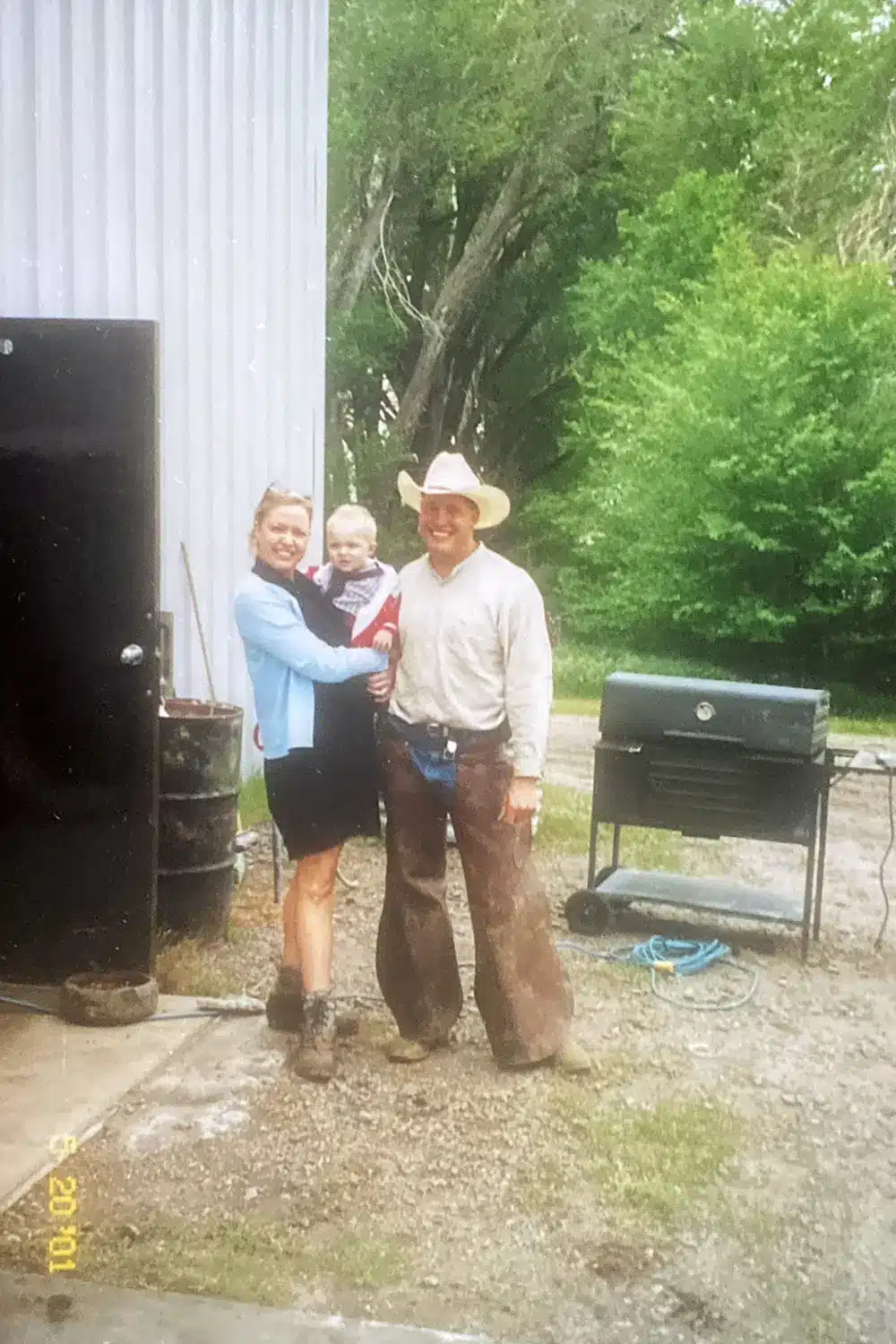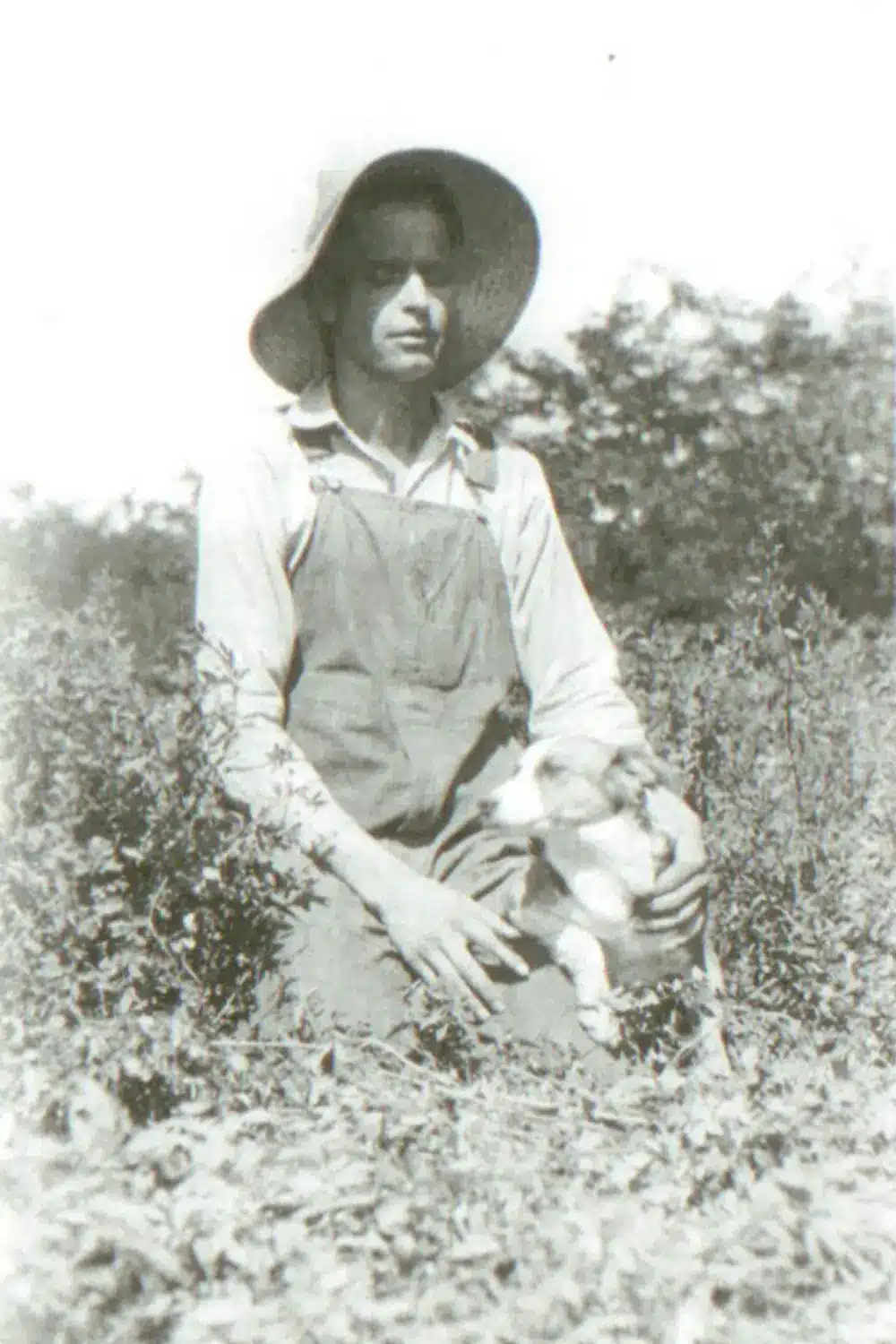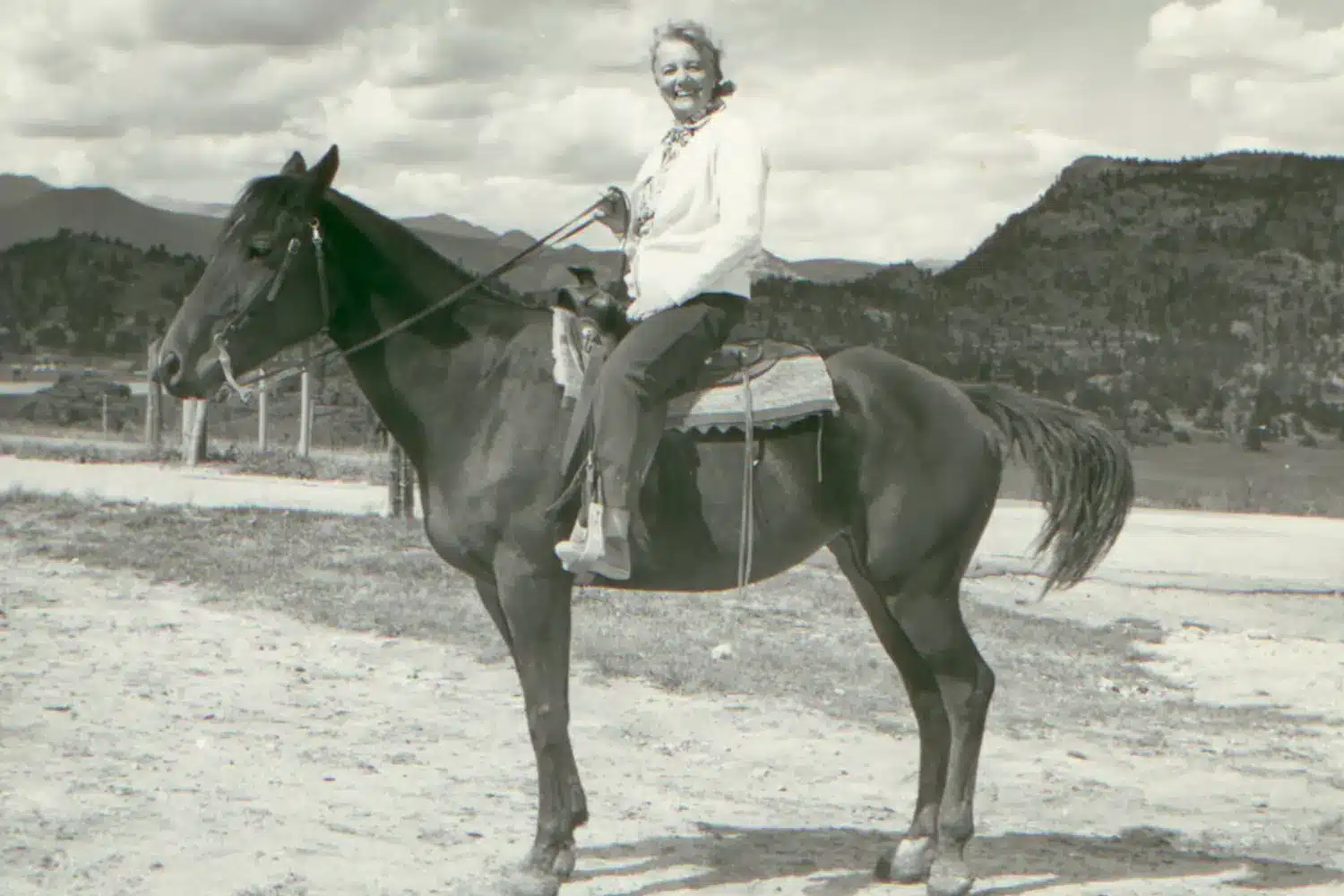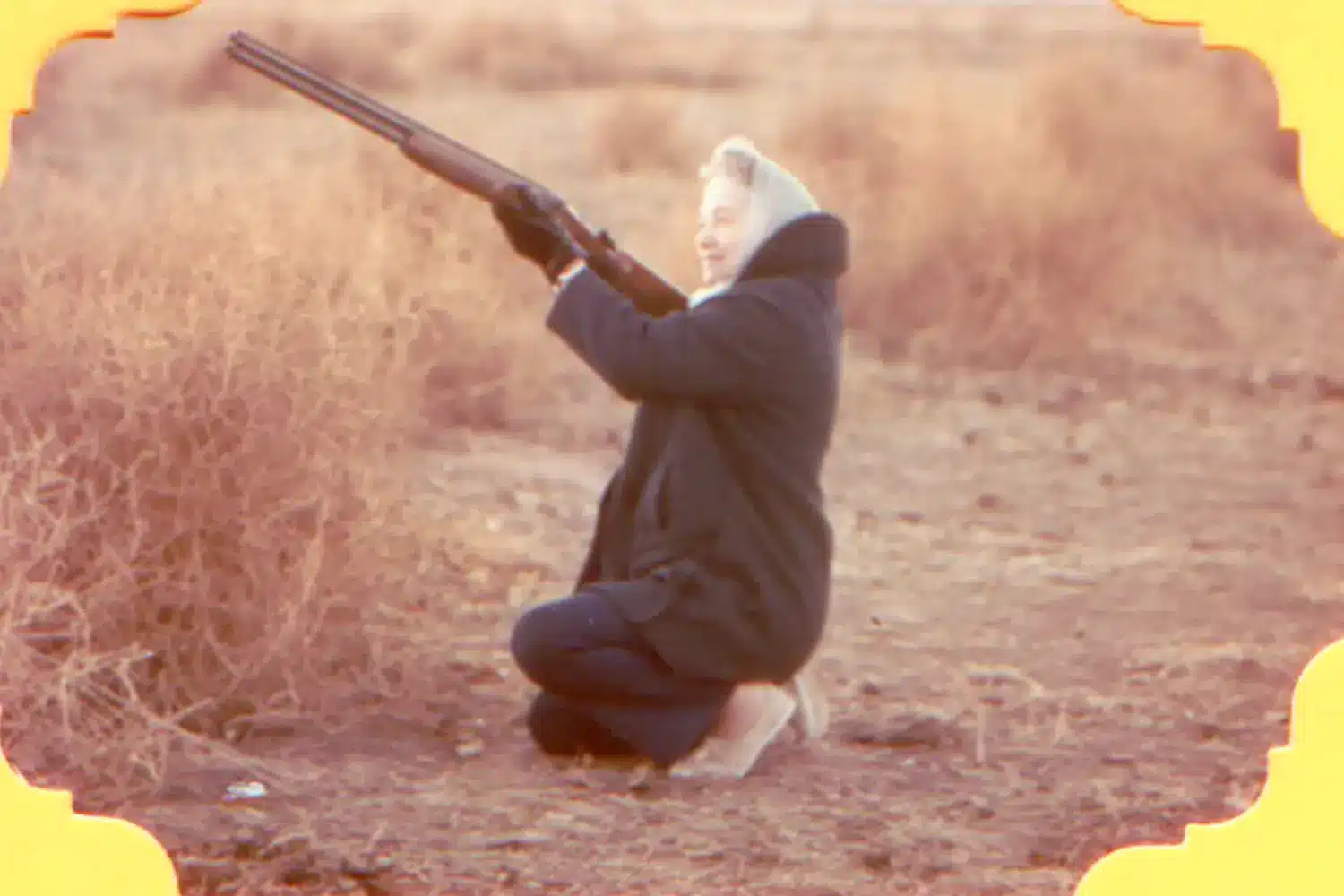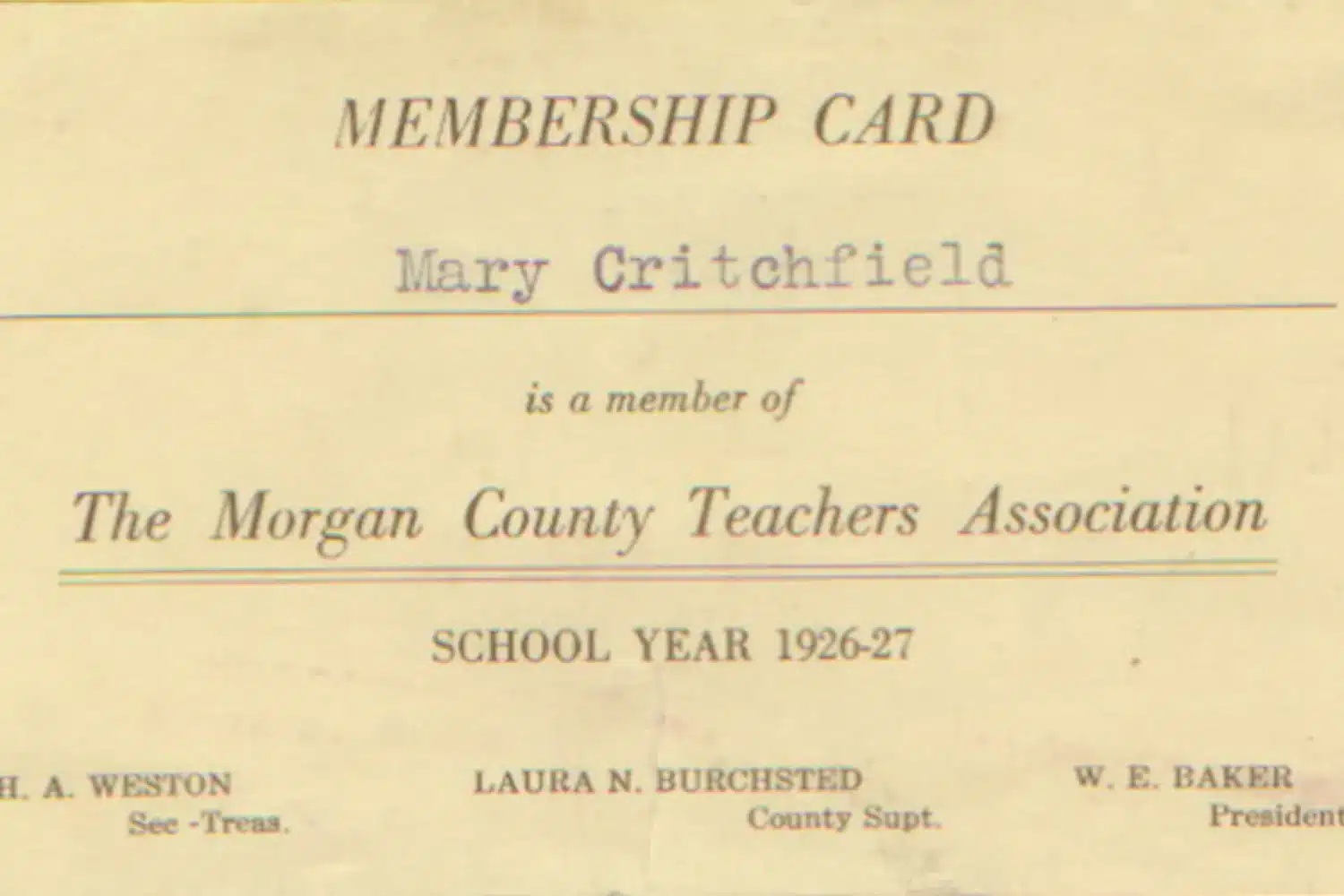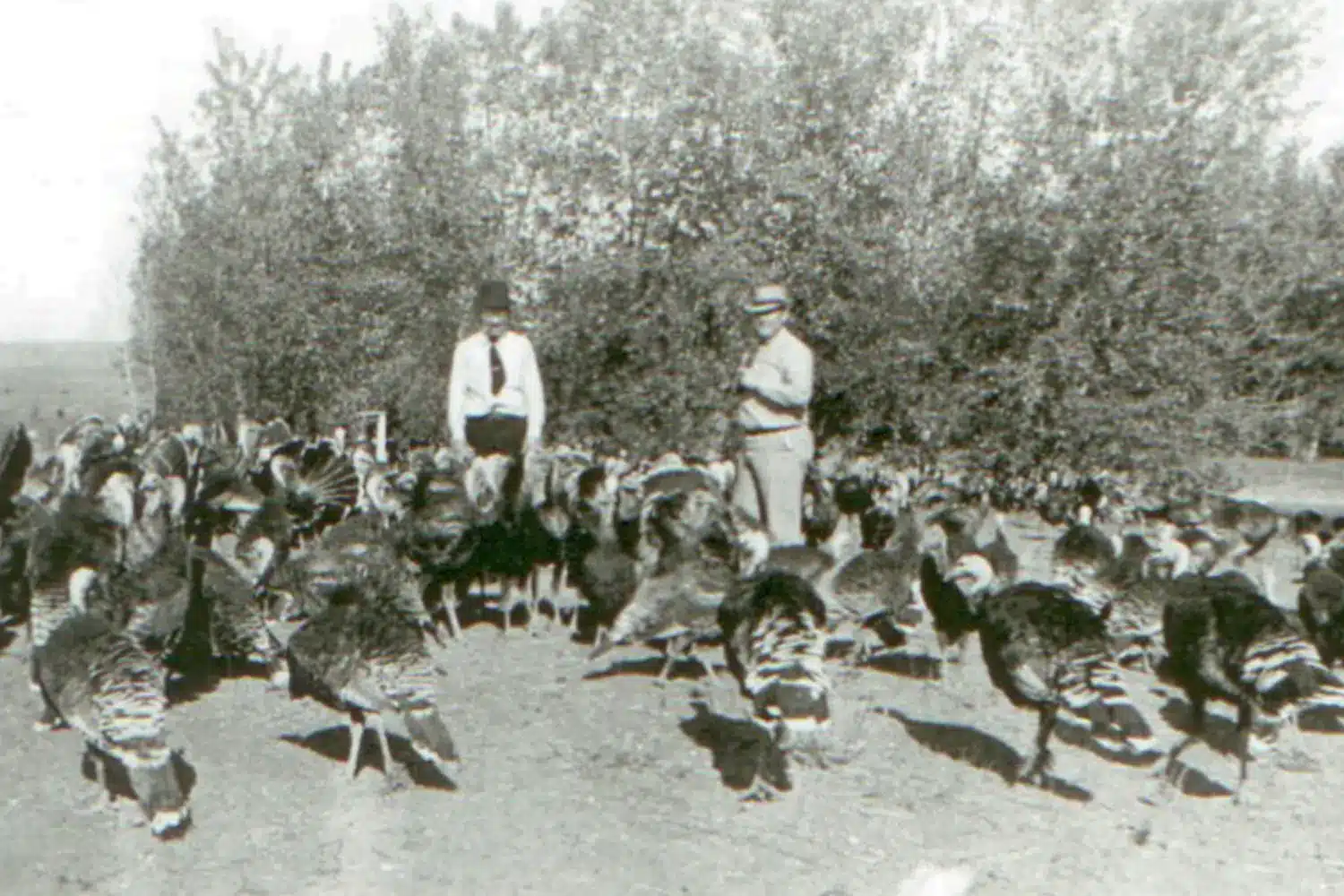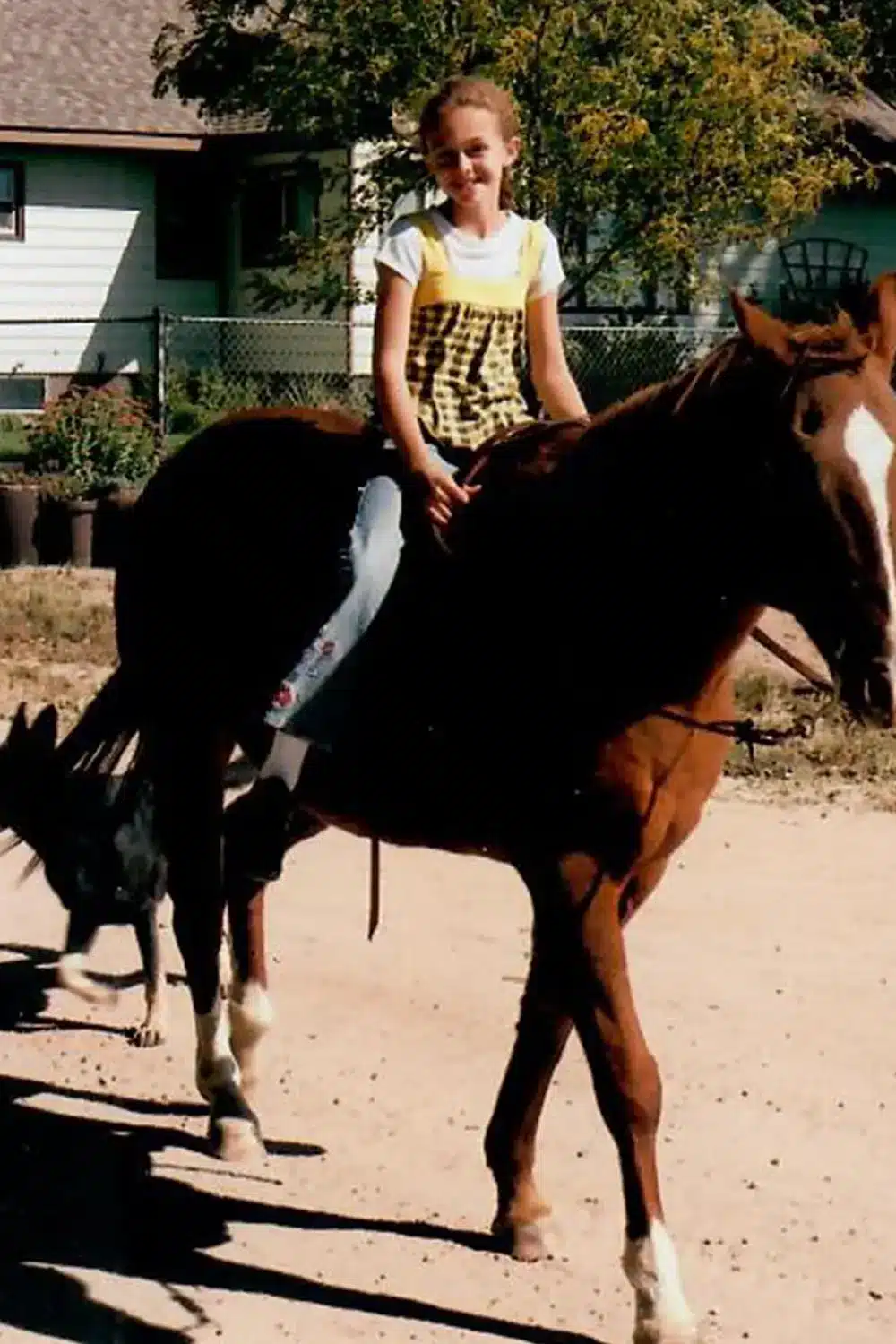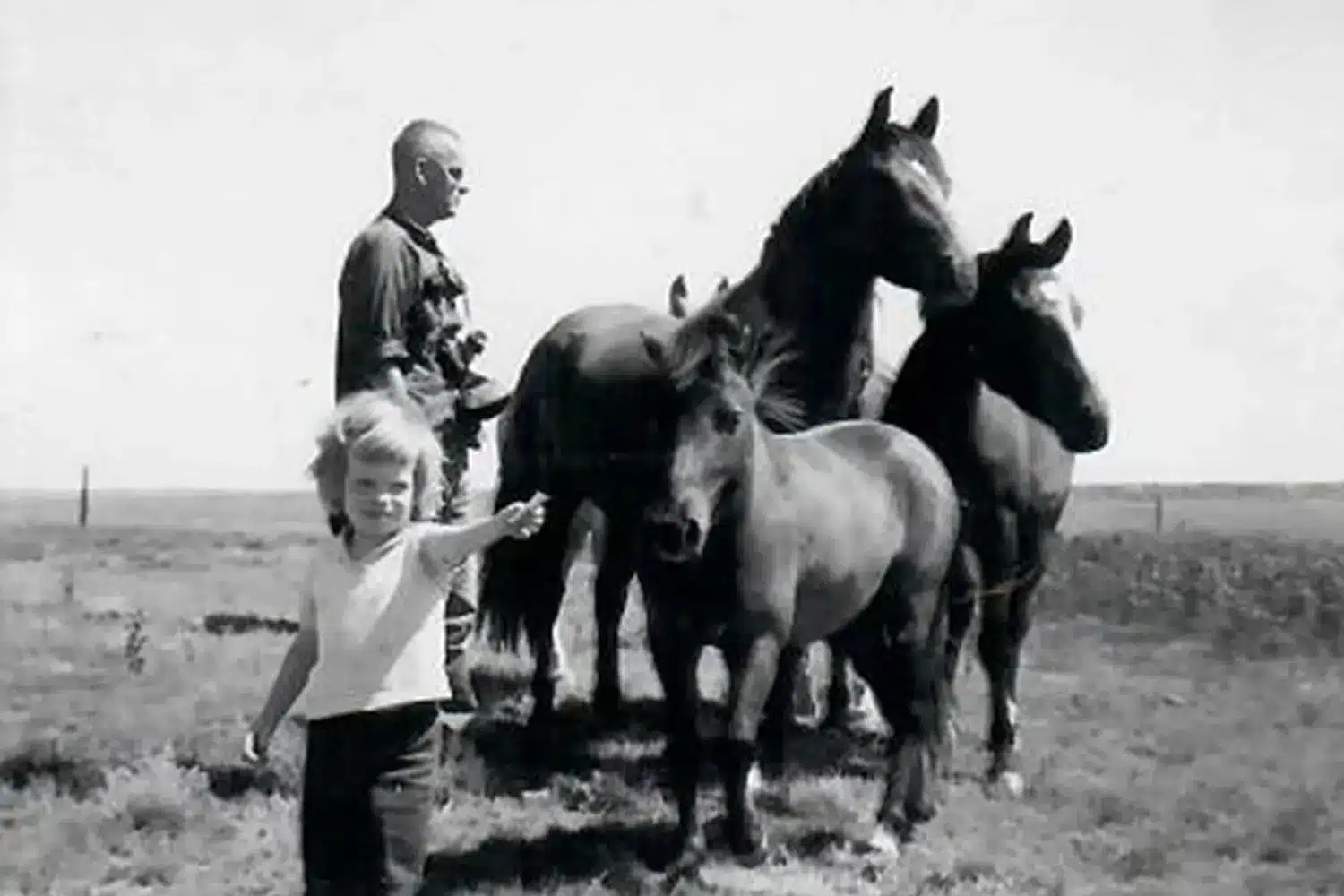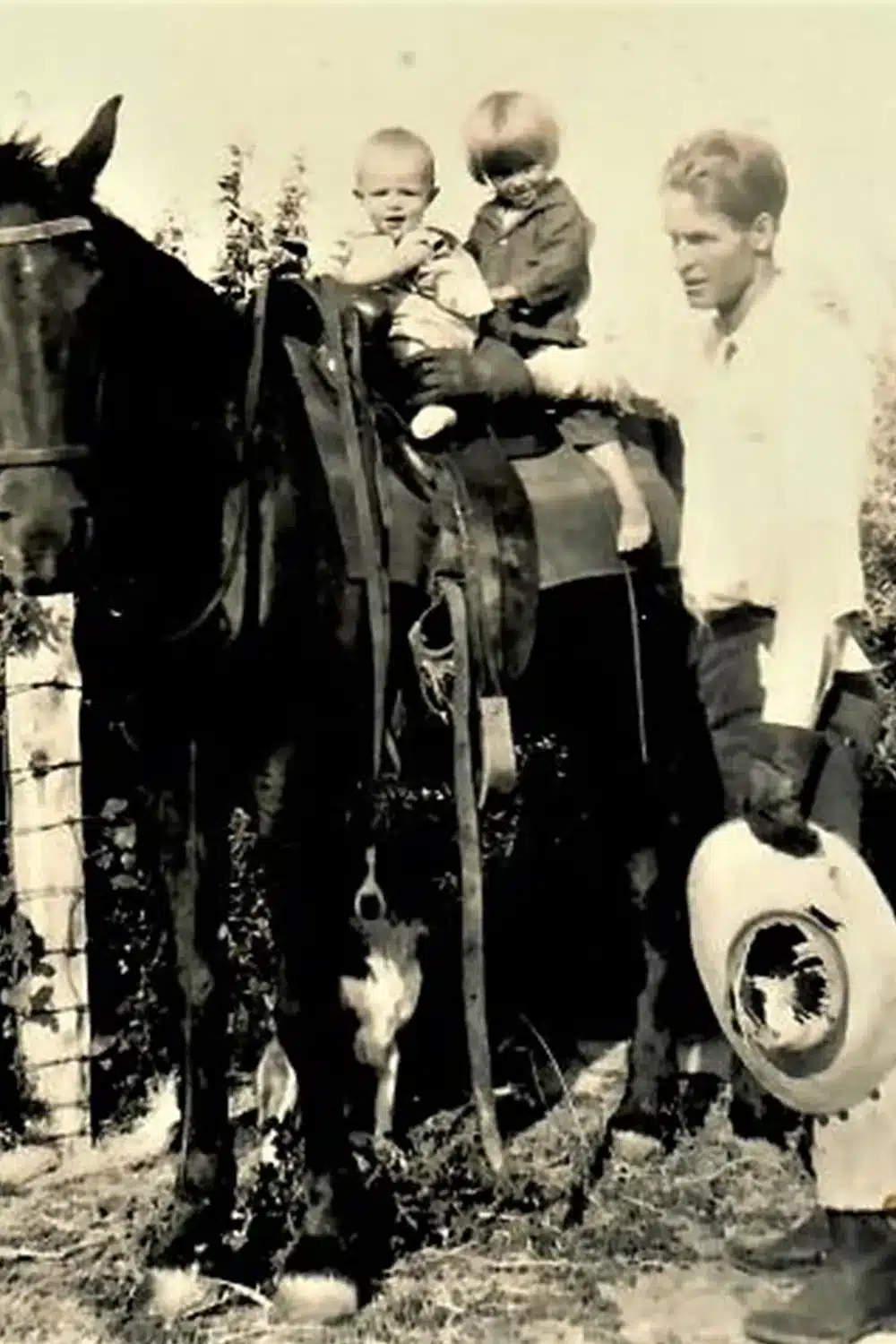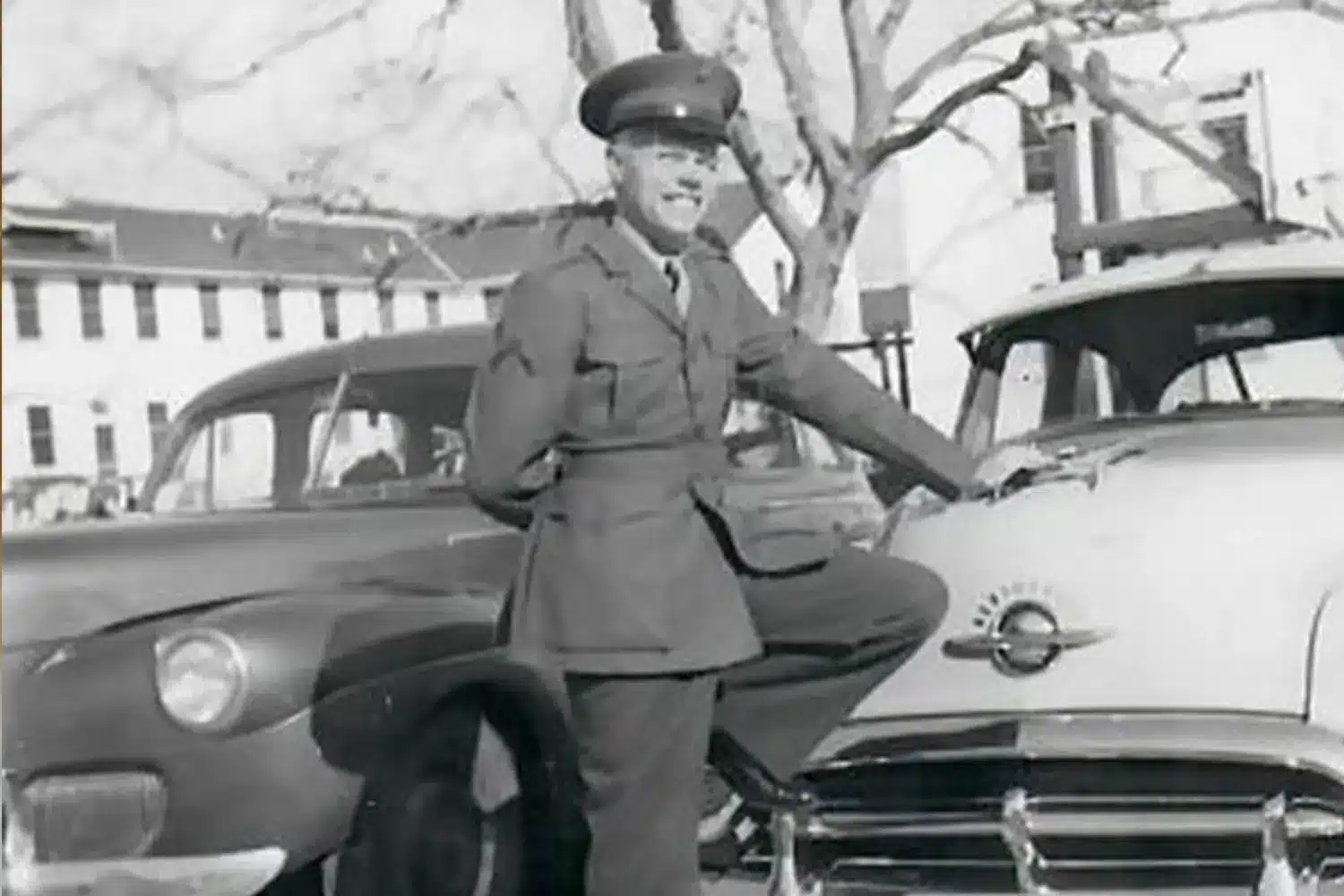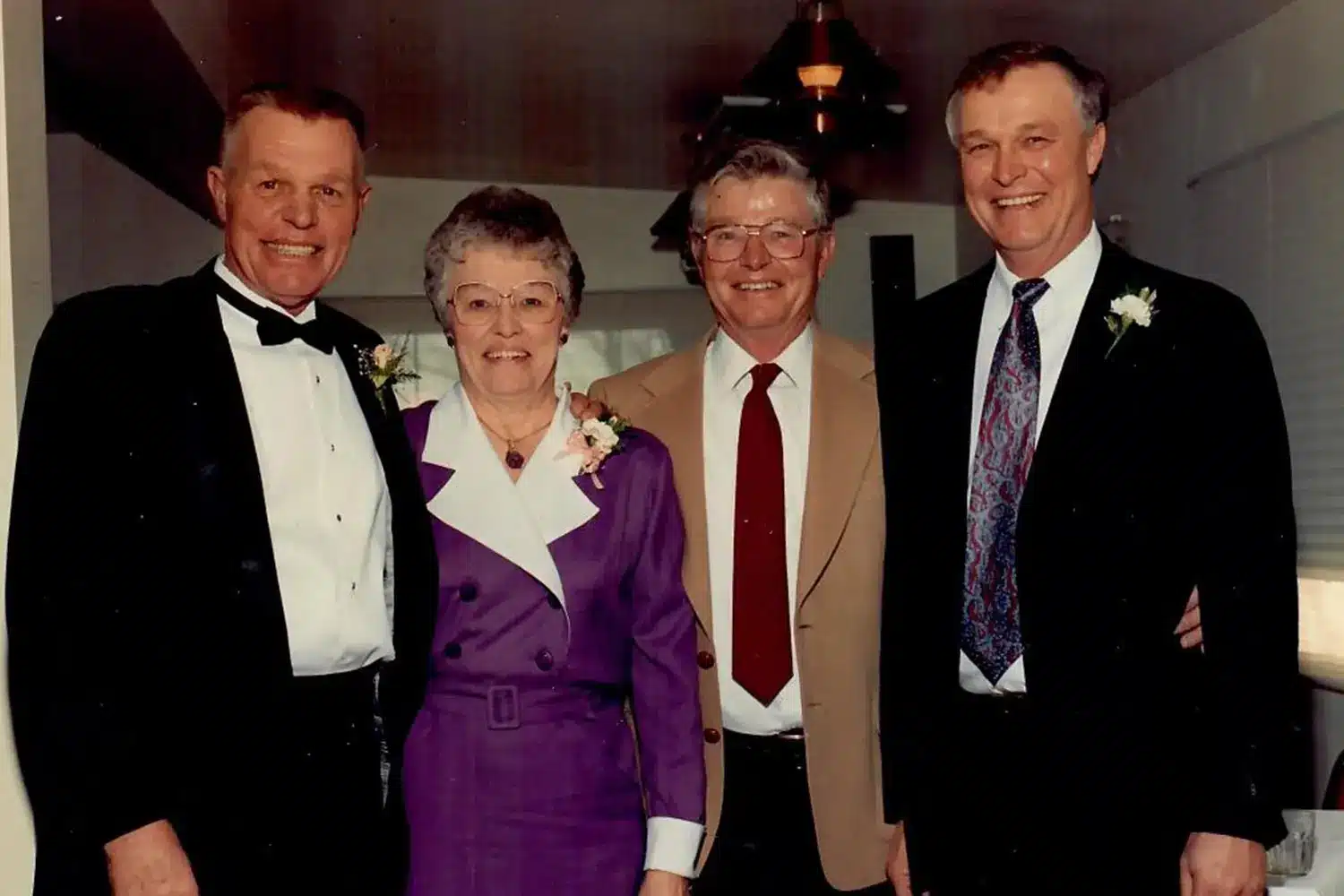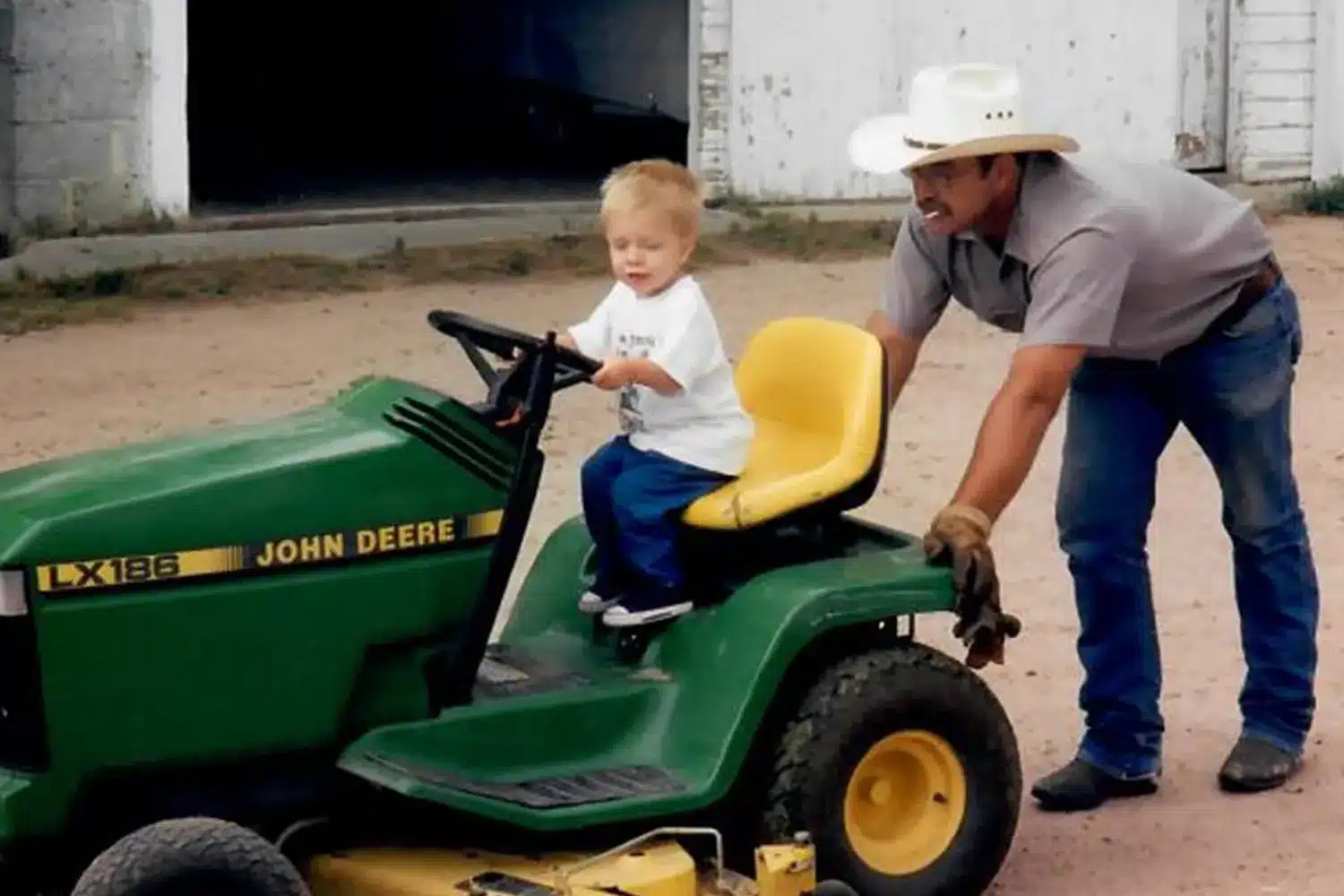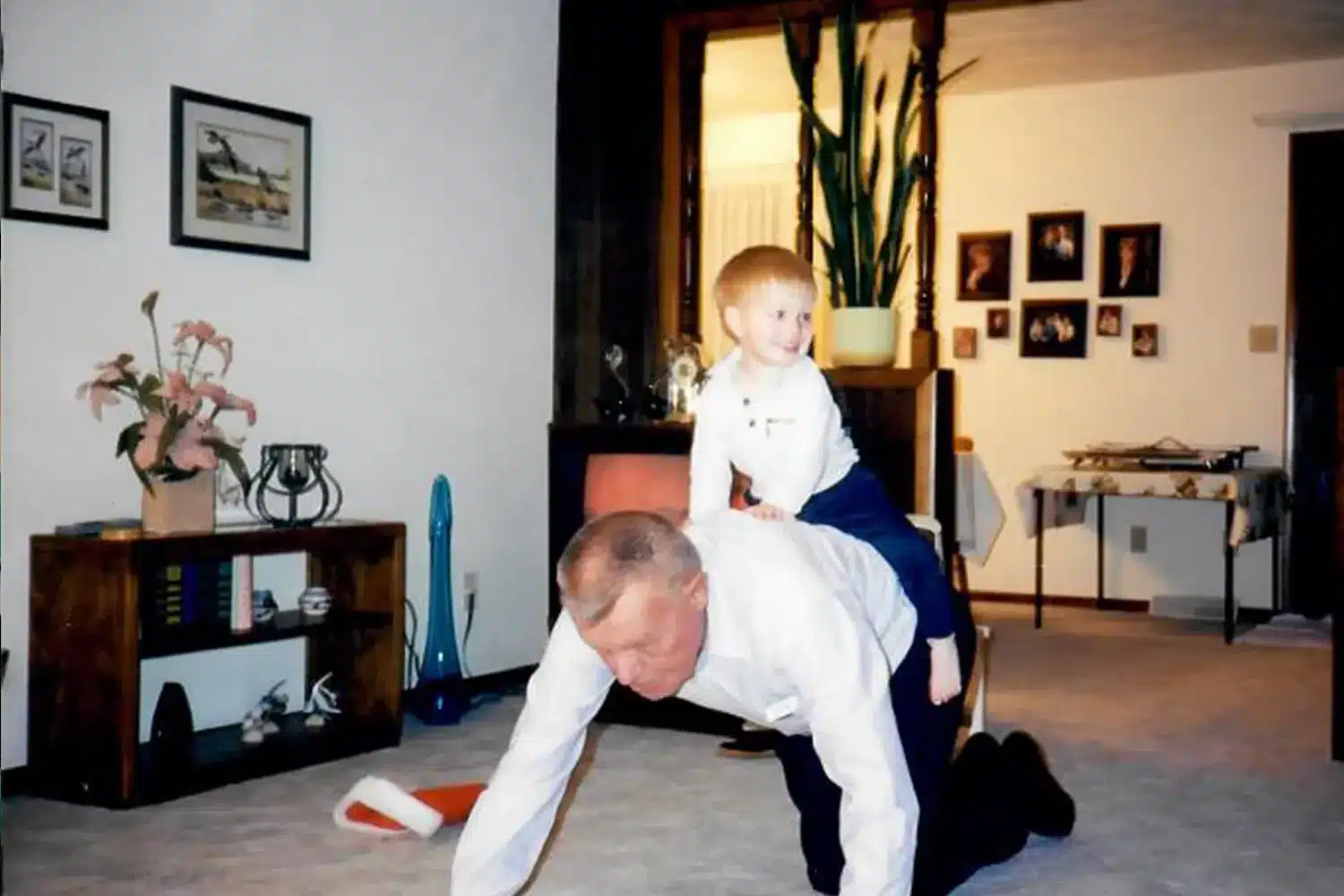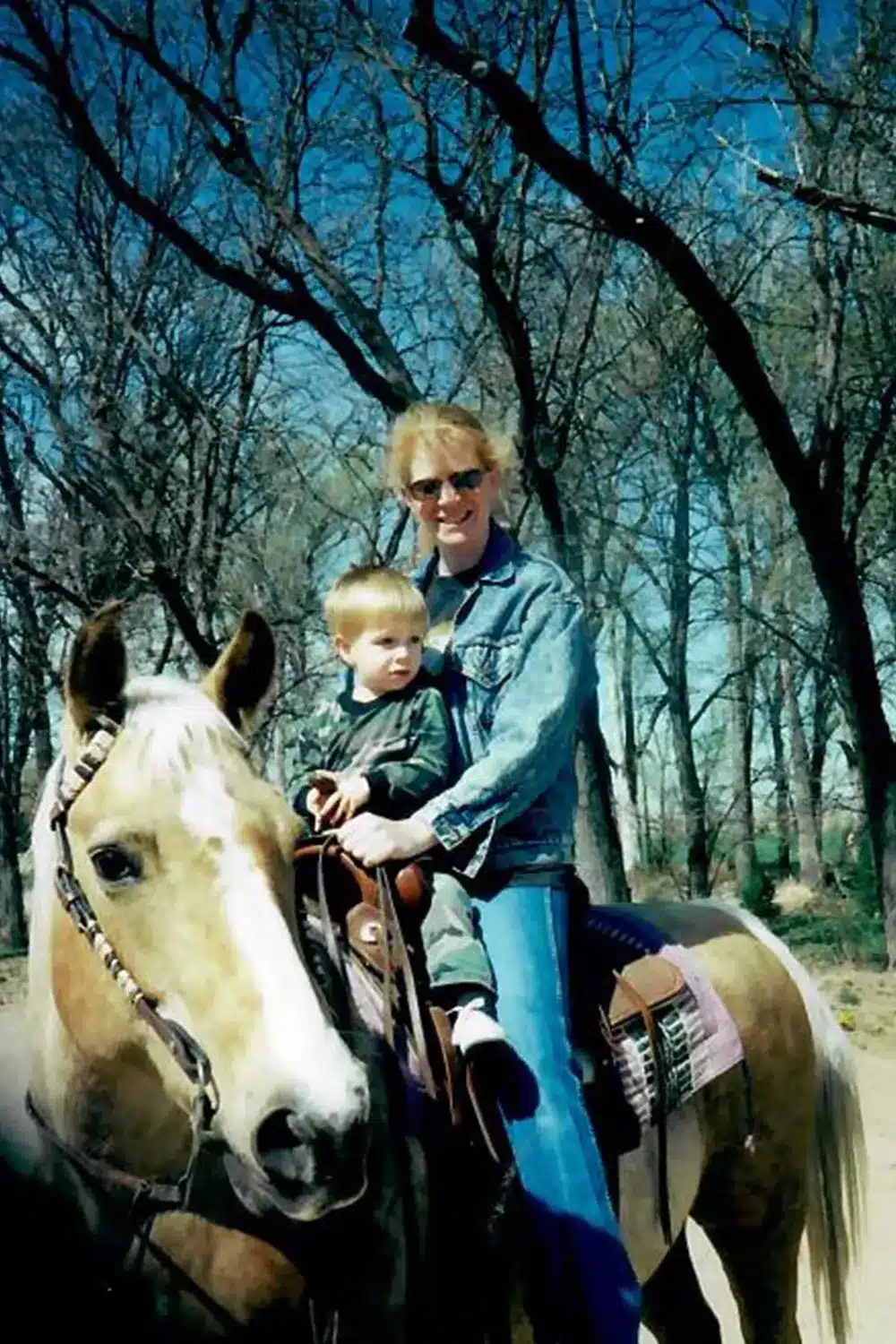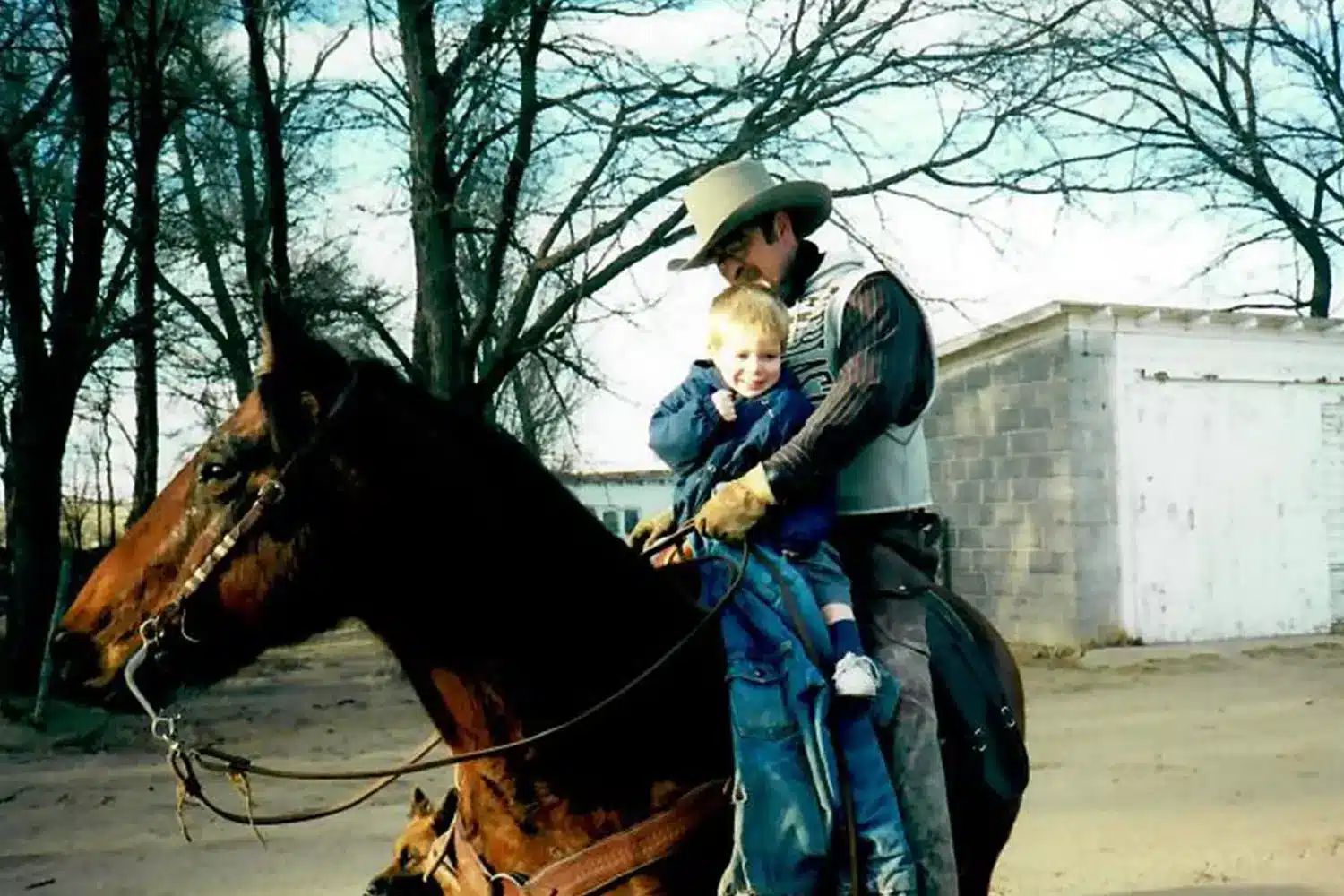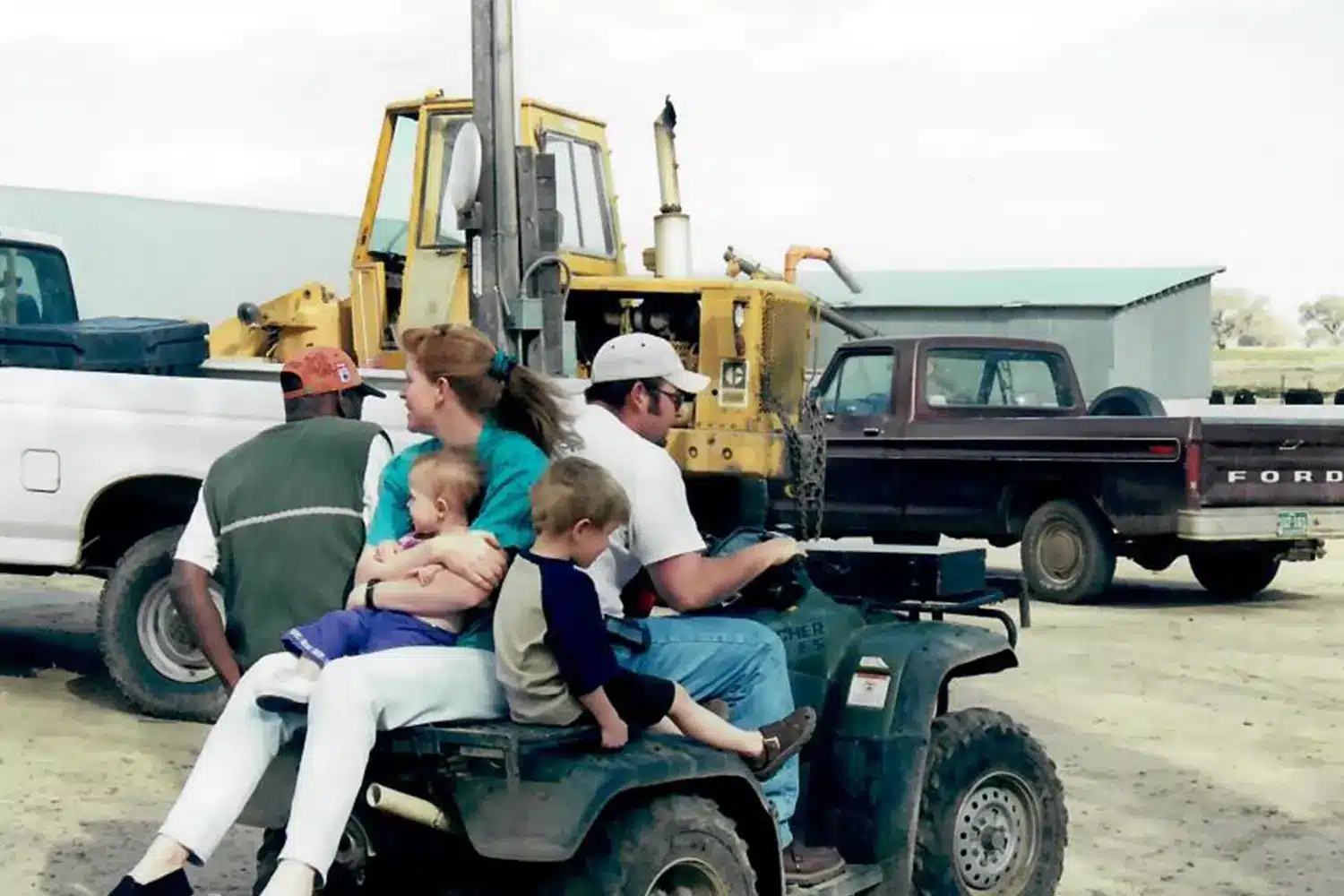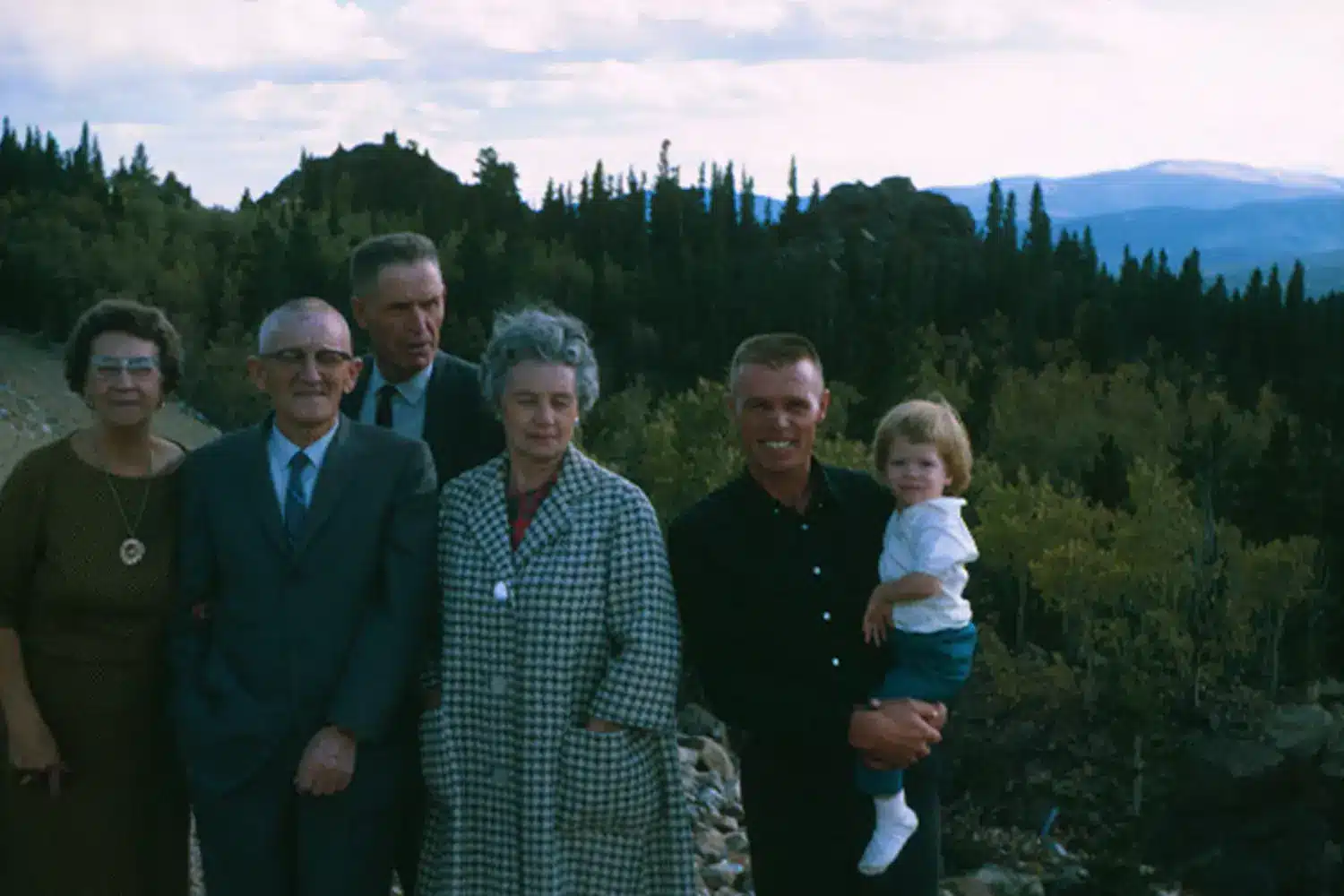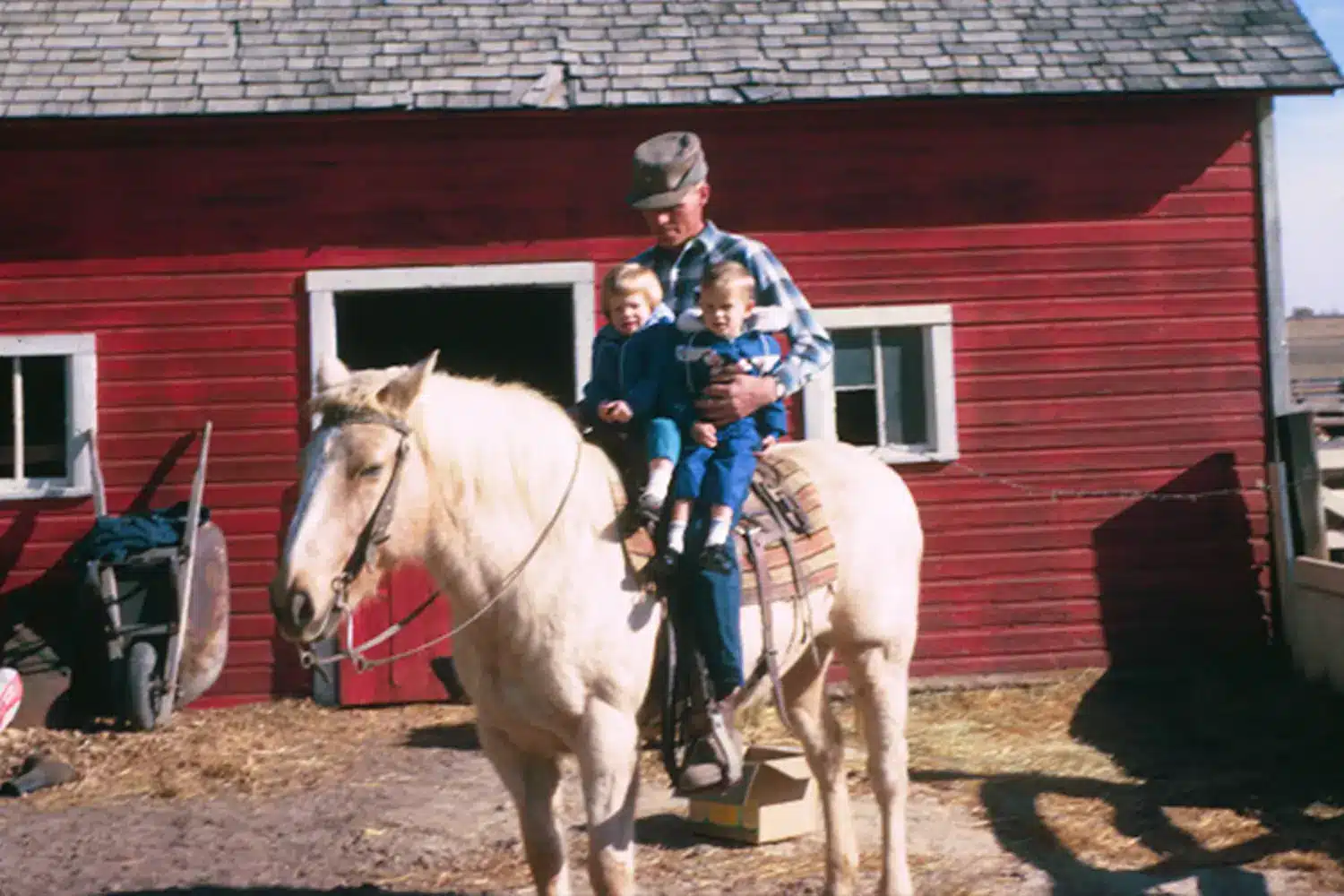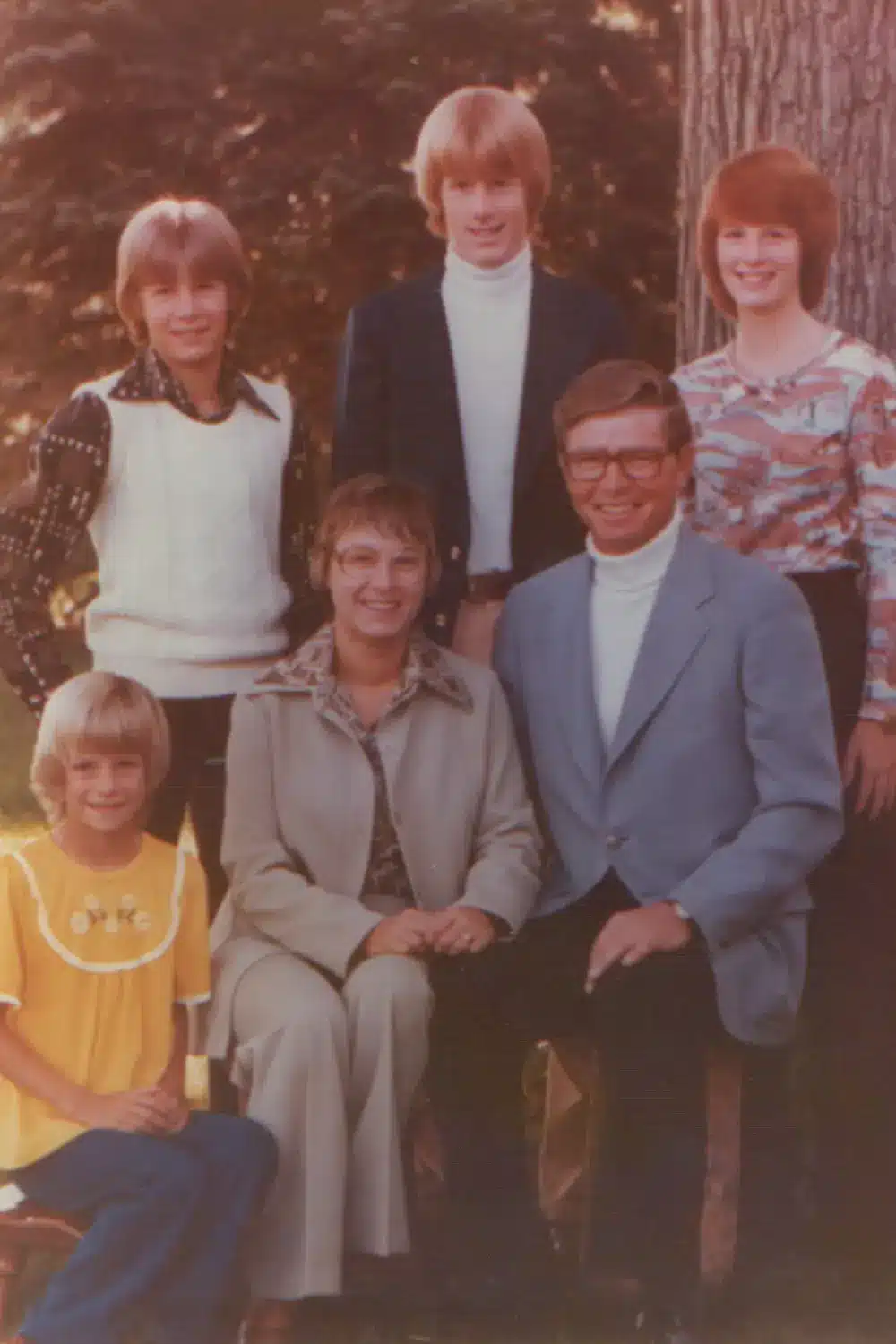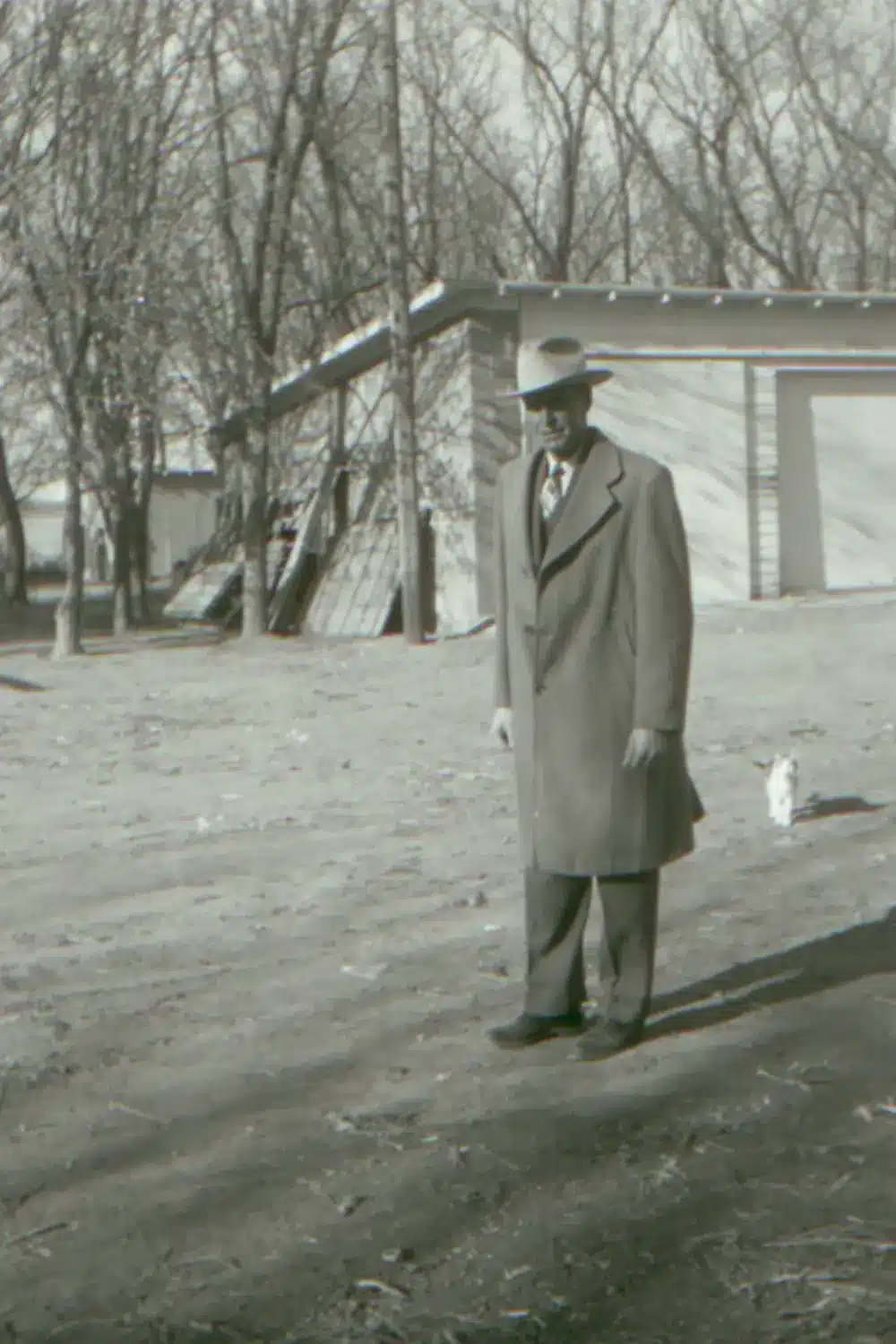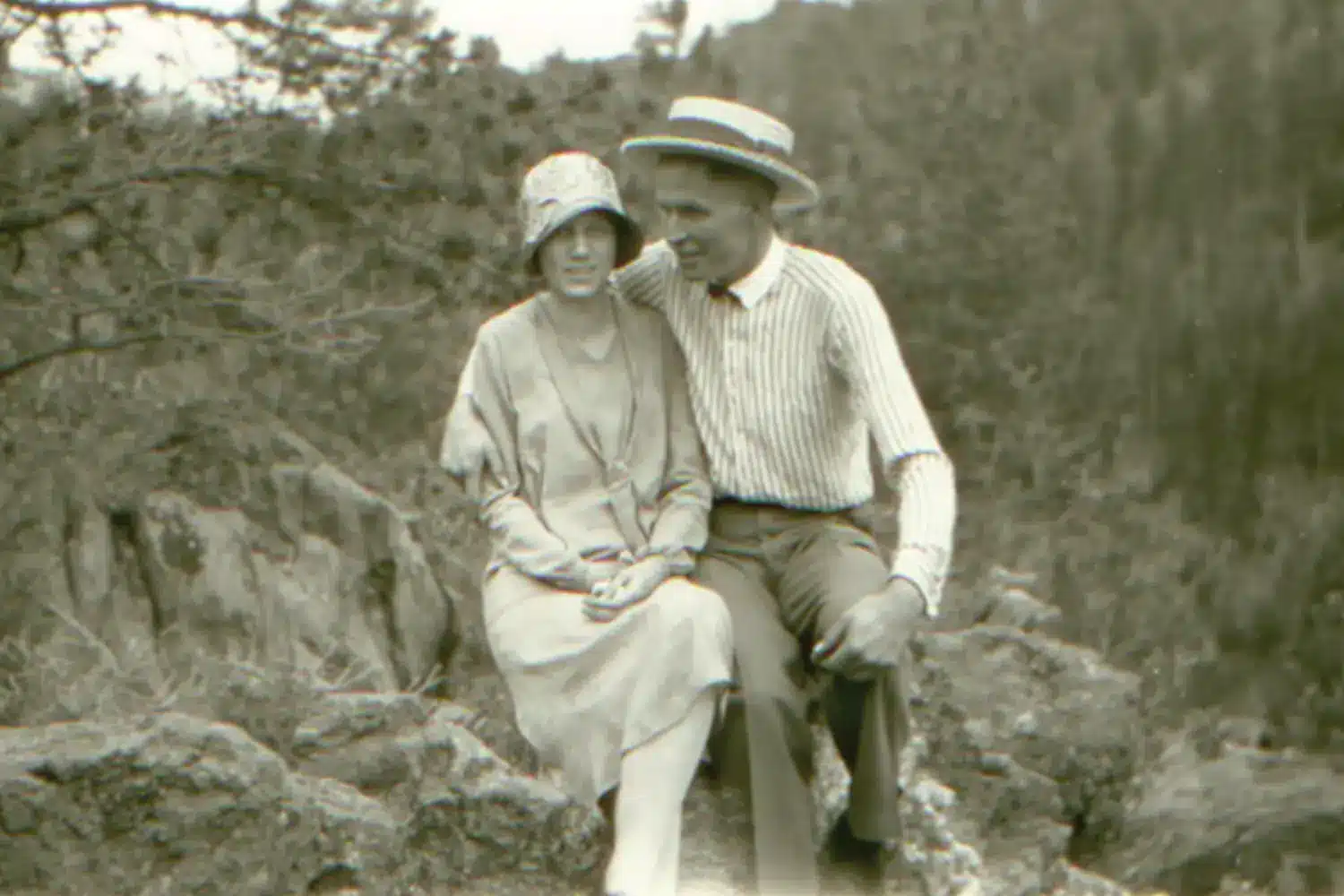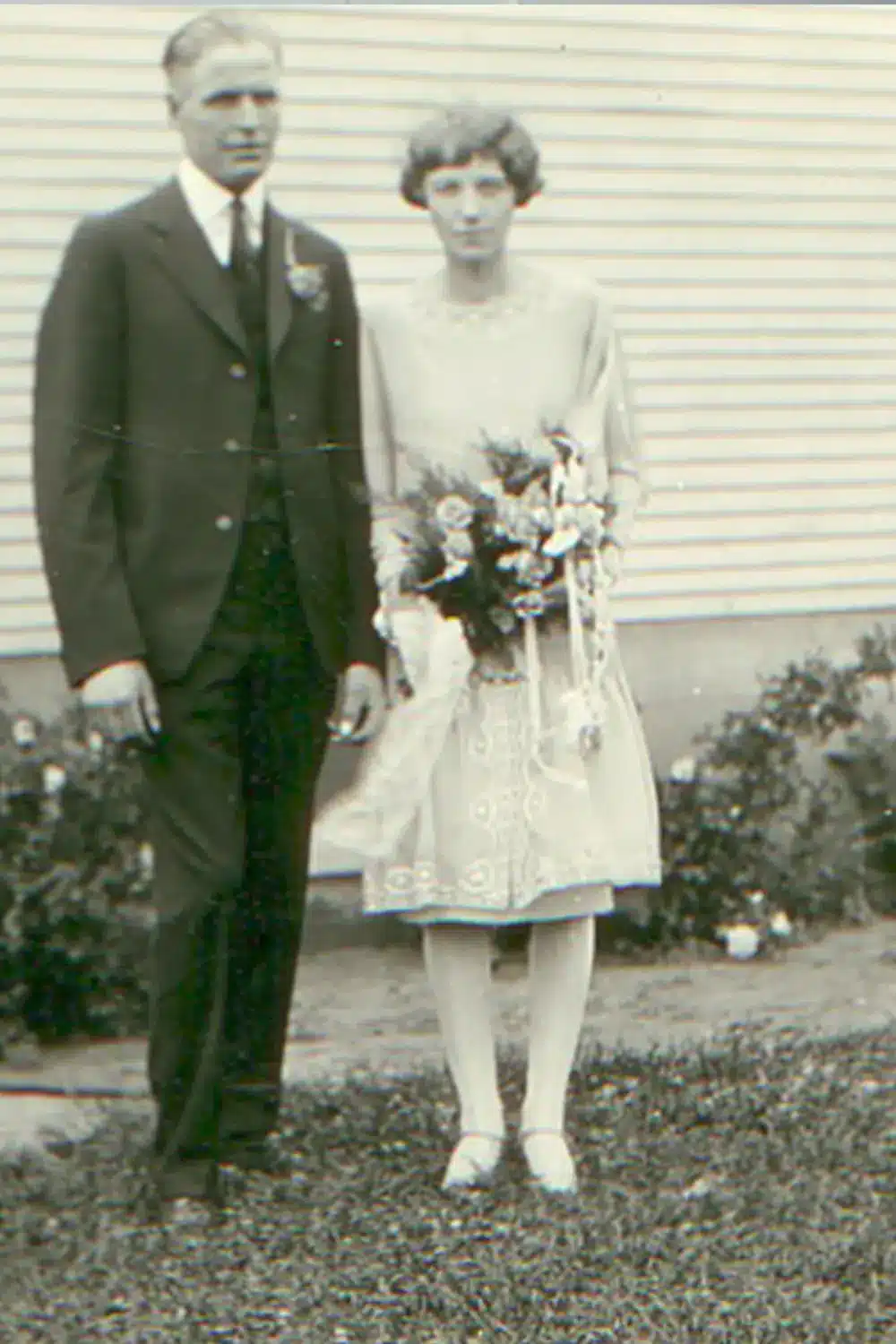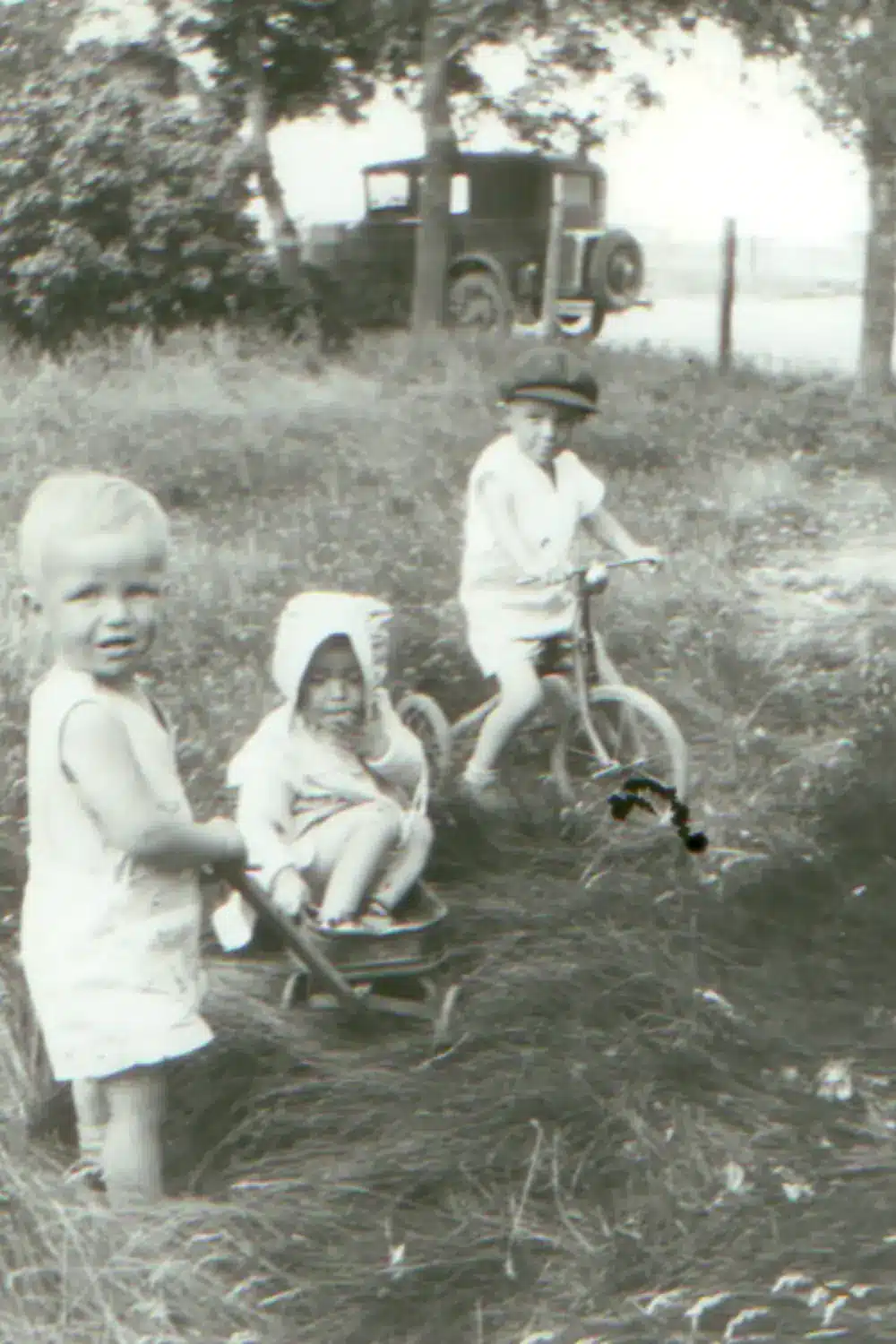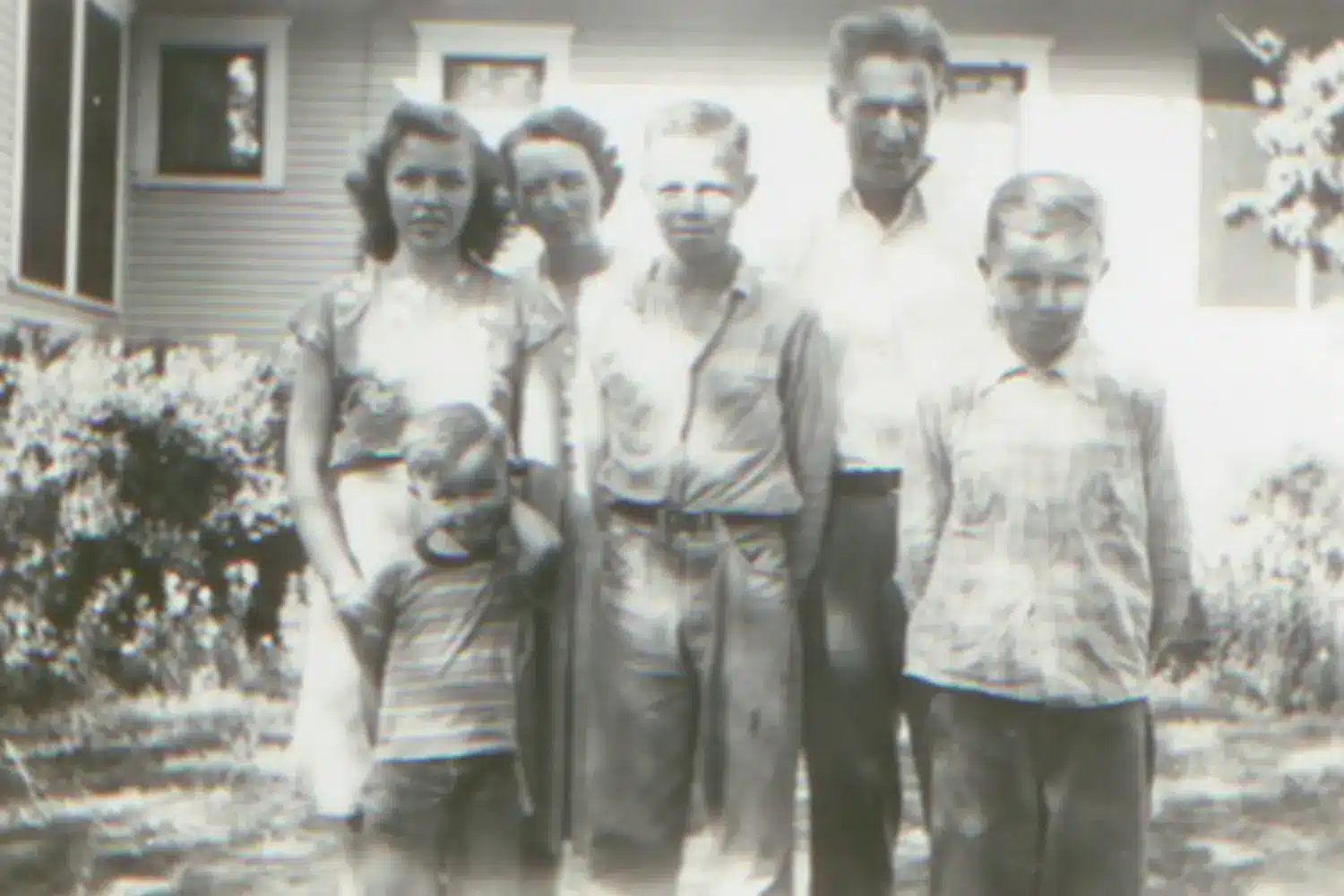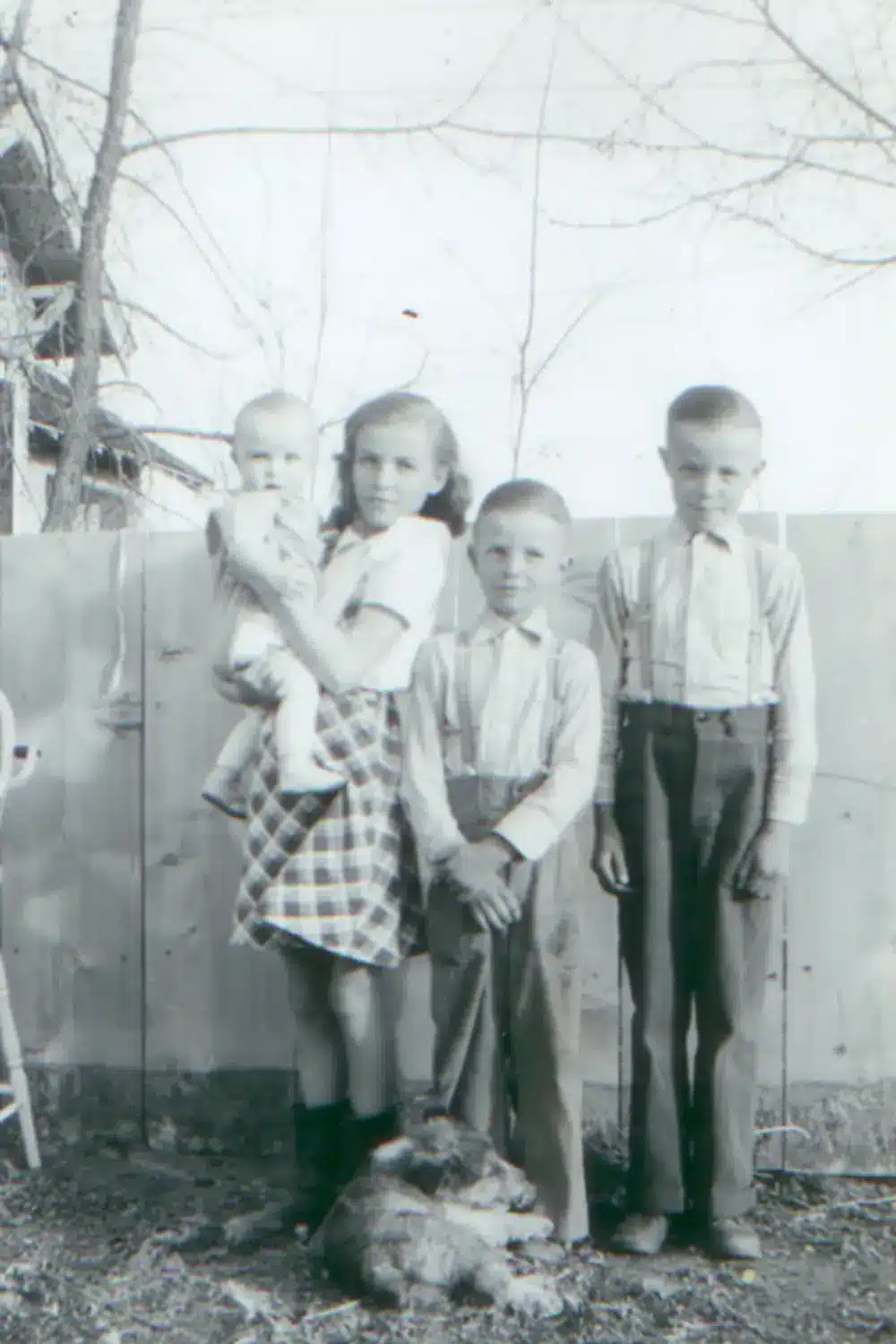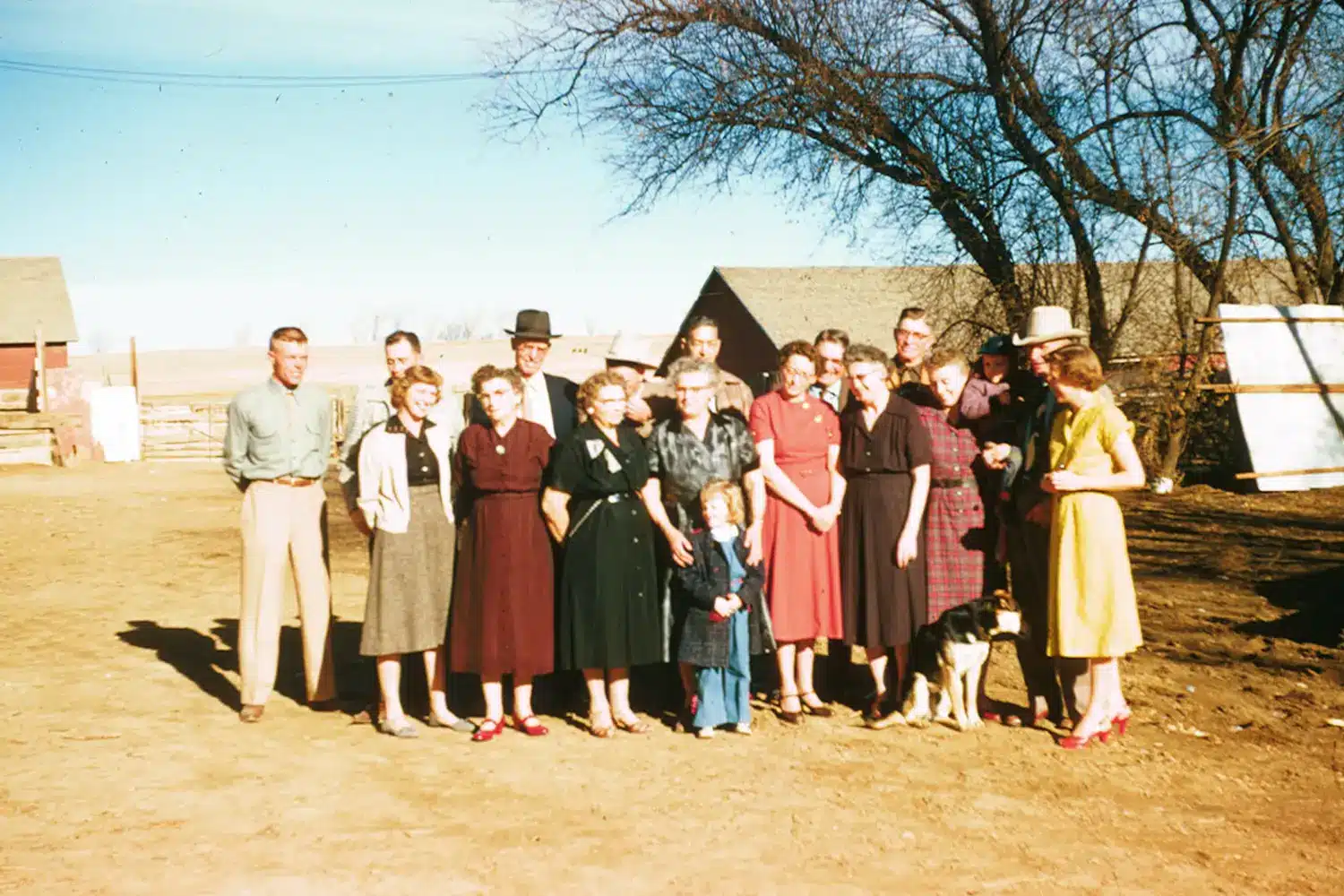

Our grandfather, Edward Christensen, leased a portion of the land that would become Christensen Ranch in Weldon Valley. He bought a draft horse team and harness from his brother, Pete, and a mower, beet cultivator, and harrow from his cousin to work the fields. He also purchased 4 sows, 2 dozen hens, and 2 roosters.

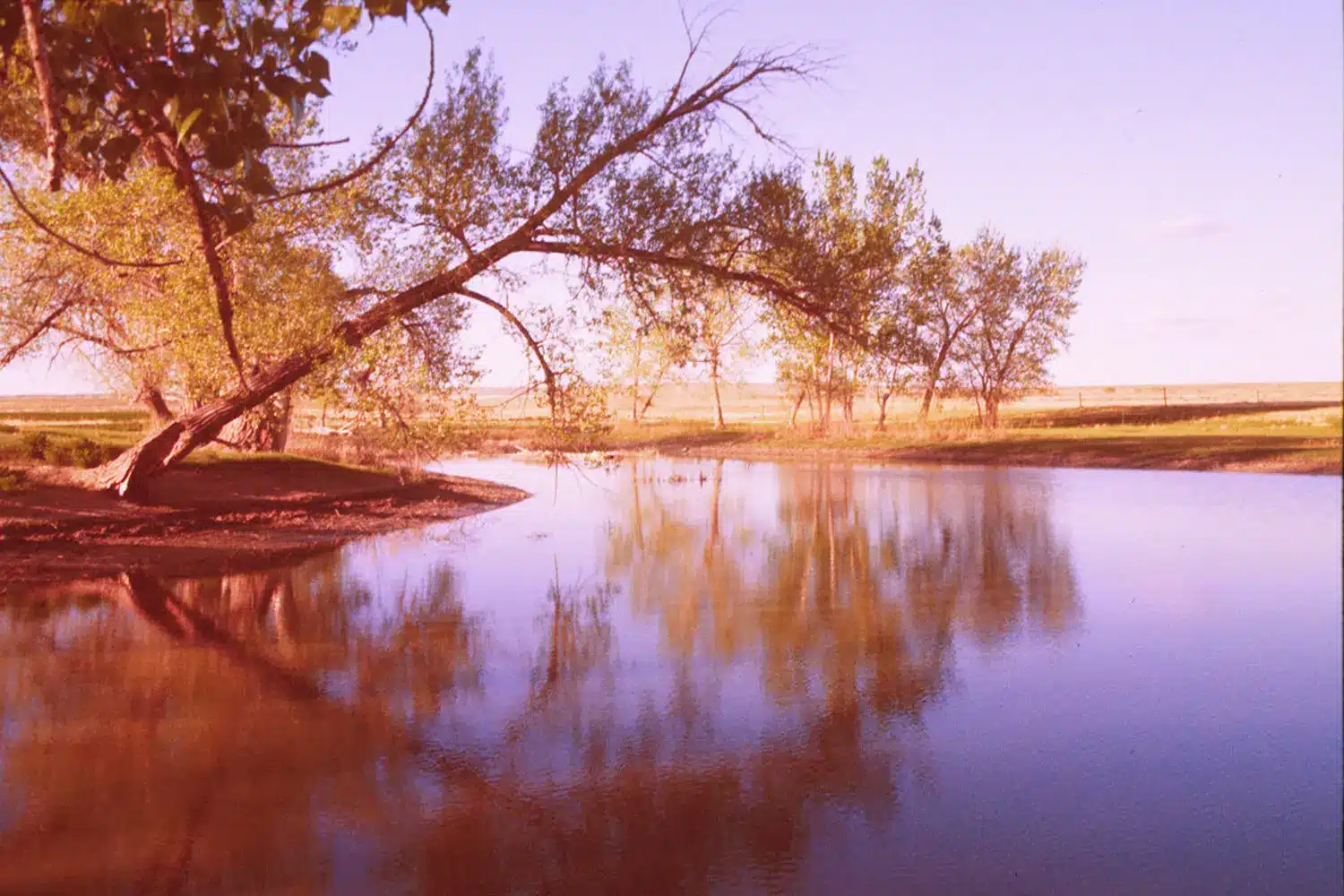
Edward purchased the land in Weldon Valley. The nutrient-rich farm ground and abundant water made it the ideal place to raise crops and livestock. He continued raising and selling pigs and chickens while farming the land.
Edward built two sheep sheds on the property. One shed still stands and is used to park the feed trucks.

Edward and Mary married. They began their life together raising sheep, sugar beets, and four children while expanding the ranch through the purchases of neighboring farms.
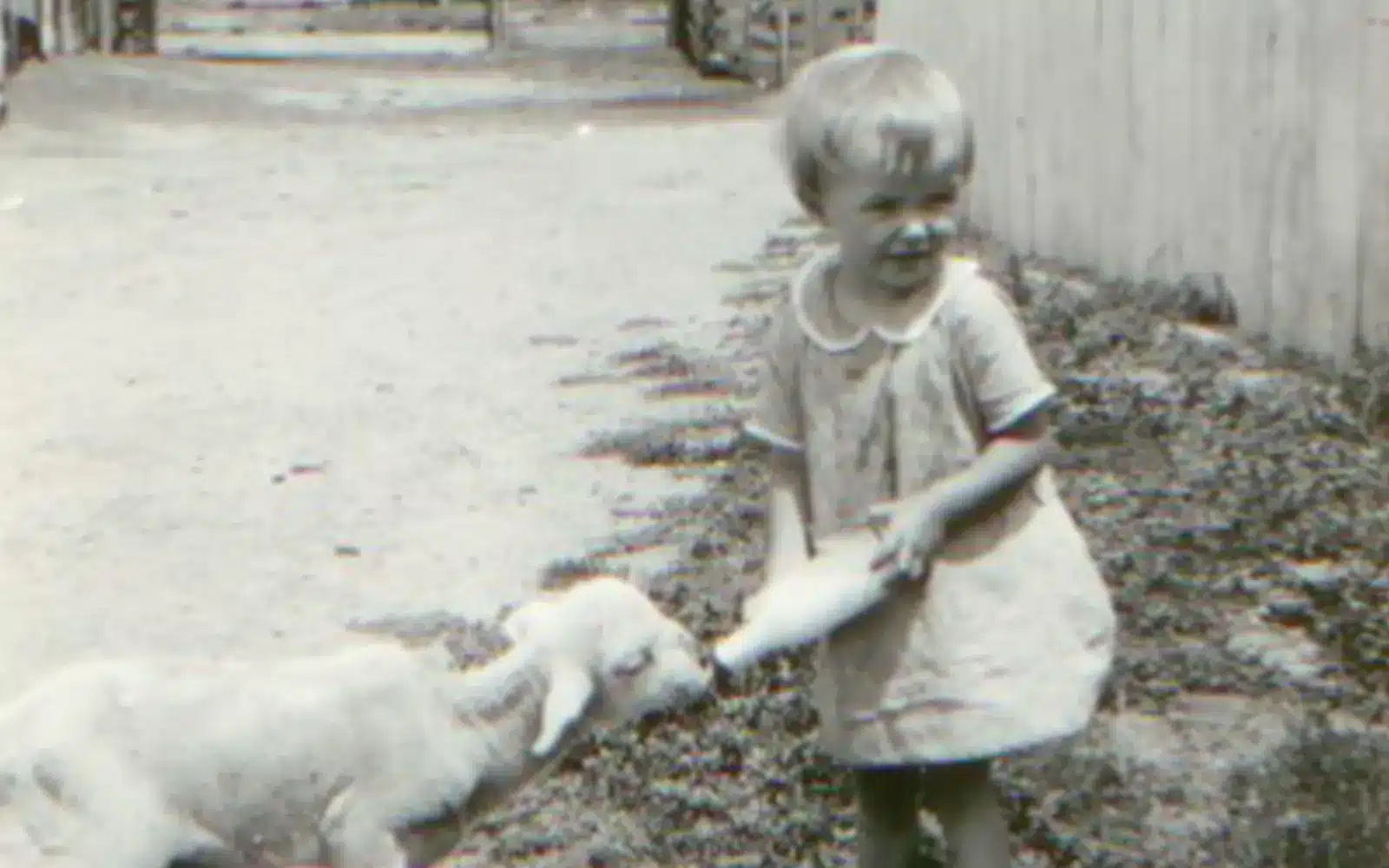
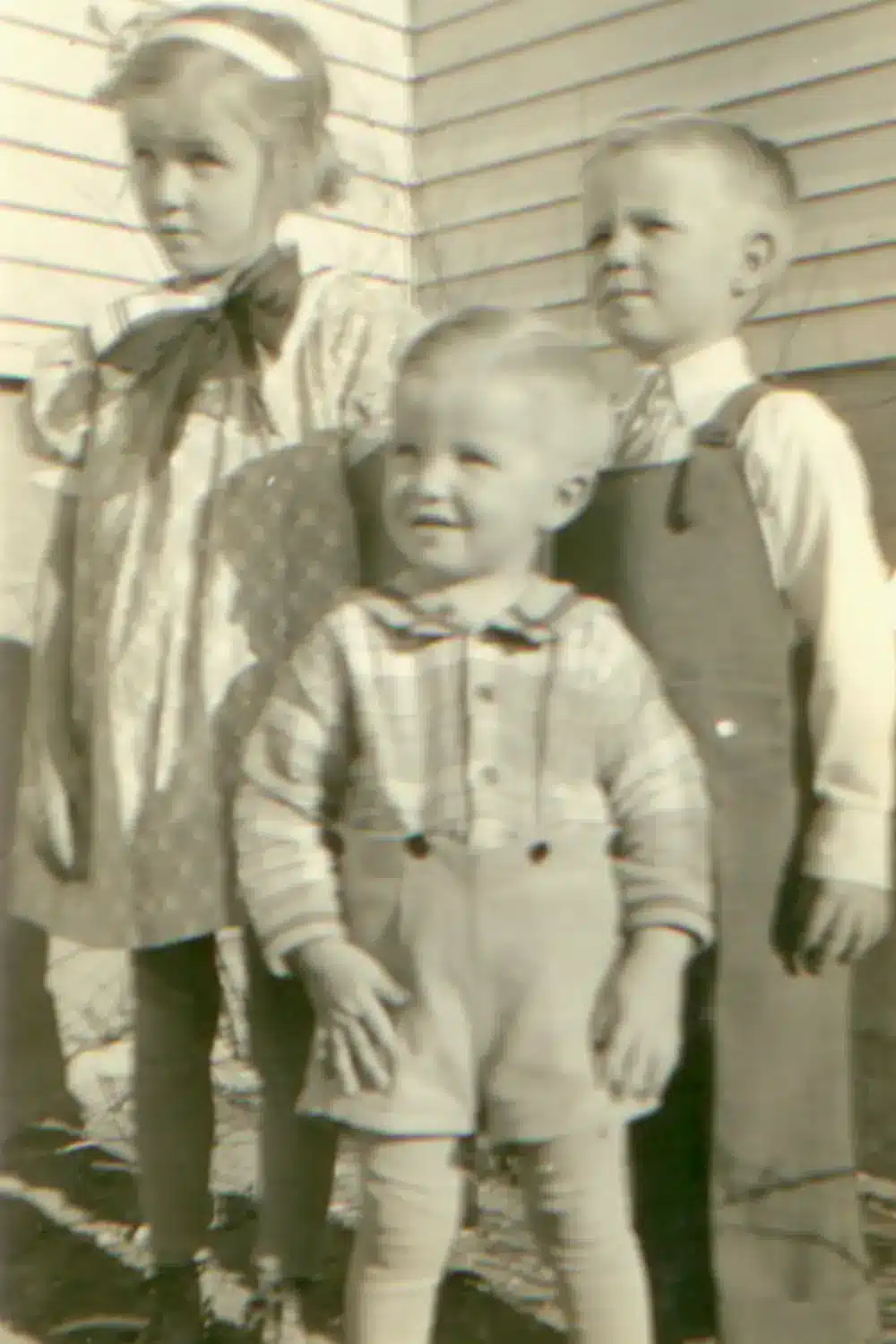
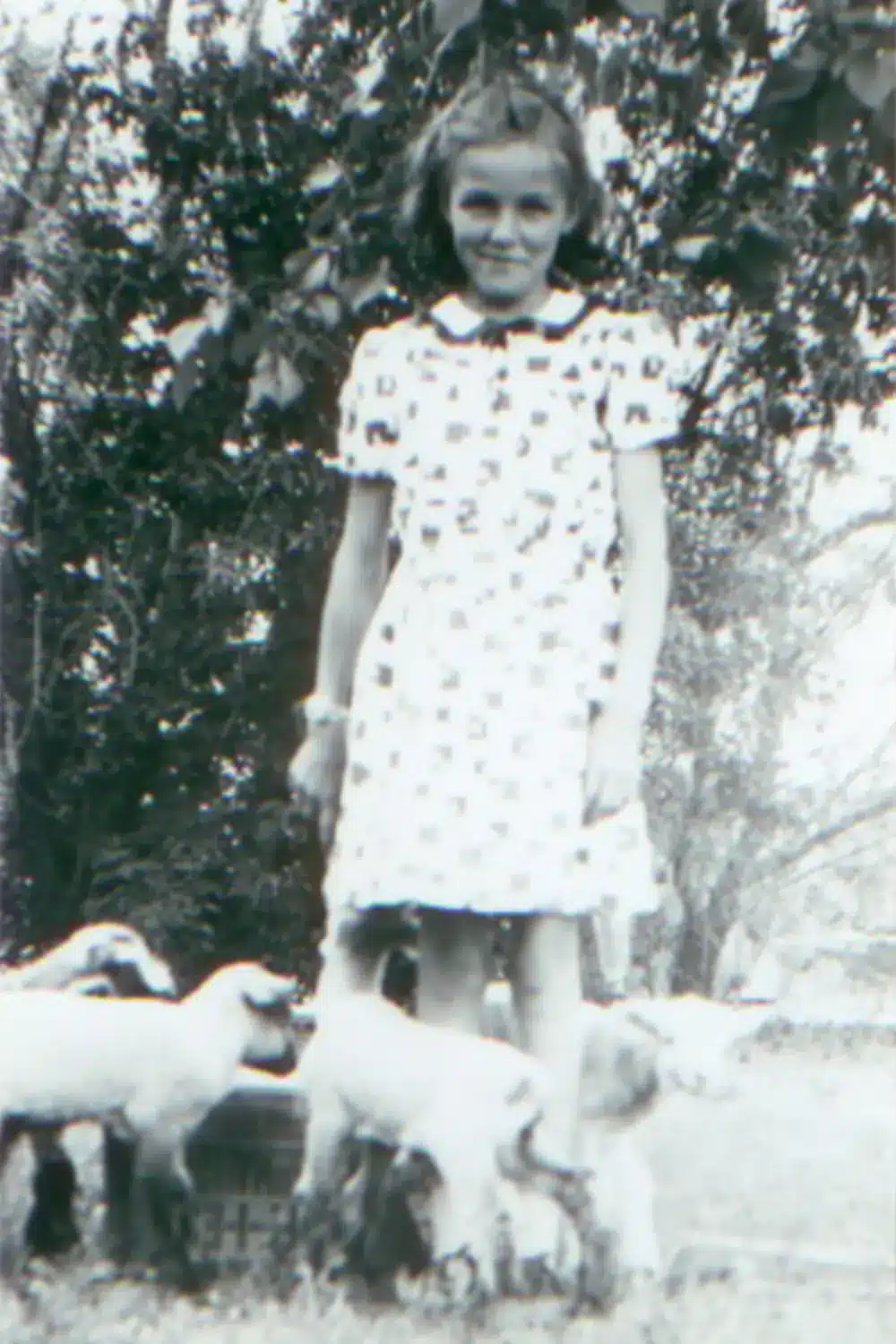
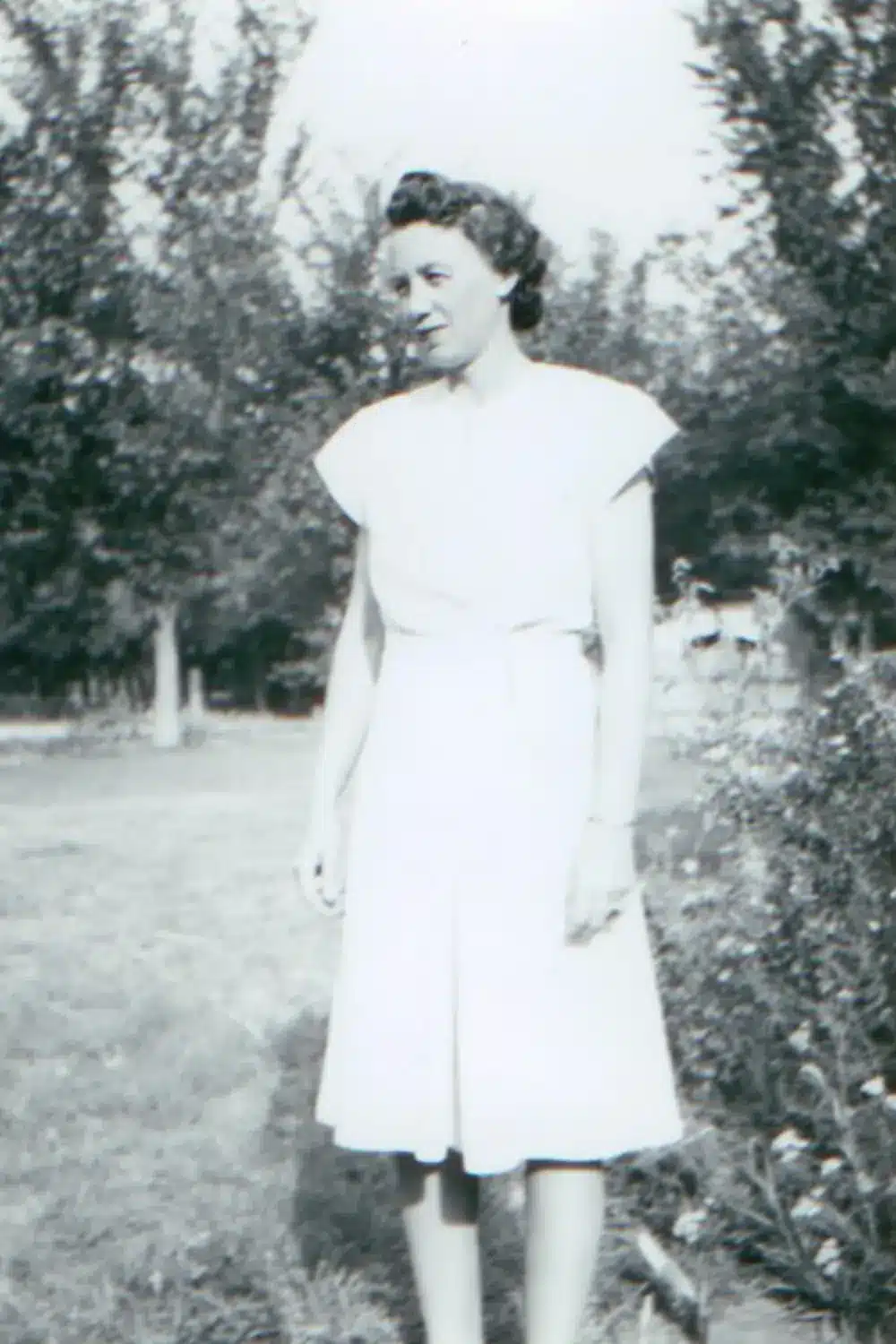
Betty Arlene, the oldest child and only daughter of Ed and Mary is born. Arlene attended Colorado State College after graduating from Weldon Valley in 1946. She followed her mother's footsteps and earned a BS in Home Economics and a teaching degree.
The water system and well for the main farm is installed.
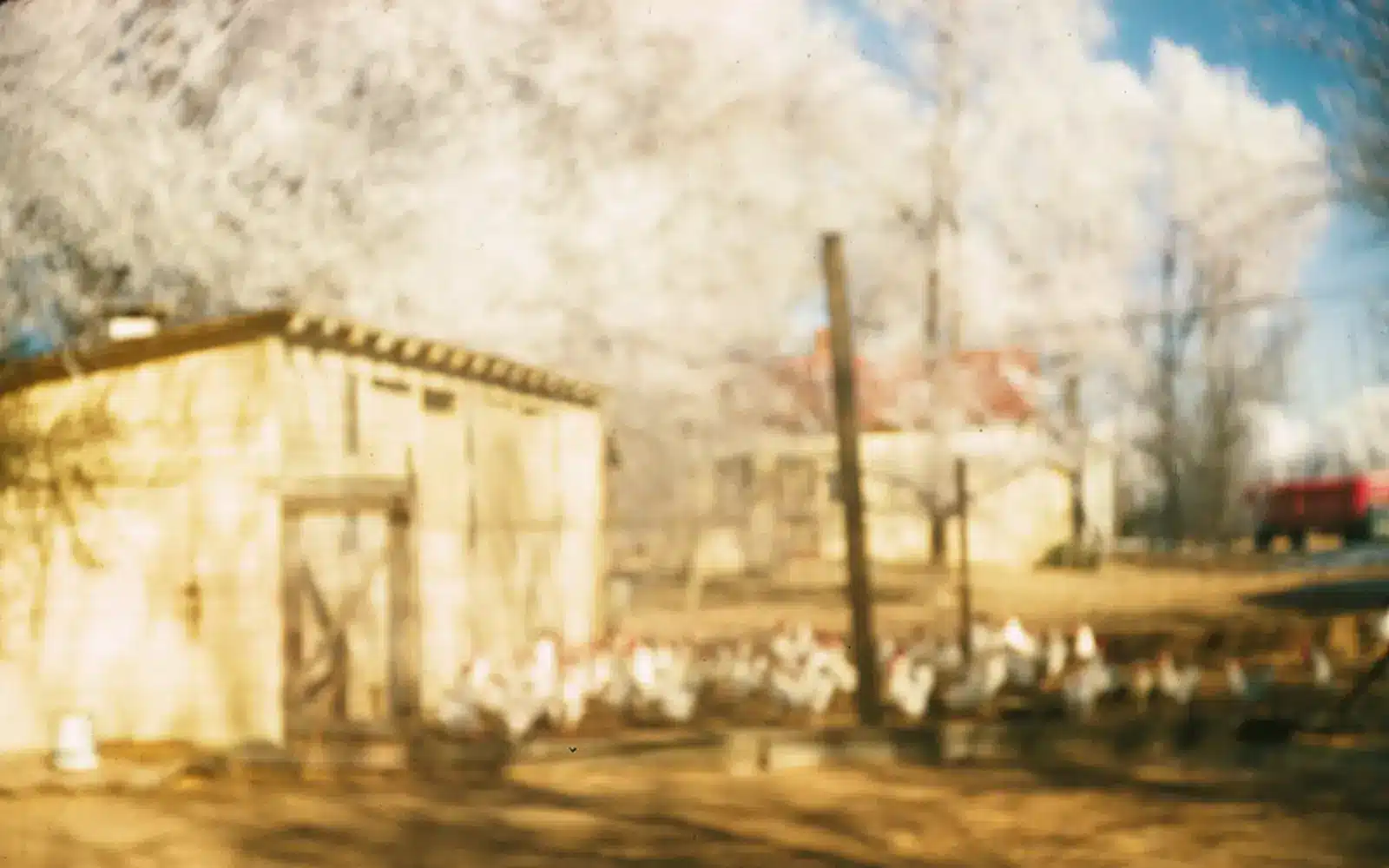
The poultry house is built to house the turkey and chicken flock. The poultry house was torn down in 1995 to accommodate the expansion of the existing shop.
Donald Edward, the oldest son of Ed and Mary, is born in November.
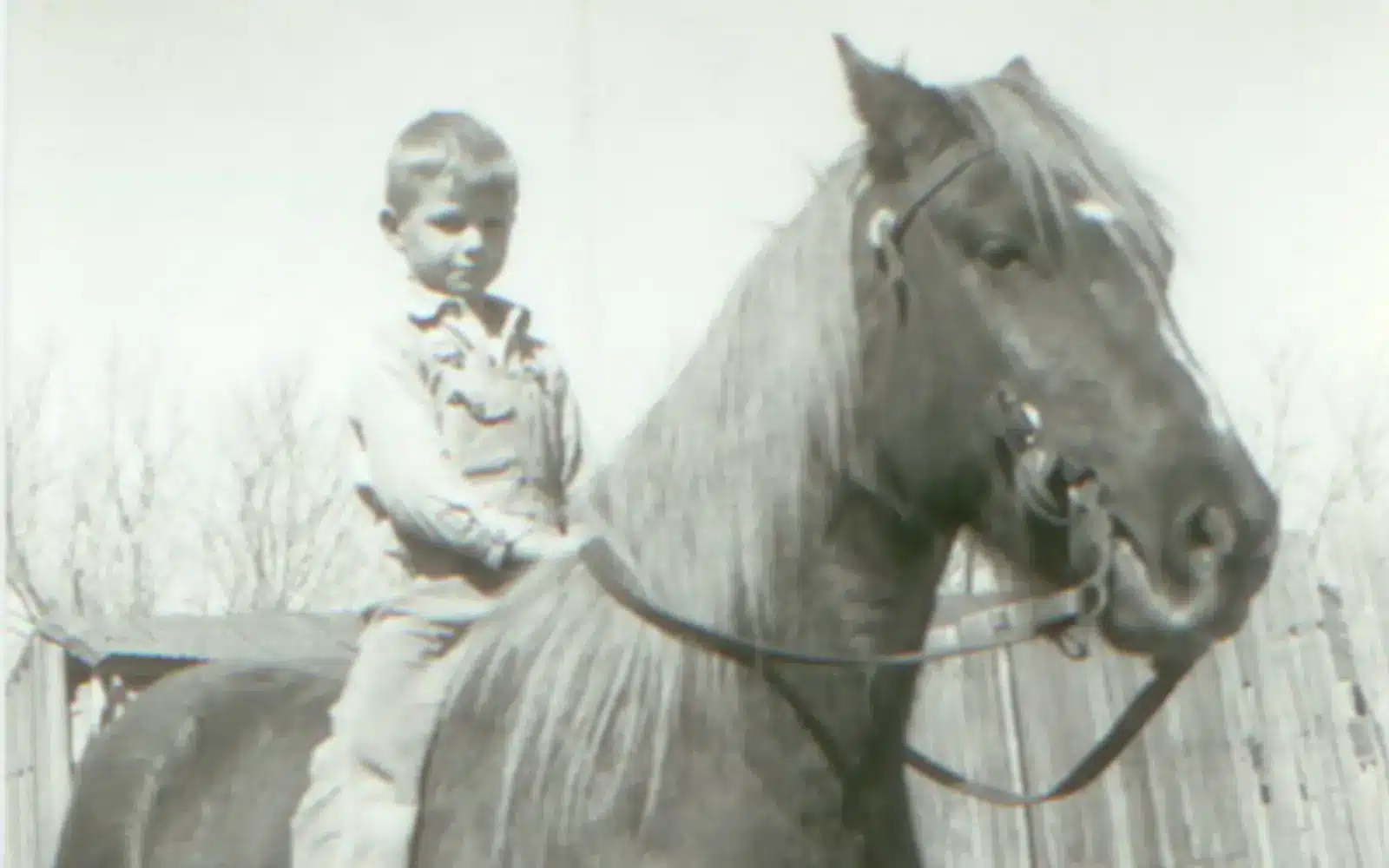
Glen Allen, the middle son of Ed and Mary, is born in November.
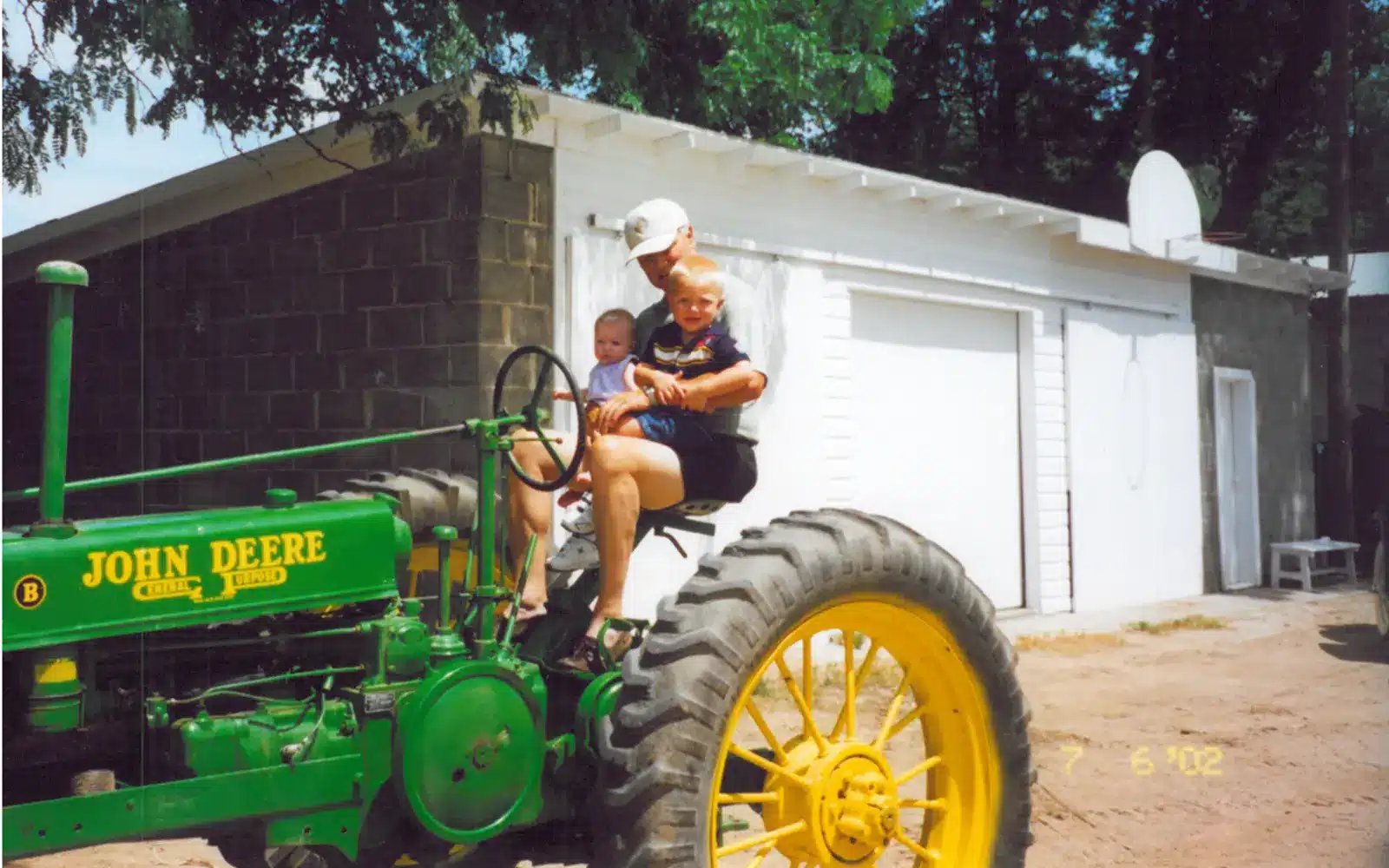
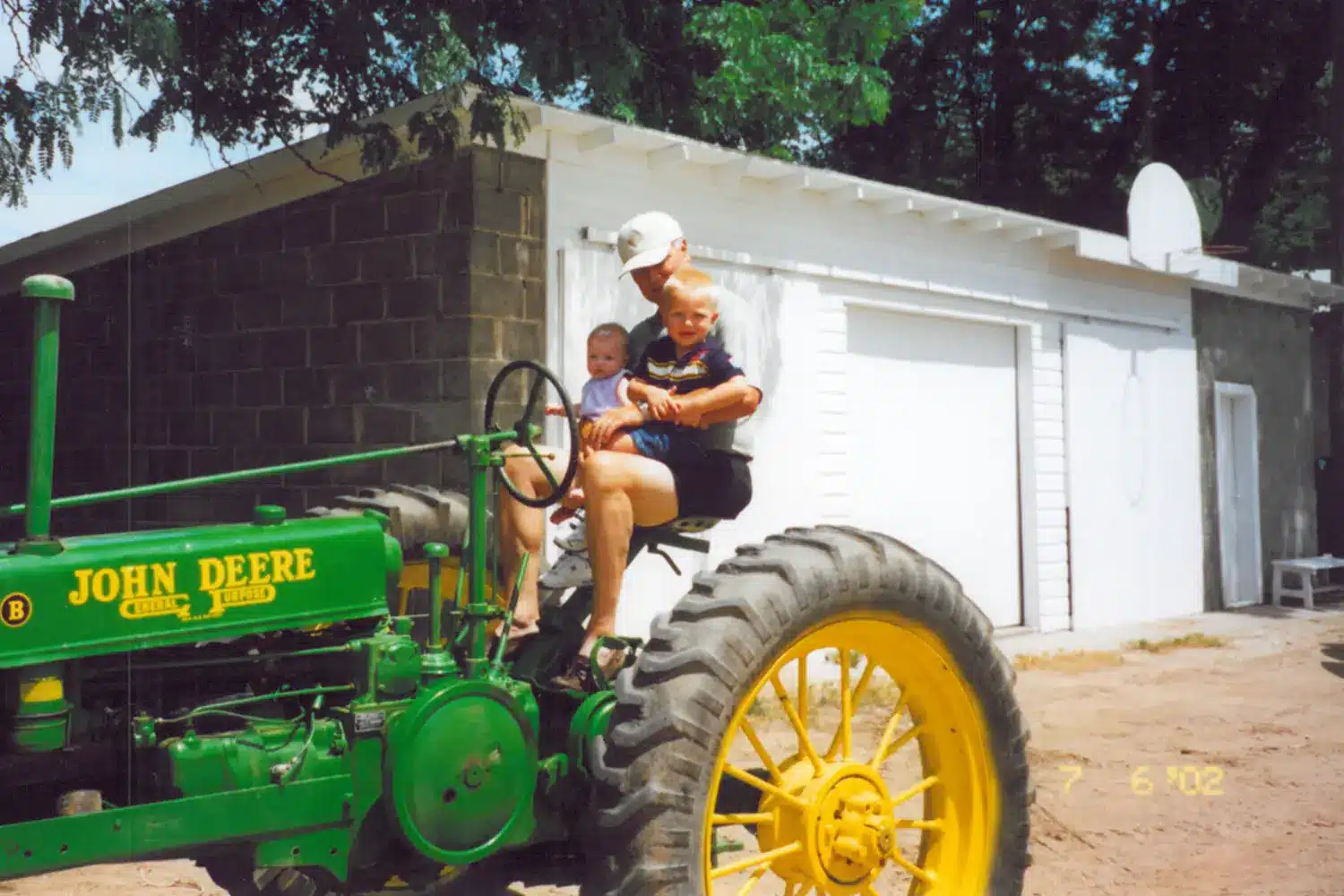
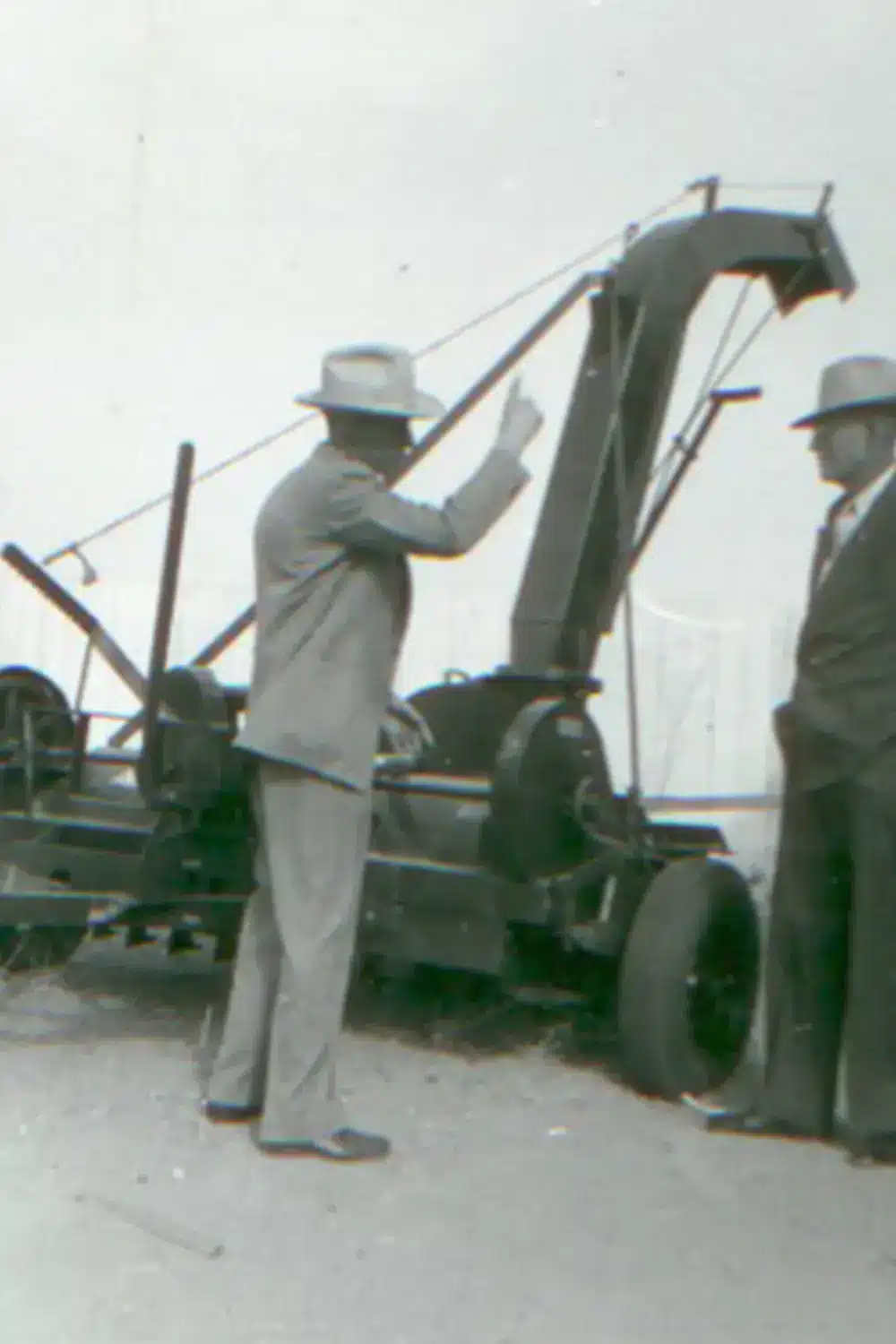
Ed and Mary bought their first tractor, a 1936 B John Deere. This tractor is still here on the ranch.
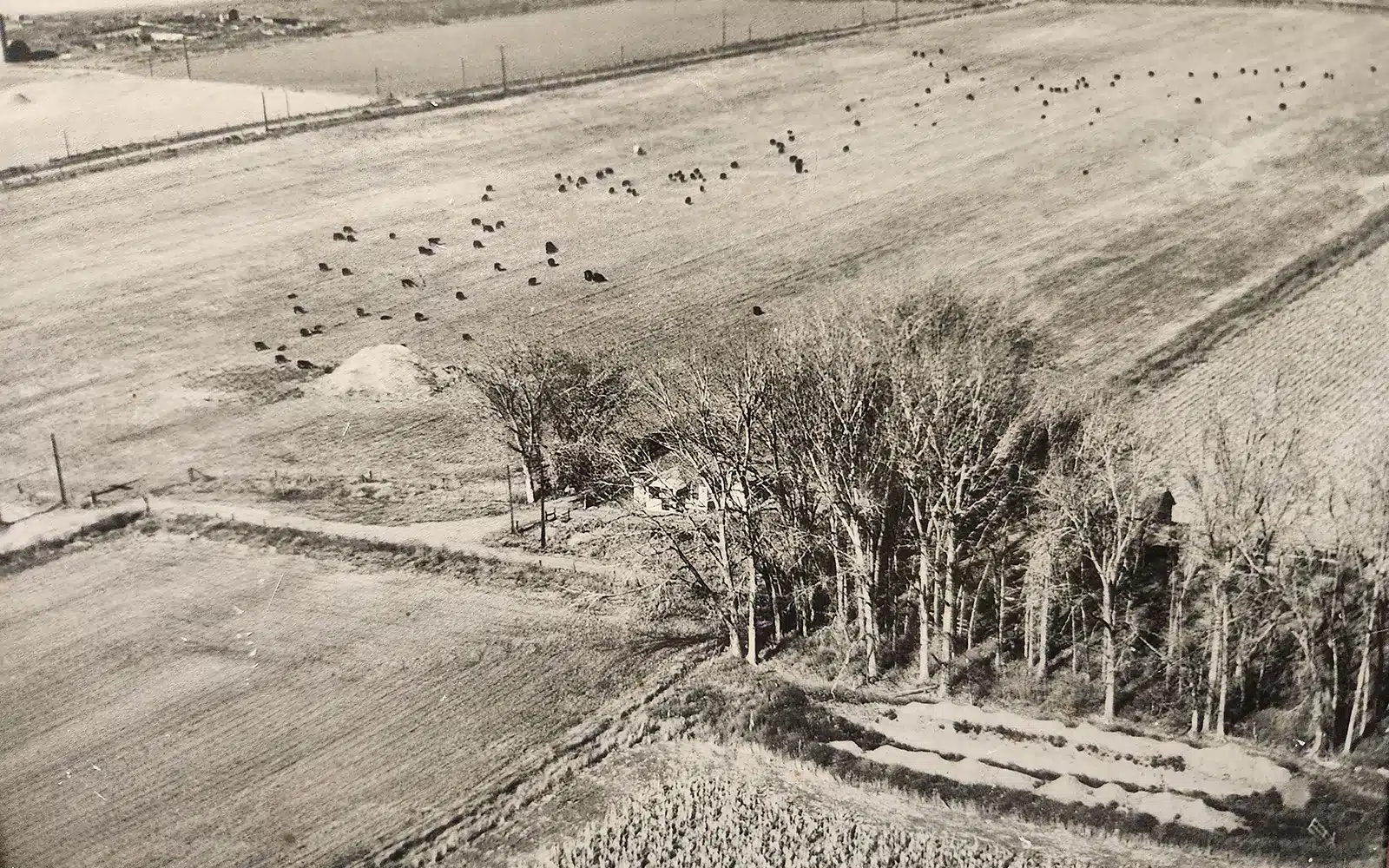
The Ranch is expanded with the purchases of the South house and surrounding farmland.
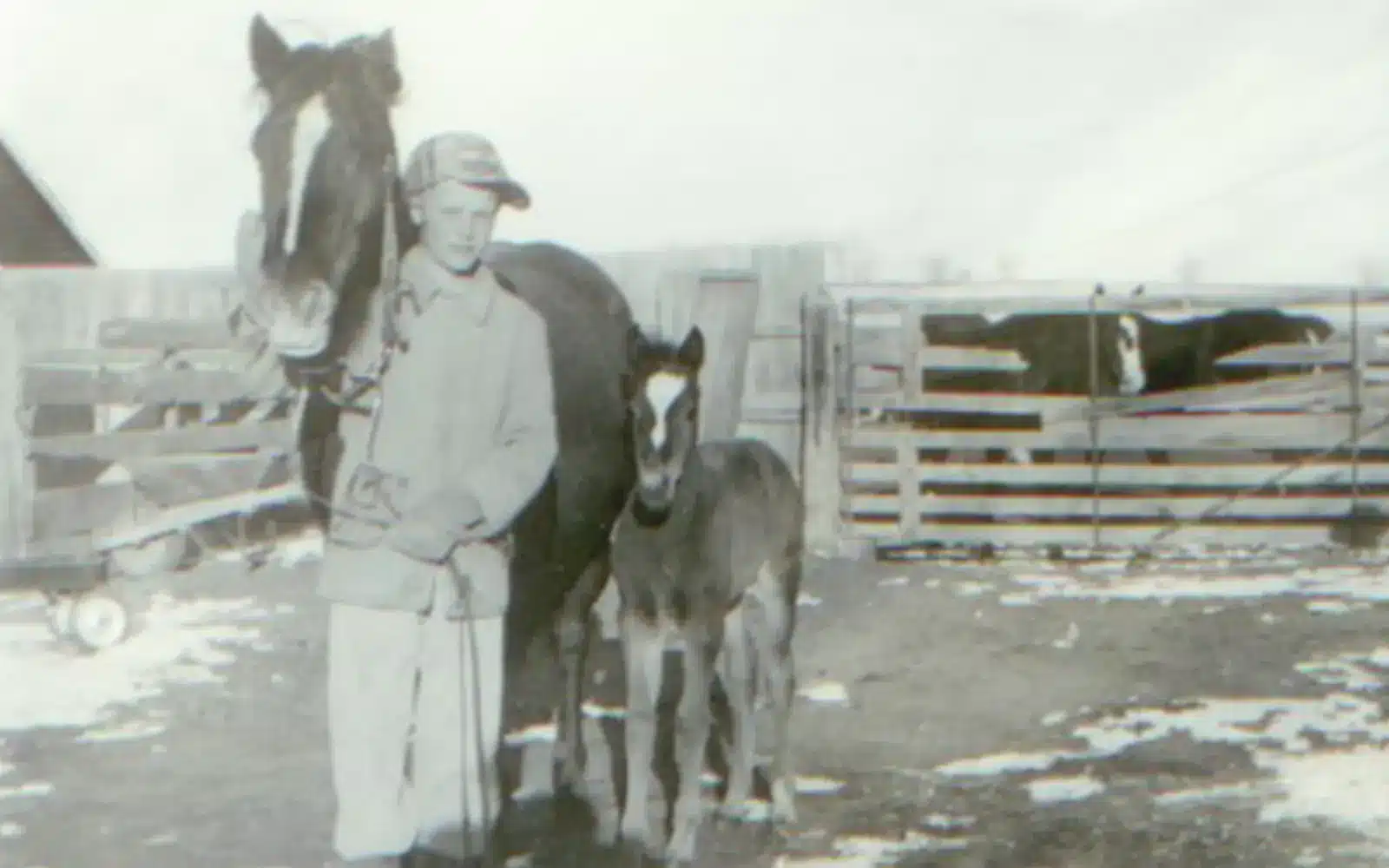
Larry John, the youngest child of Ed and Mary, is born in June.
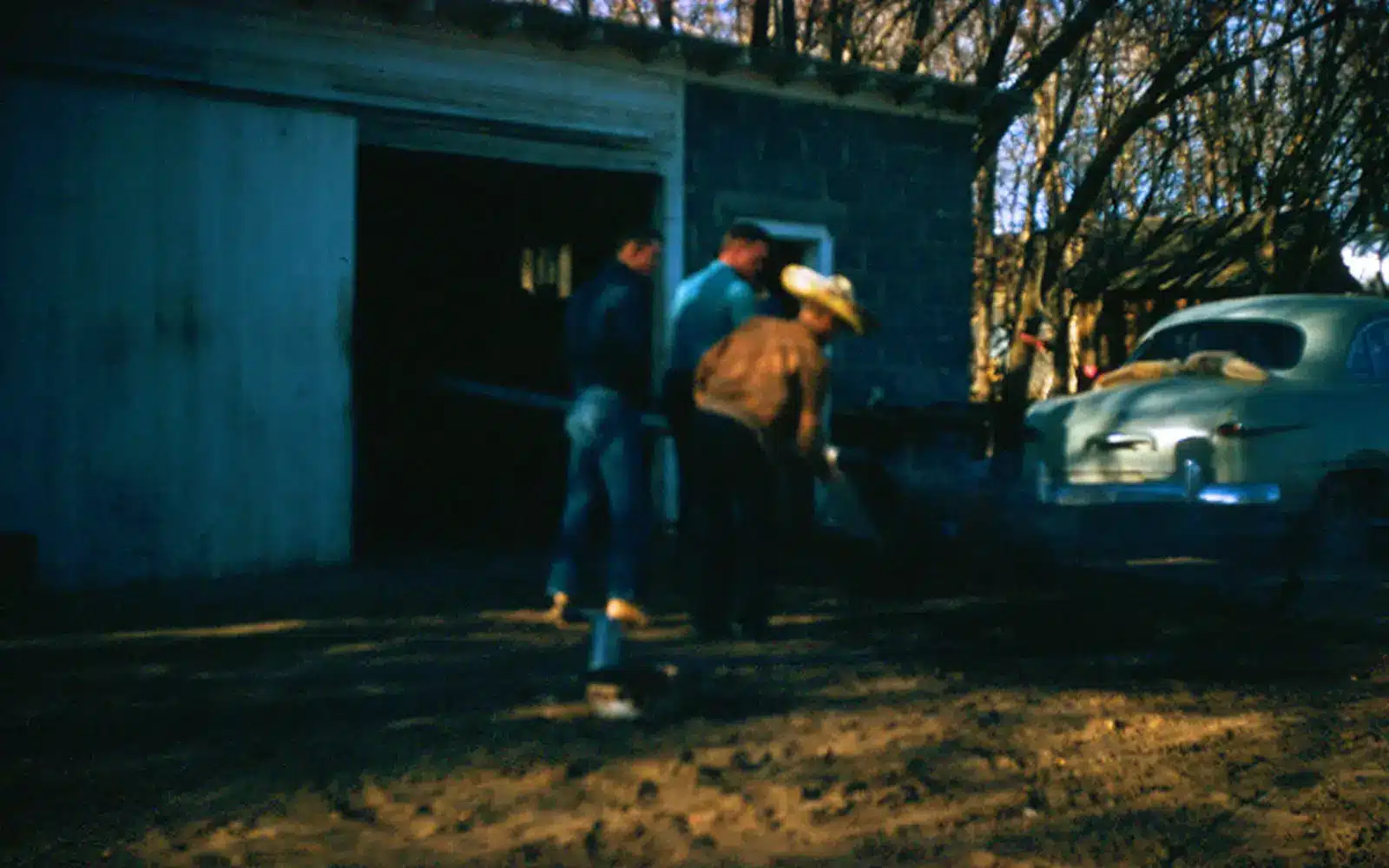
The garage was built as the first shop. The building is used today as the garage for the Main House.

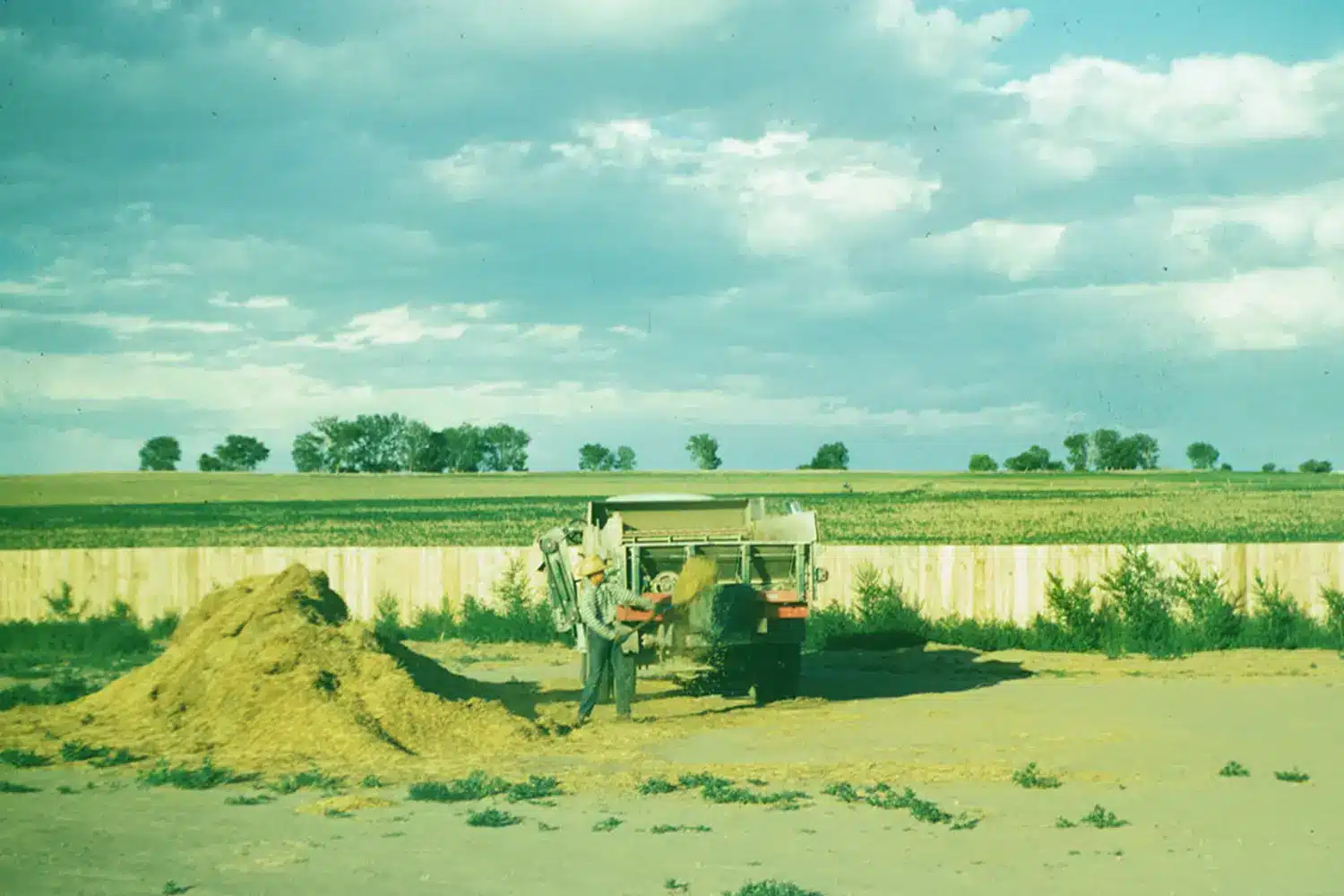
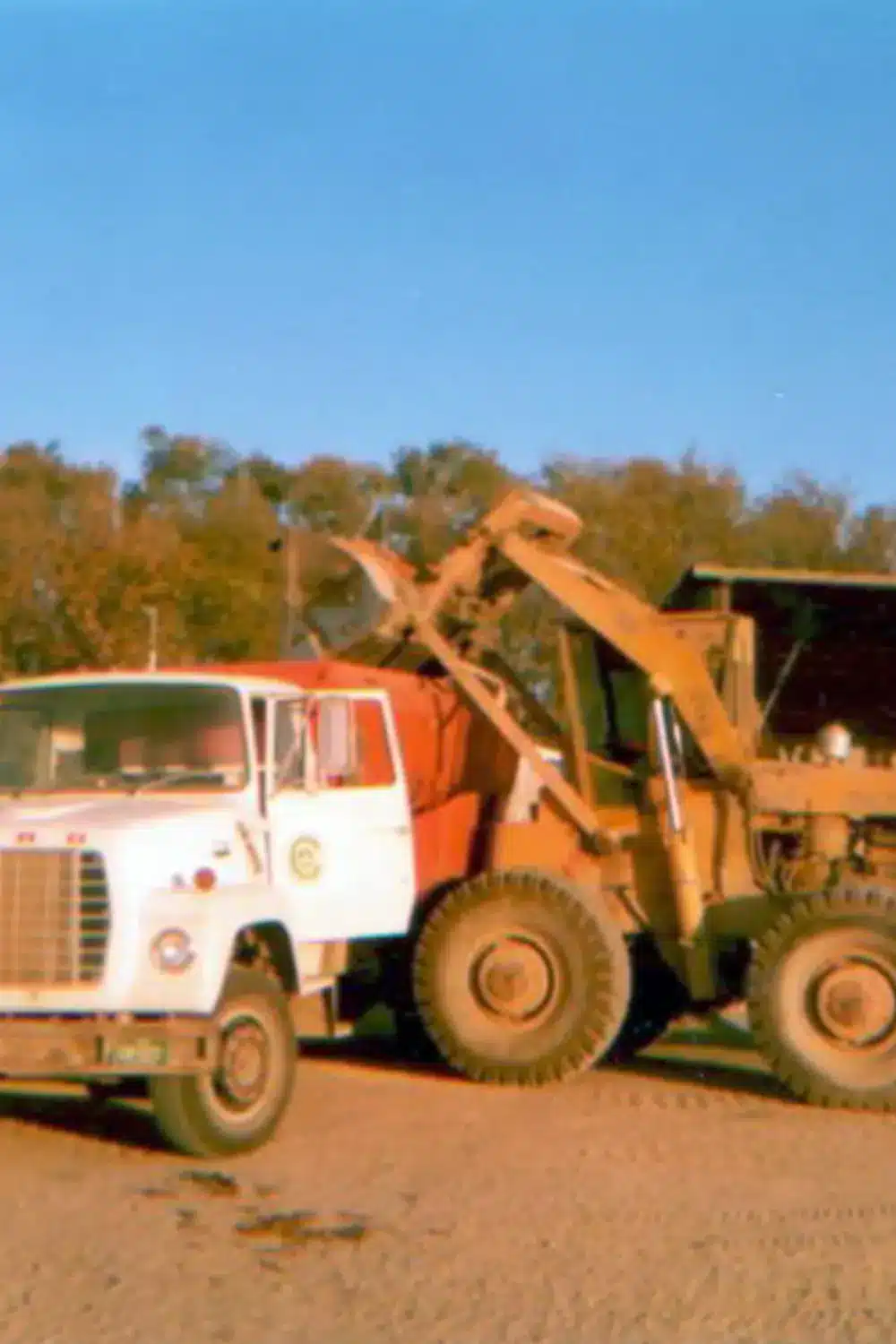
As the time moved forward, Ed and Mary continued to update their machinery and moved to strictly raising corn, alfalfa, and cattle.
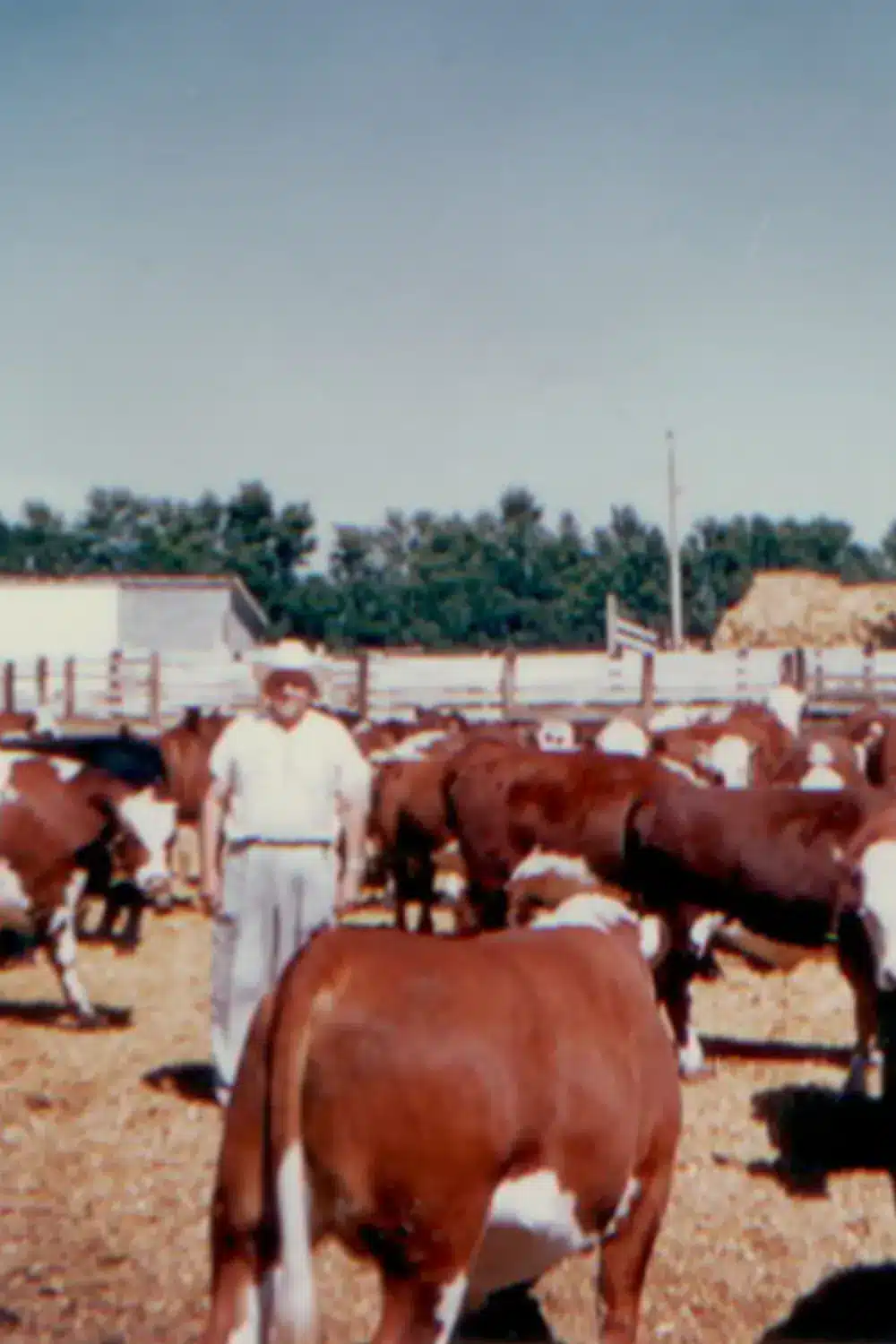
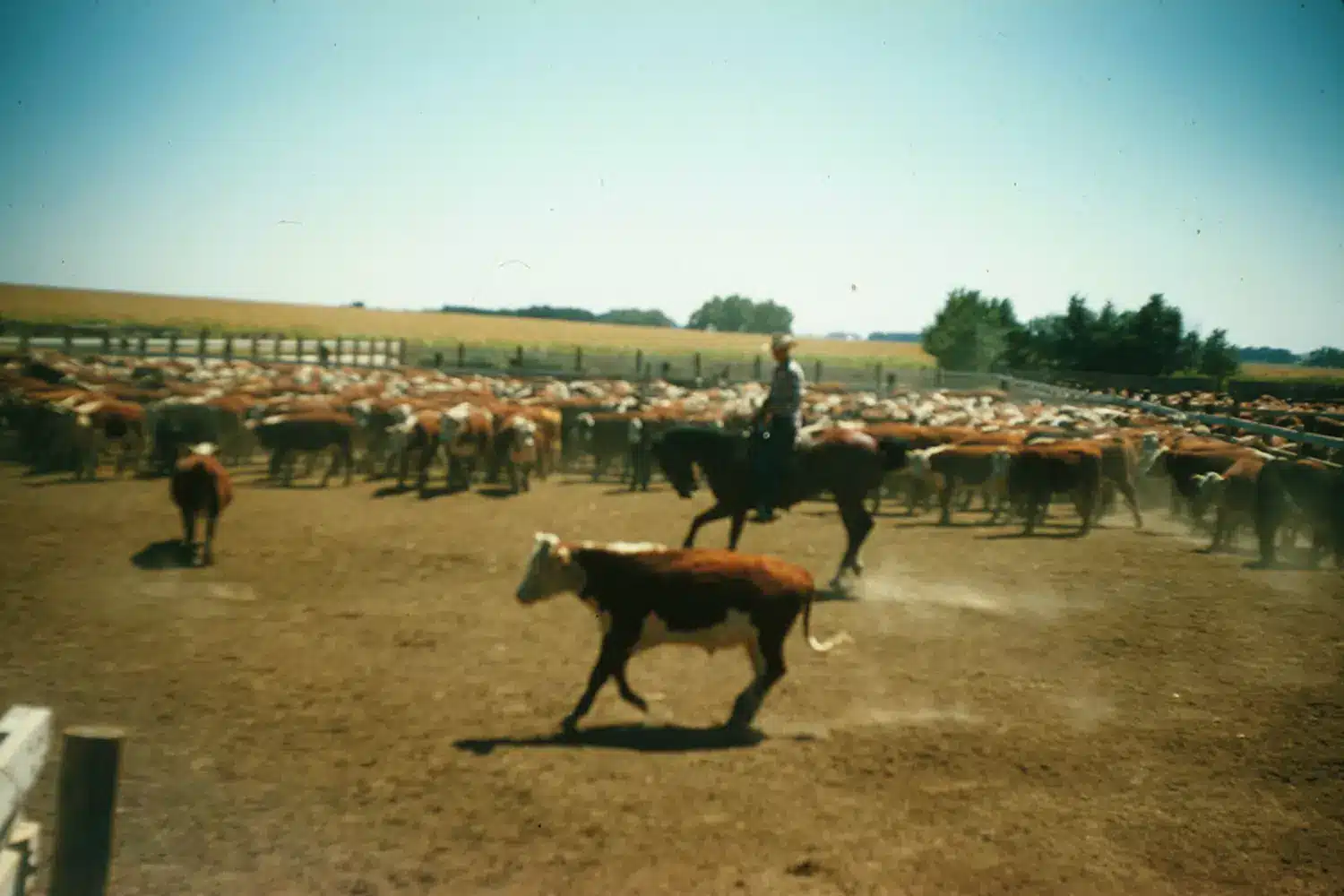
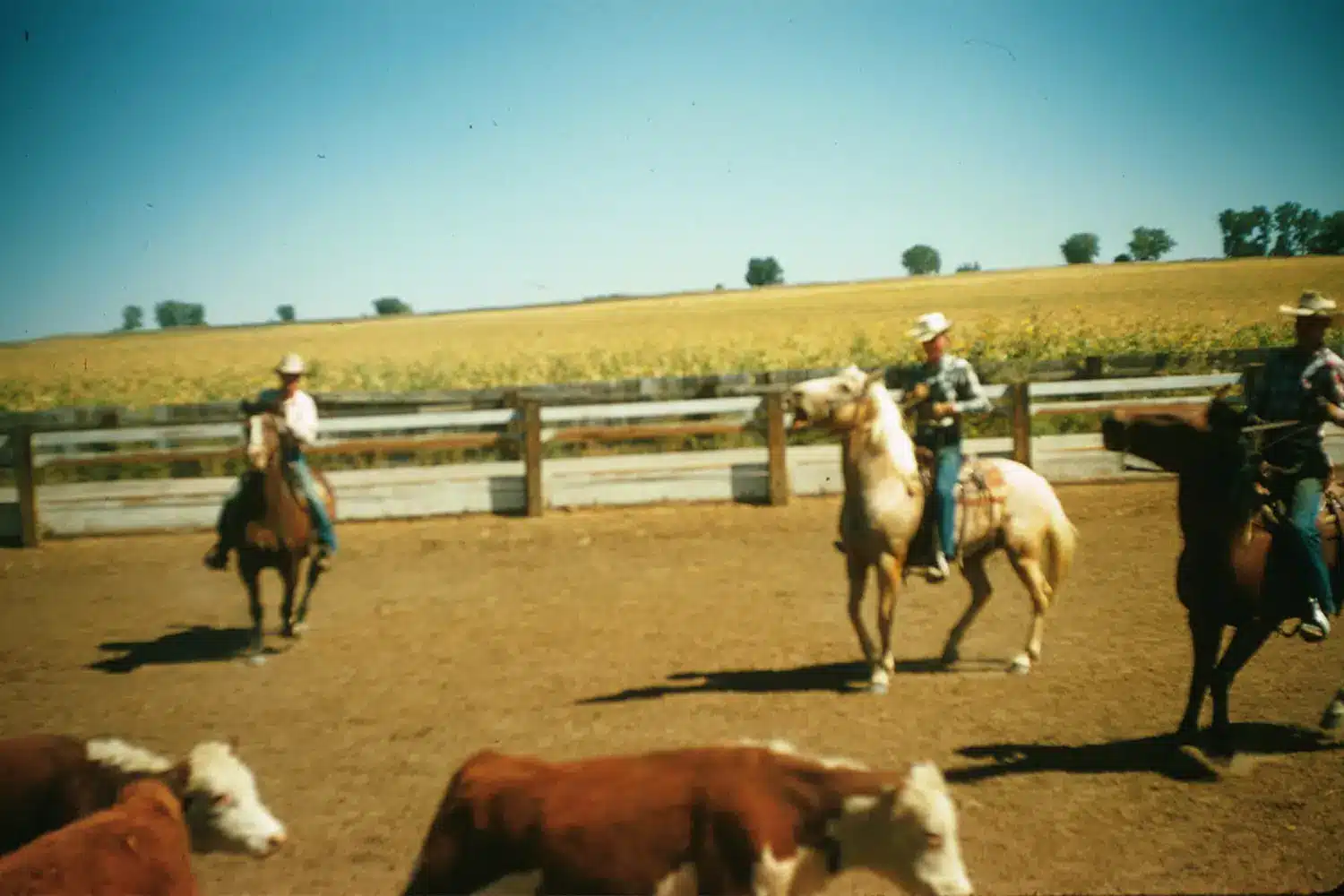
Edward & Mary started raising Hereford cattle and were some of the first ranchers to feed cattle year-round in Northeastern Colorado until drought in the 1950's caused them to sell and feed strictly yearlings.
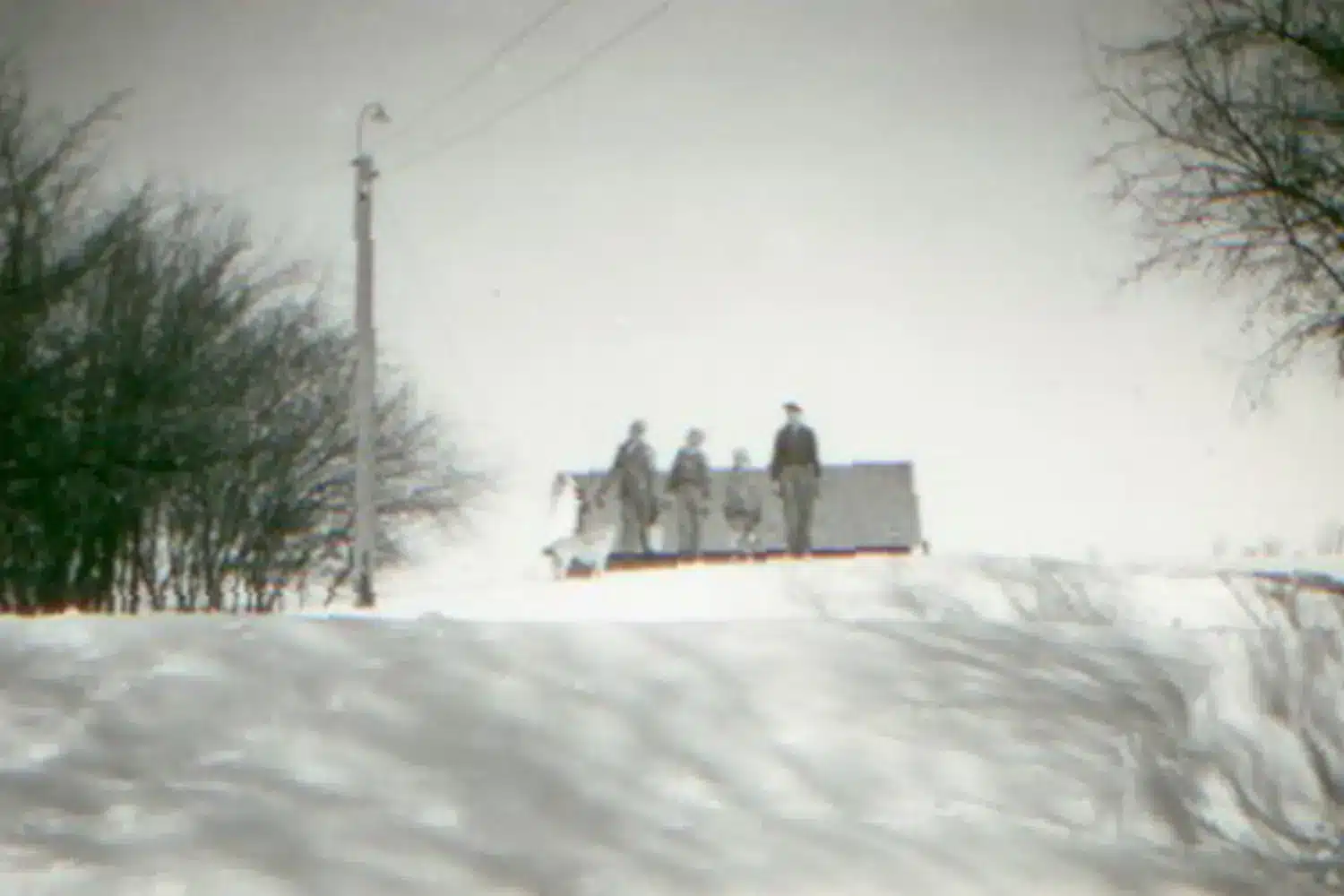
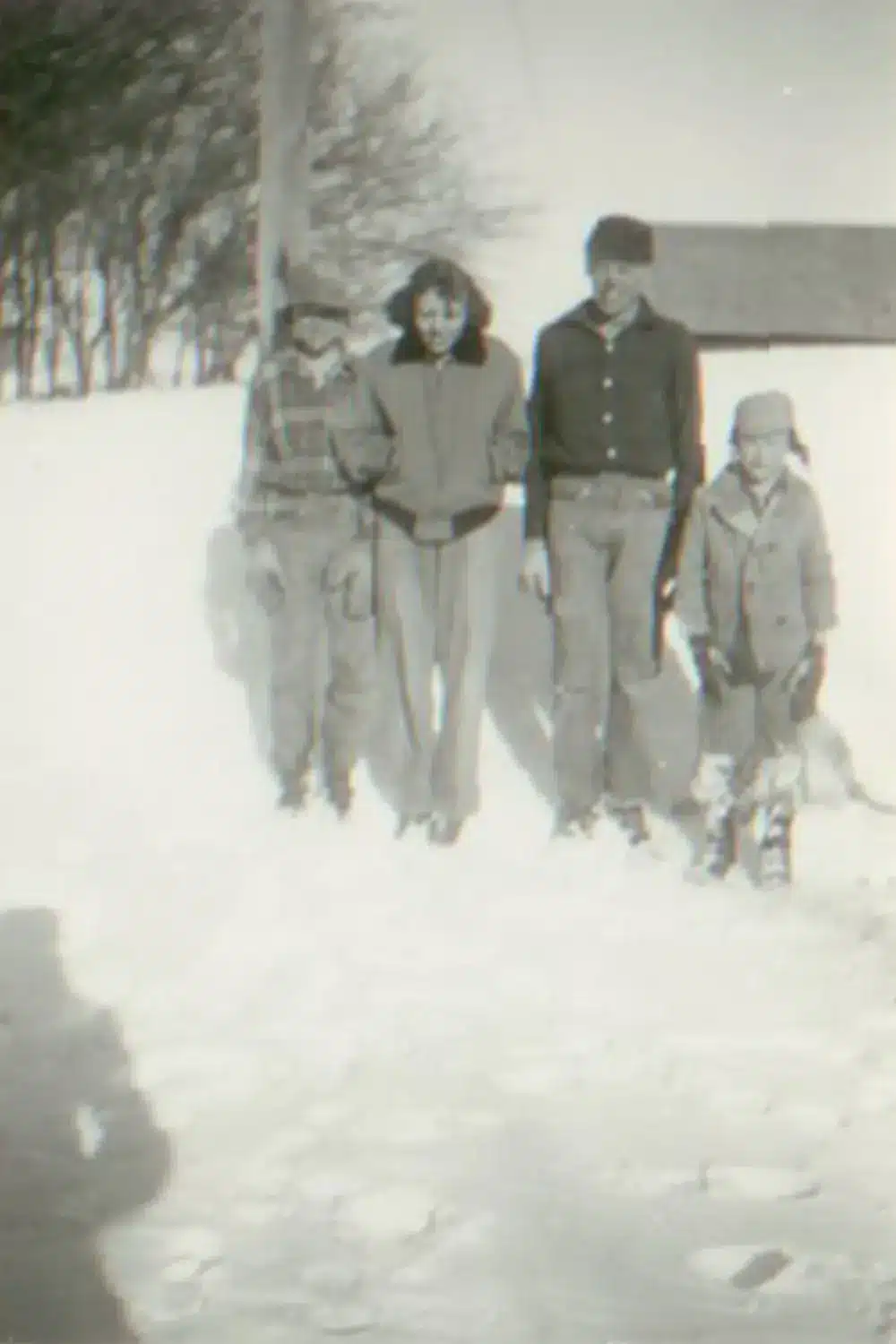
They experienced the blizzard of January 1949, and as family lore tells the story, it was ER, Arlene, and Larry that took care of the animals that first day. Don and Glen had gone to the movies the night before and did not make it home before the storm hit. Back in those days, people dressed up when going to town, so both Don and Glen were wearing suits and dress shoes. When they left Fort Morgan for home, 15 miles away, they only made it half way back before stopping at the neighbors to safely spend the night. They were able to contact their parents to let them know they were safe and where they made it.
ER and Arlene spent the next 24 hours rotating cattle from the corrals into the shed, letting the snow melt off the animals noses before bringing the next group in so the animals would not suffocate.
When the wind and snow finally stopped, ER set out to go get Don and Glen. He followed the Weldon Valley Ditch canal, as that was the only sure landmark he could make out. The neighbor helped Don and Glen wrap their shoes in burlap sacks, and they set out following the ditch canal to meet up with ER.
Once home, they started digging out the machine shed, where the loader and trucks were buried behind the drifts. It took about 24 hours until they were able to tunnel to the door and get out the loader, which made digging out the rest of the farm much easier.
In the meantime, Arlene brought feed in bushel baskets to the animals so they could maintain their energy while battling the conditions.
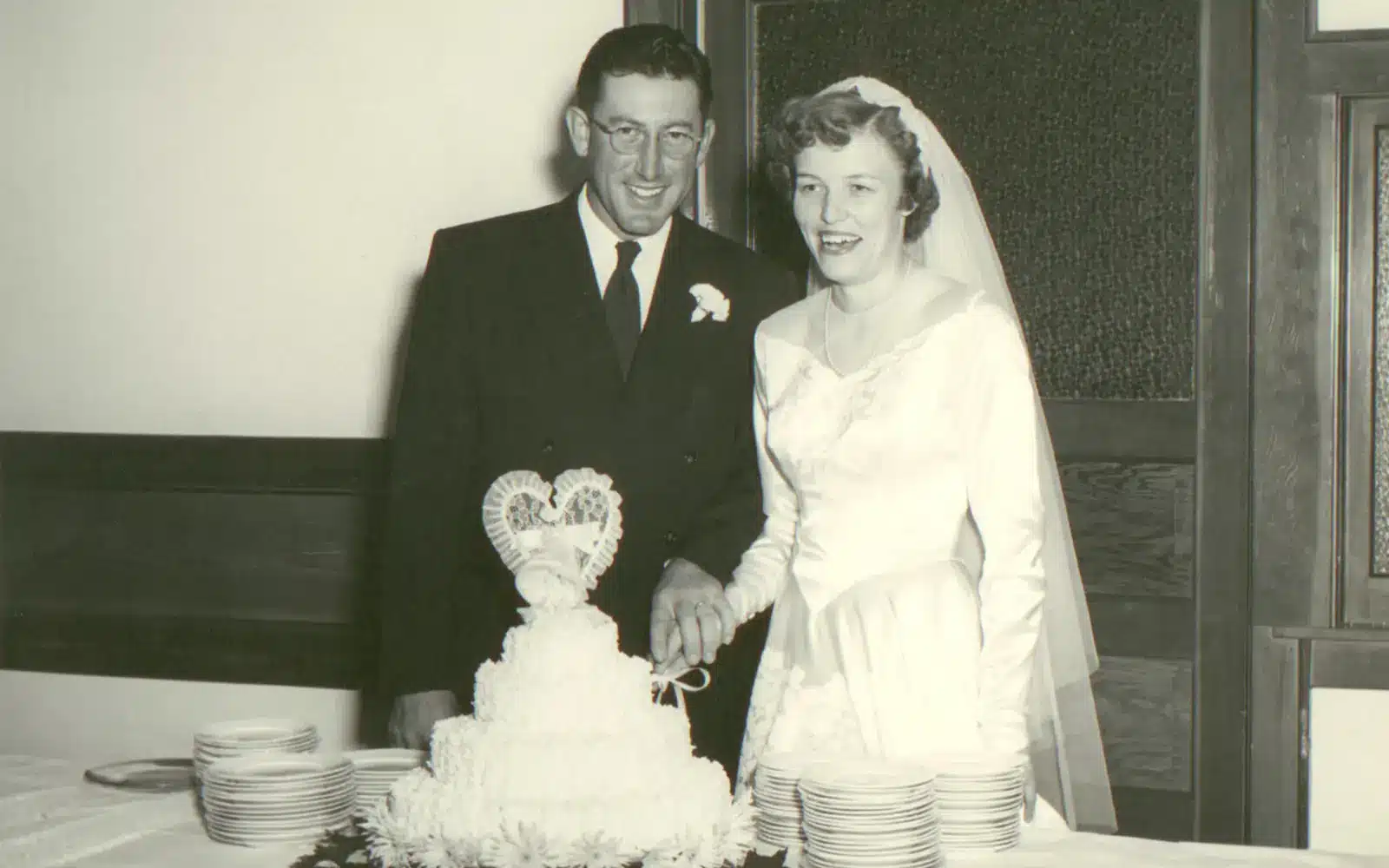
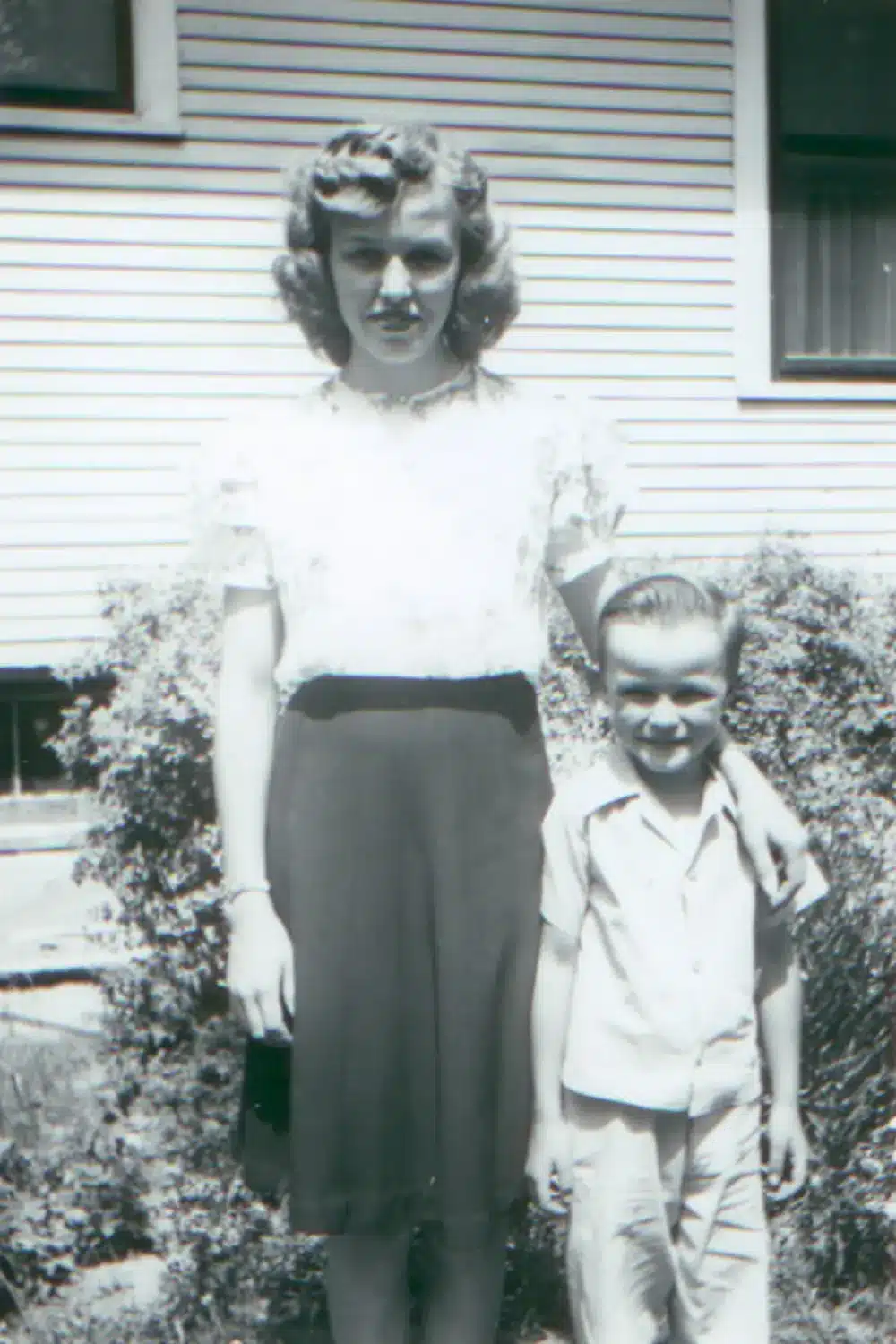
Arlene is wed to Bob Parachini, a “Valley” man that also attended Weldon Valley High School. They farmed about five miles up the Valley from where Arlene grew up. Arlene and Bob had four sons: Mike, Dick, Tom, and Jack.
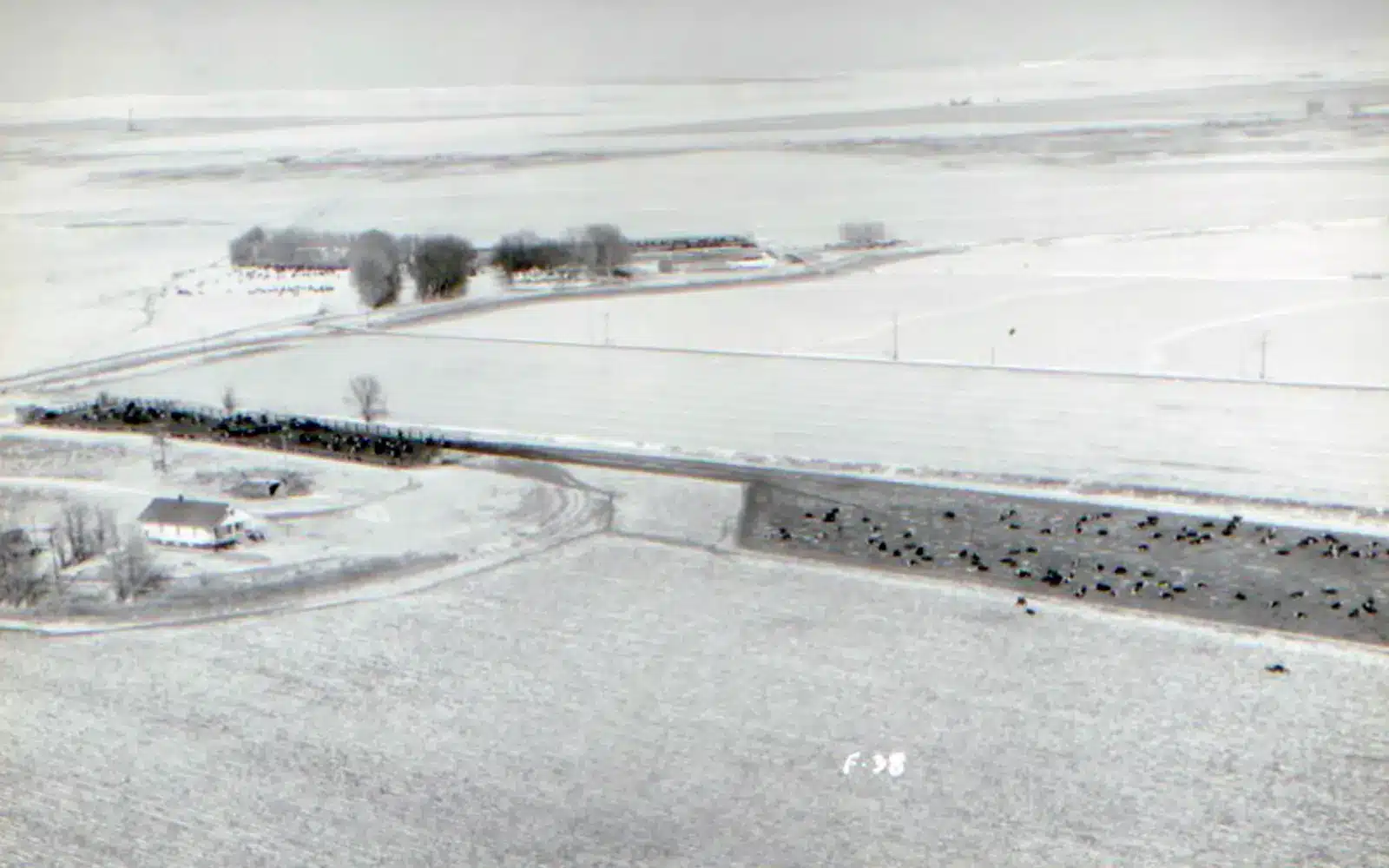
Edward and his sons, Don, Glen, and Larry, purchase the West House and surrounding fields. Glen moves into this house
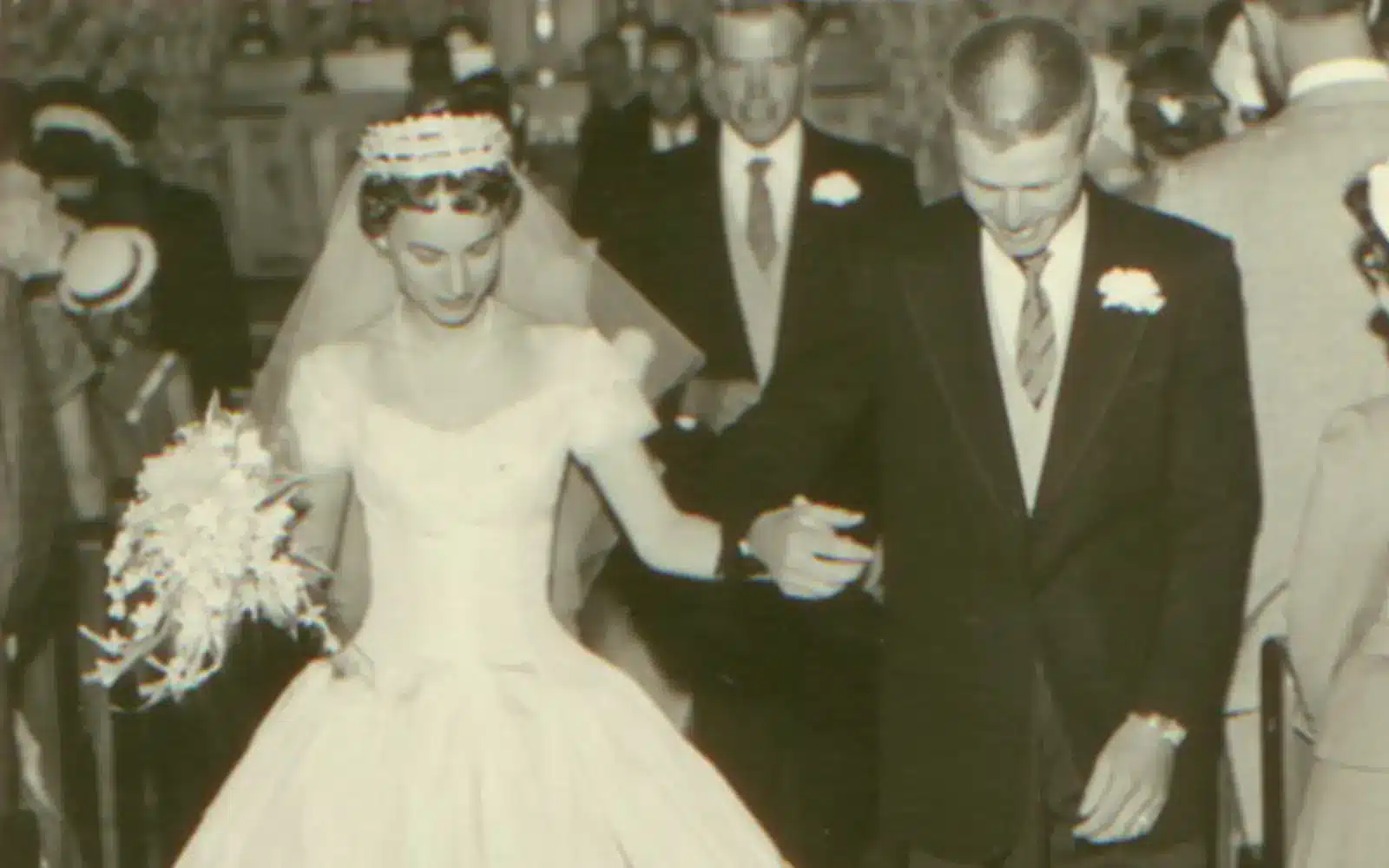
Glen weds Connie. They have four children: Brian, Dana, Bruce, and Janis. Dana works on the ranch assisting us with our Retail Beef operation.
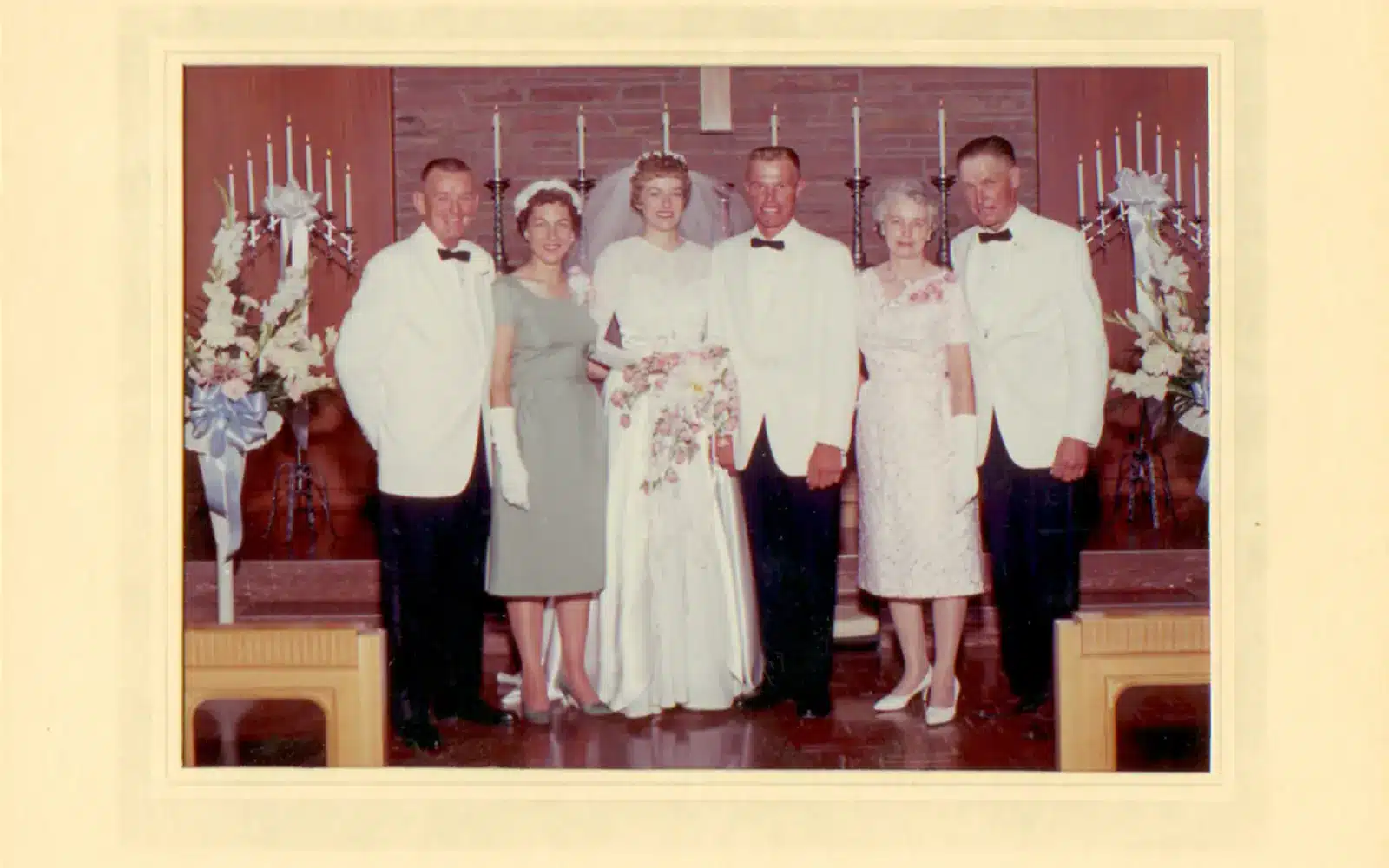
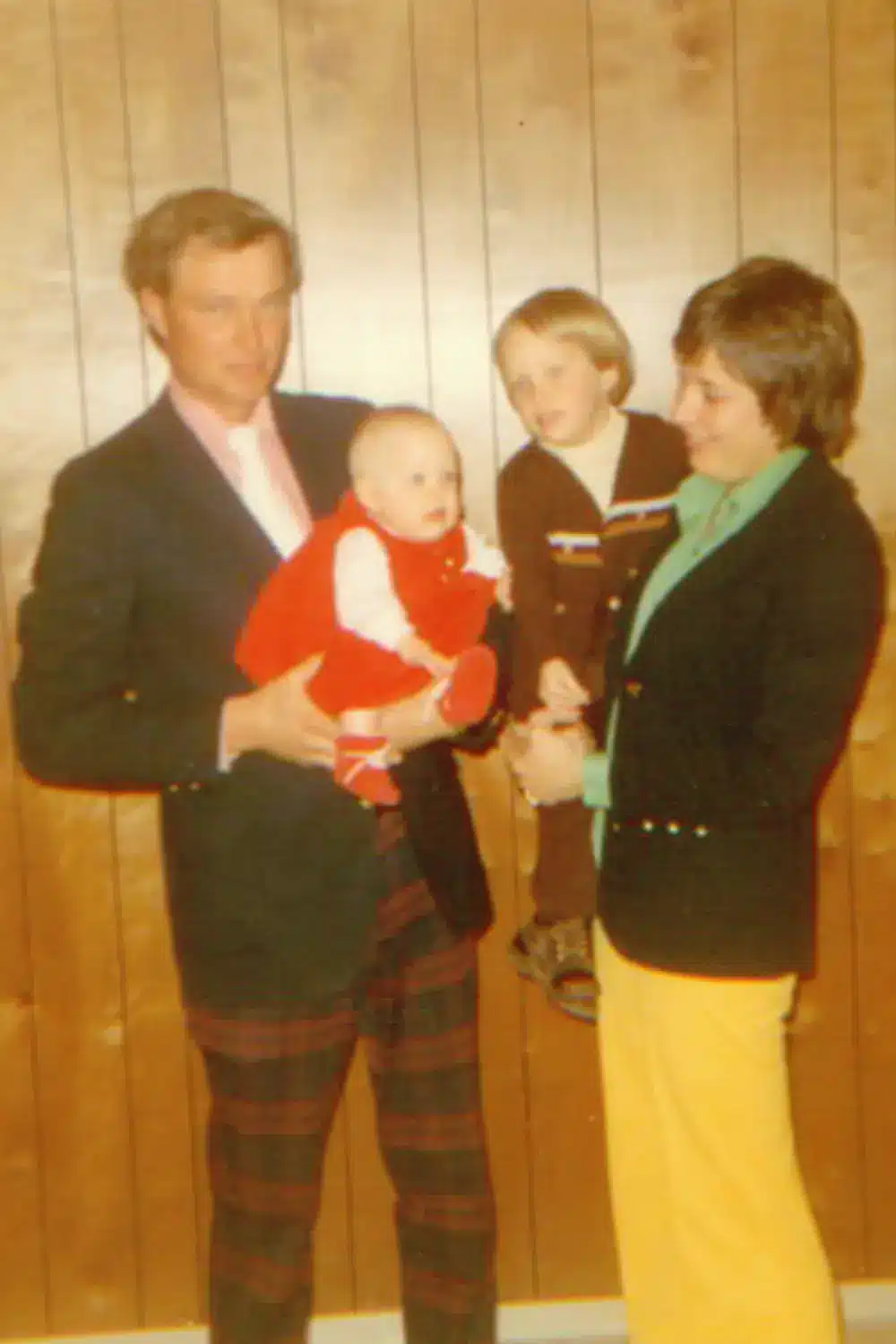
Don is wed to Karen and they move into the Main House. Don and Karen have two daughters: Kathy and Tammy.
Ed and Mary move to the South House before purchasing a home on Simpson Street in Fort Morgan, Colorado.
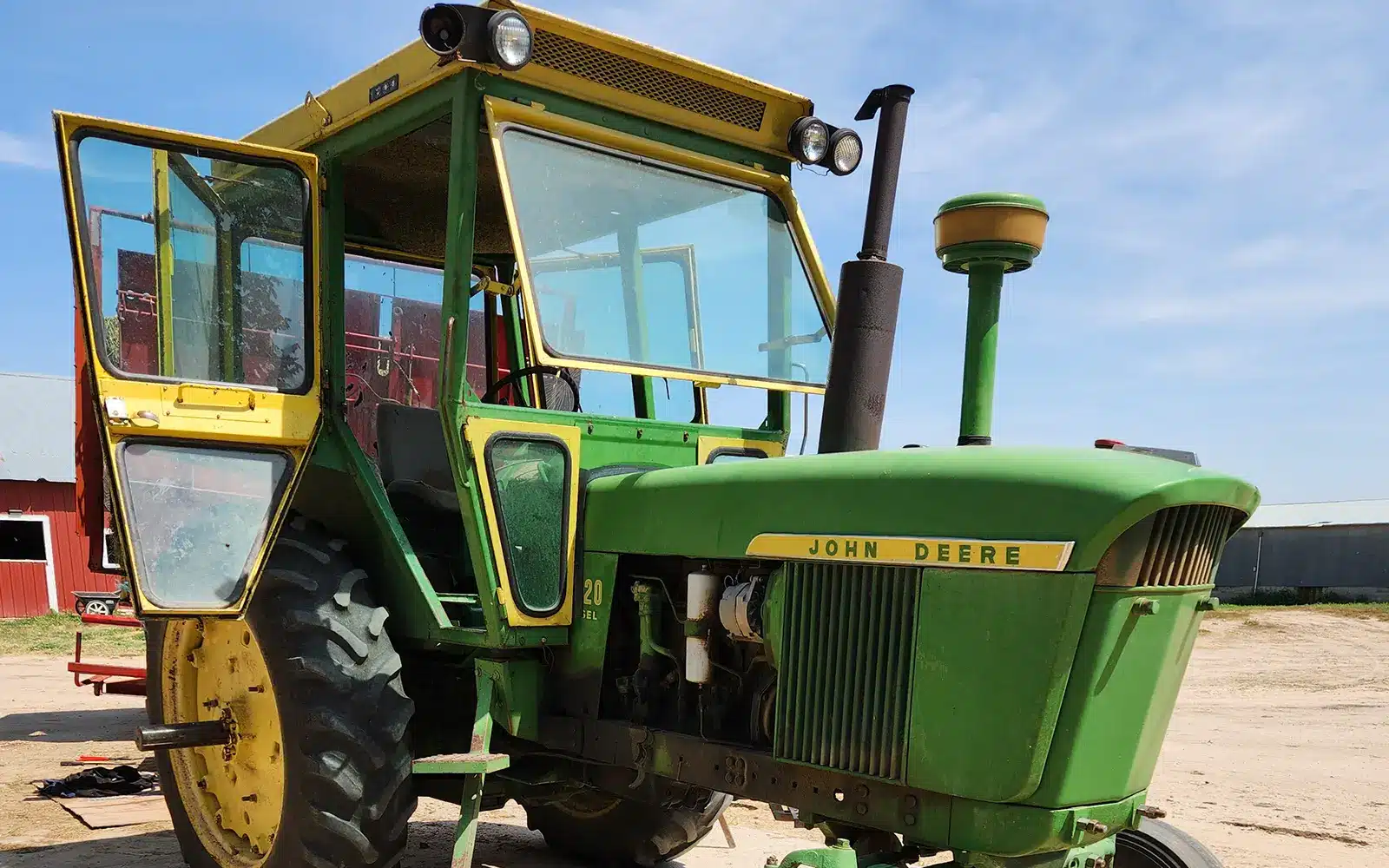
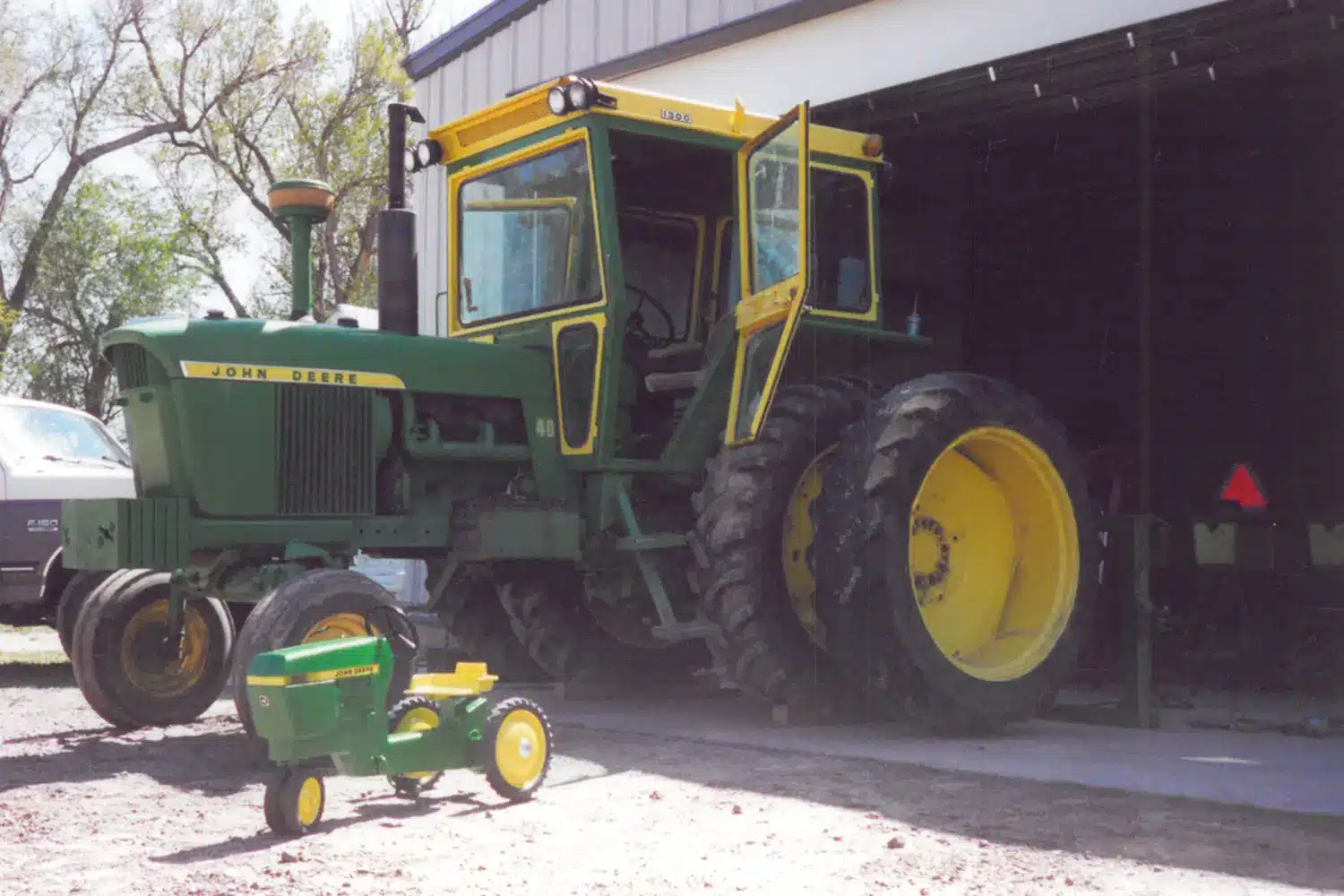
The three brothers, Don, Glen, and Larry purchase the ranch's first John Deere 4020.
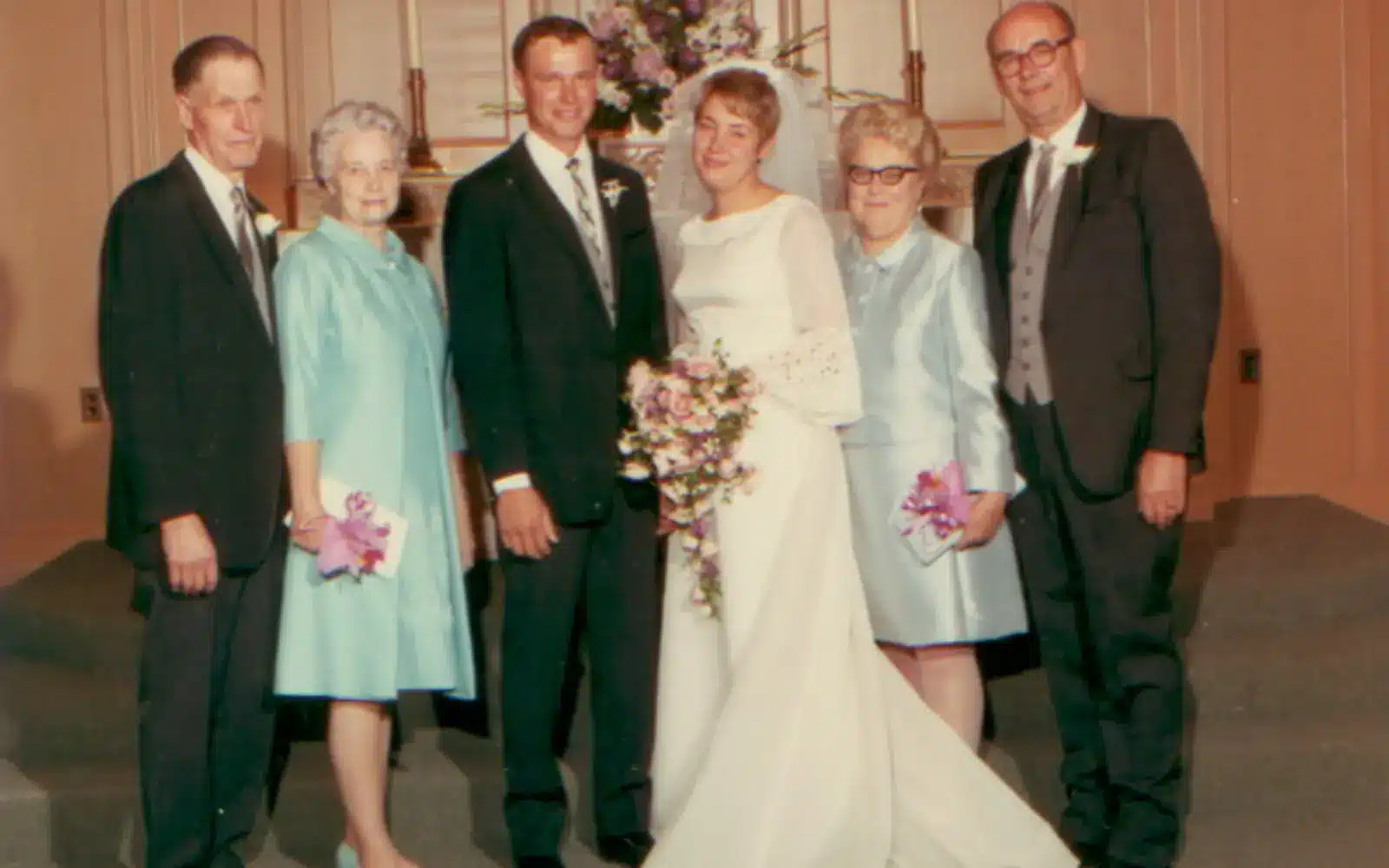
Larry is wed to Jane. They have two children: Eric and Julie.

Grandpa Edward passed away during the Fall while hunting Elk in Glenwood Springs with friends, relatives, and his son, Don.
His three sons, Don, Glen, and Larry, formed Christensen Bros. Inc to steer the ranch forward while maintaining their father’s commitment to raising cattle and crops naturally.
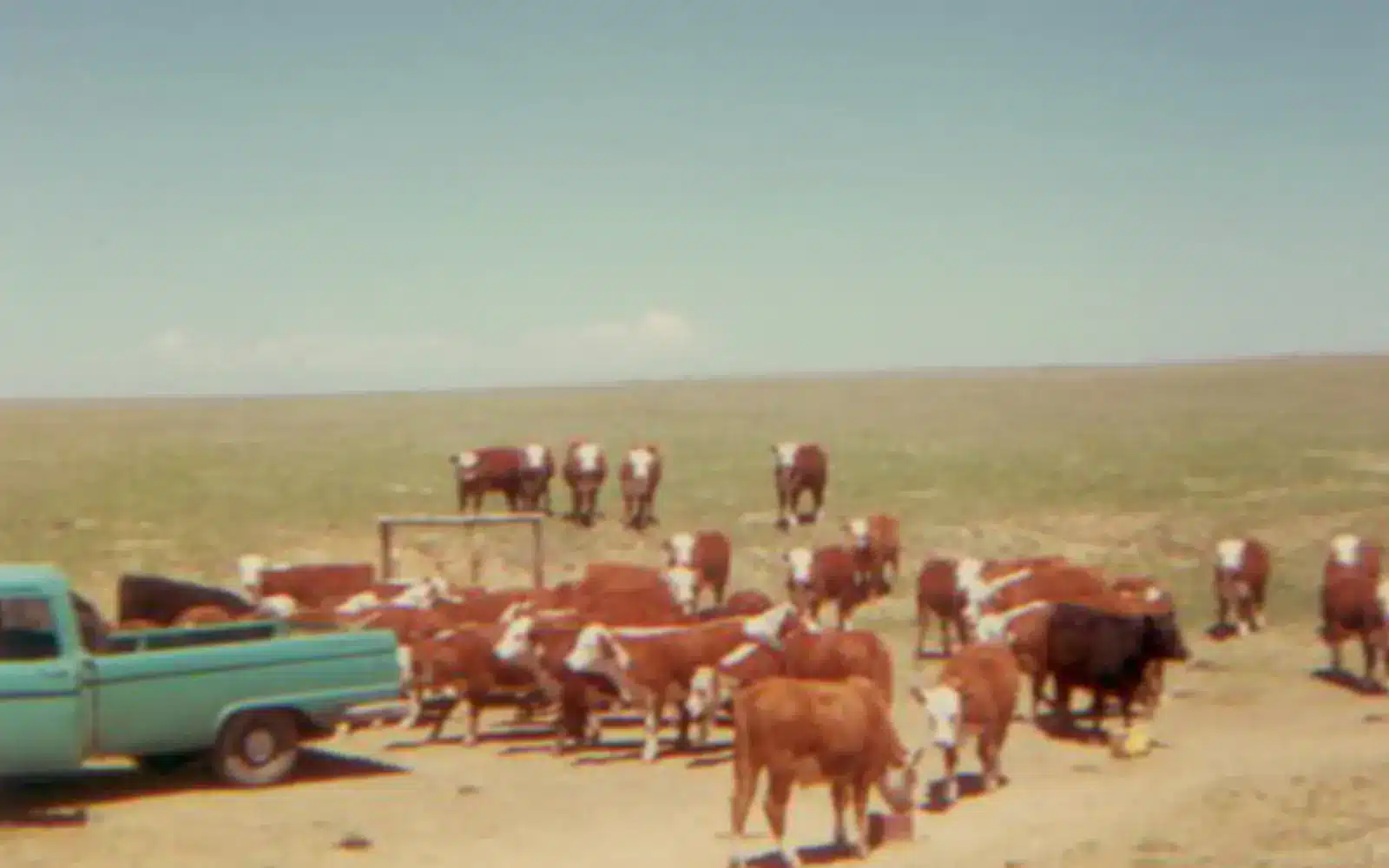
Don, Glen, and Larry continue to expand the Ranch with the purchase of the dryland Bob Minter Hill Pasture.
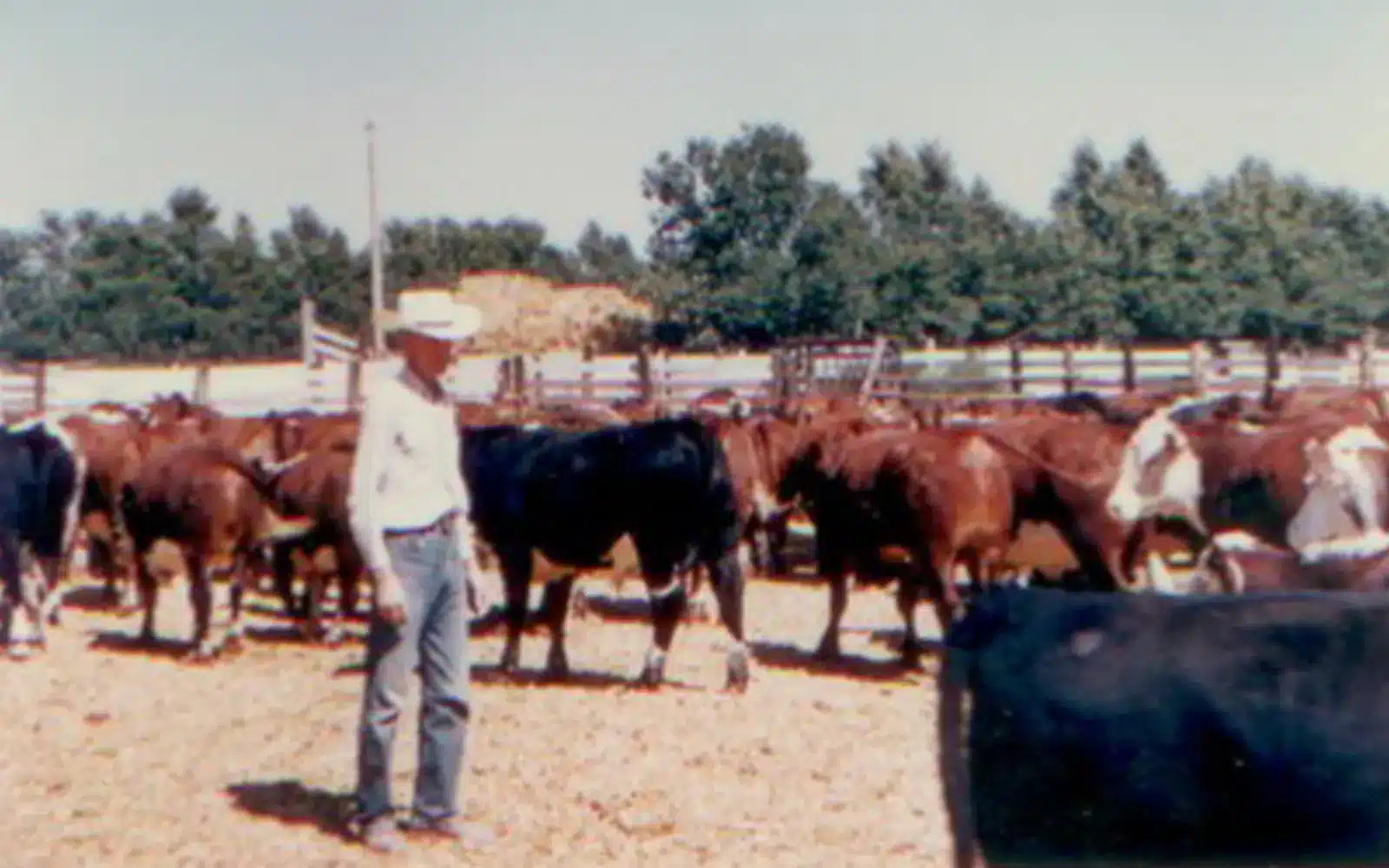
Don, Glen, and Larry continue expanding the Ranch with the purchase of the Lamborn Homestead and surrounding land, now known as our East Yard. This expansion doubles the size of the Ranch.
Quality water taps are purchased to move off well water.
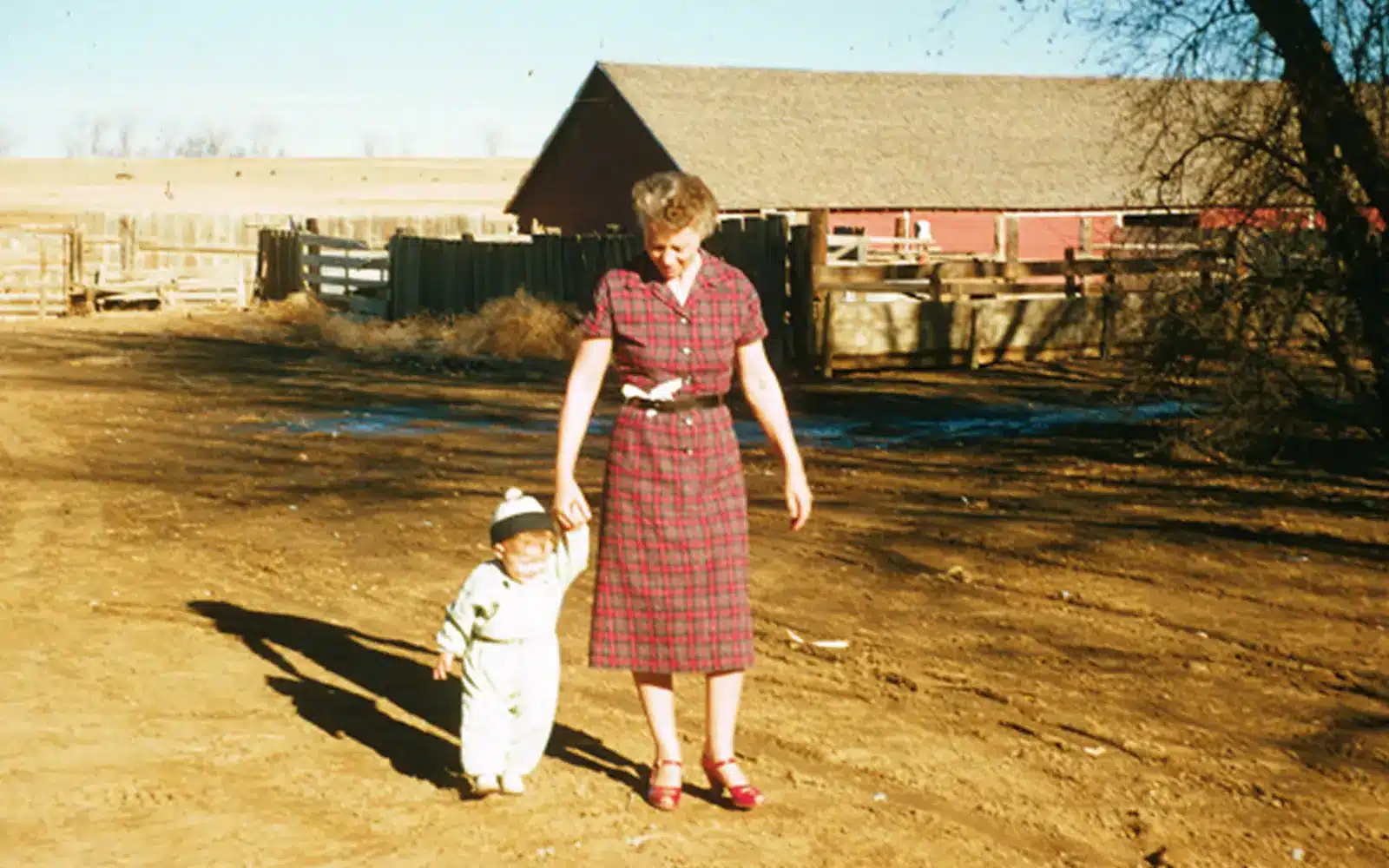
Mary passed away in the Fall of 1984.
Don and Larry buy out Glen's share of the farm so Glen's family can pursue other opportunities.
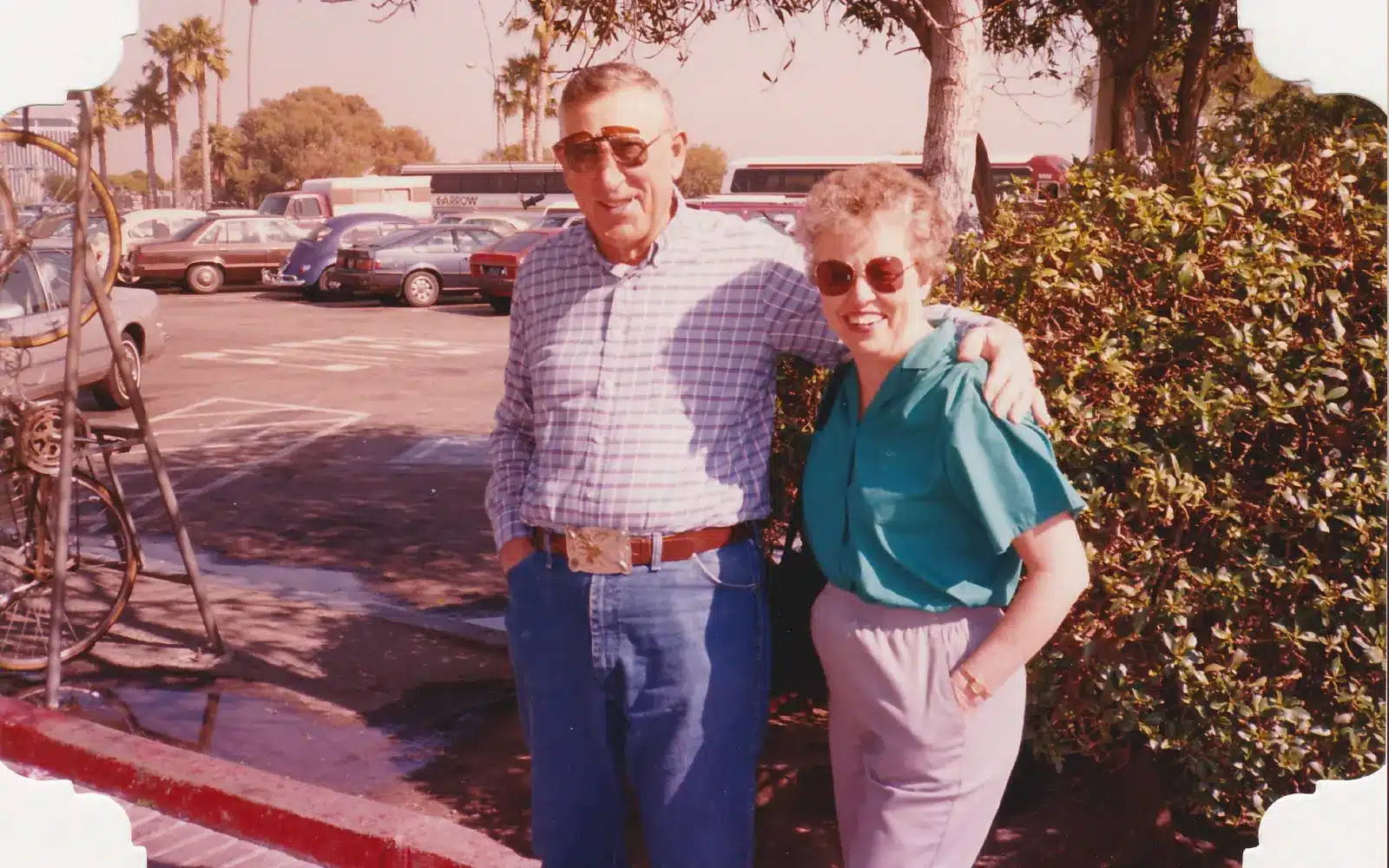
Bob Parachini passed away.
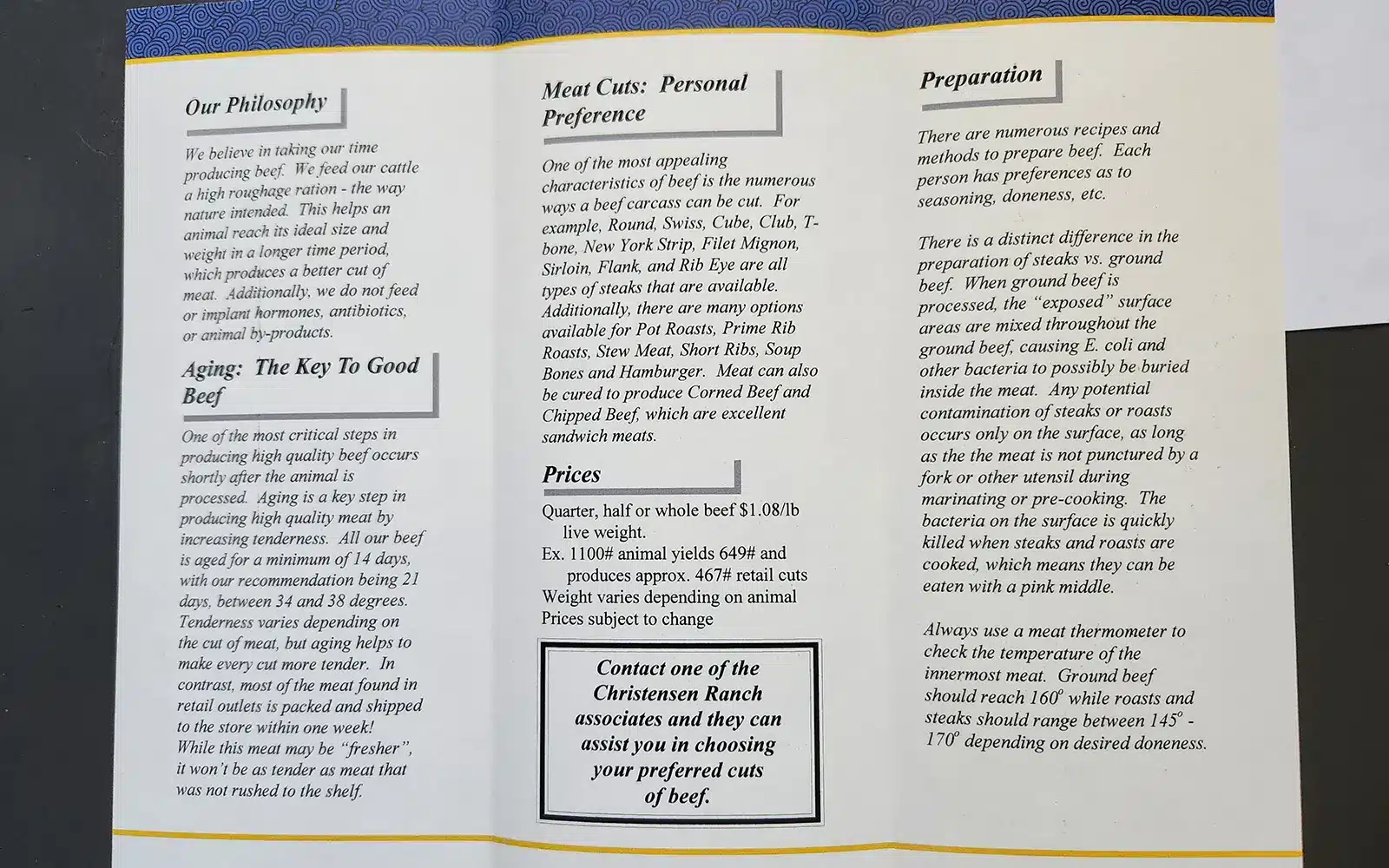
We began feeding and selling our naturally raised cattle in custom quarter, half, and whole custom beef shares to a growing network of friends and neighbors through brochures and word of mouth.
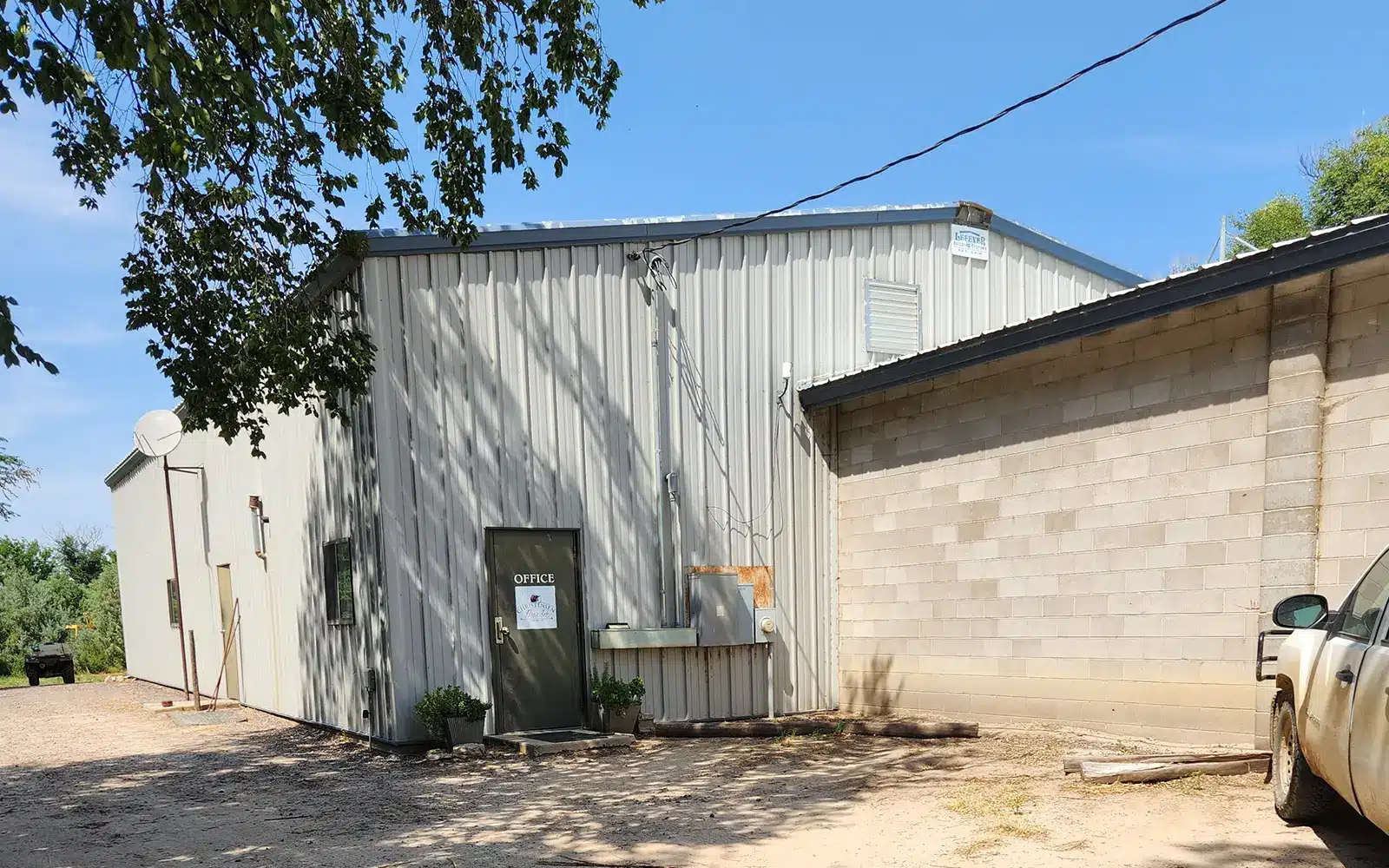
Don and Larry build a new shop that is large enough to hold the new, large farming machinery and provide space for mechanic work.
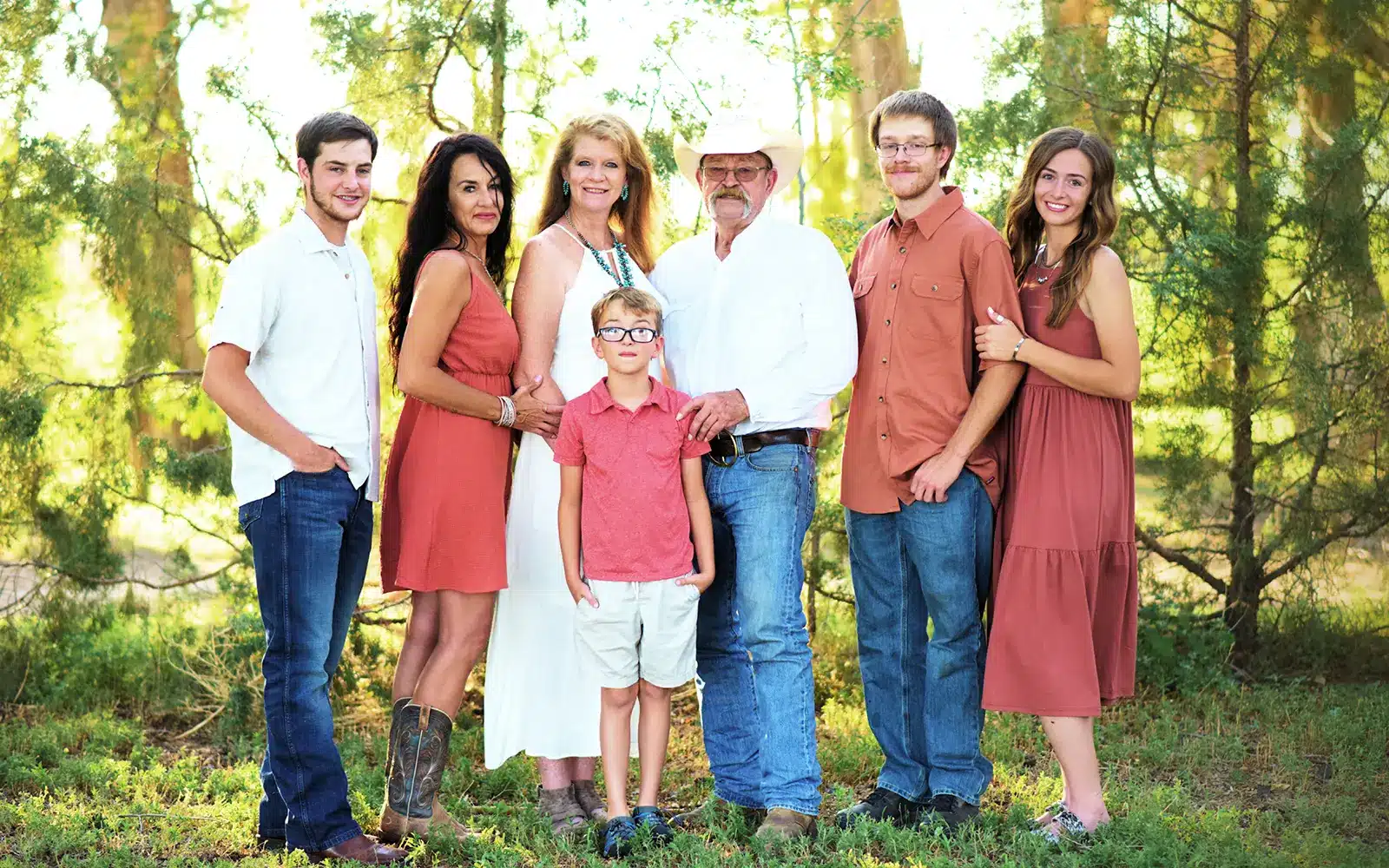
Kathy, daughter of Don and Karen, weds Don Wood. Don's daughter, Becky, becomes part of the family and later adds their first grandchildren, Caden and Tobyn. Kathy and Don have two additional children: Connor and Kirsten.
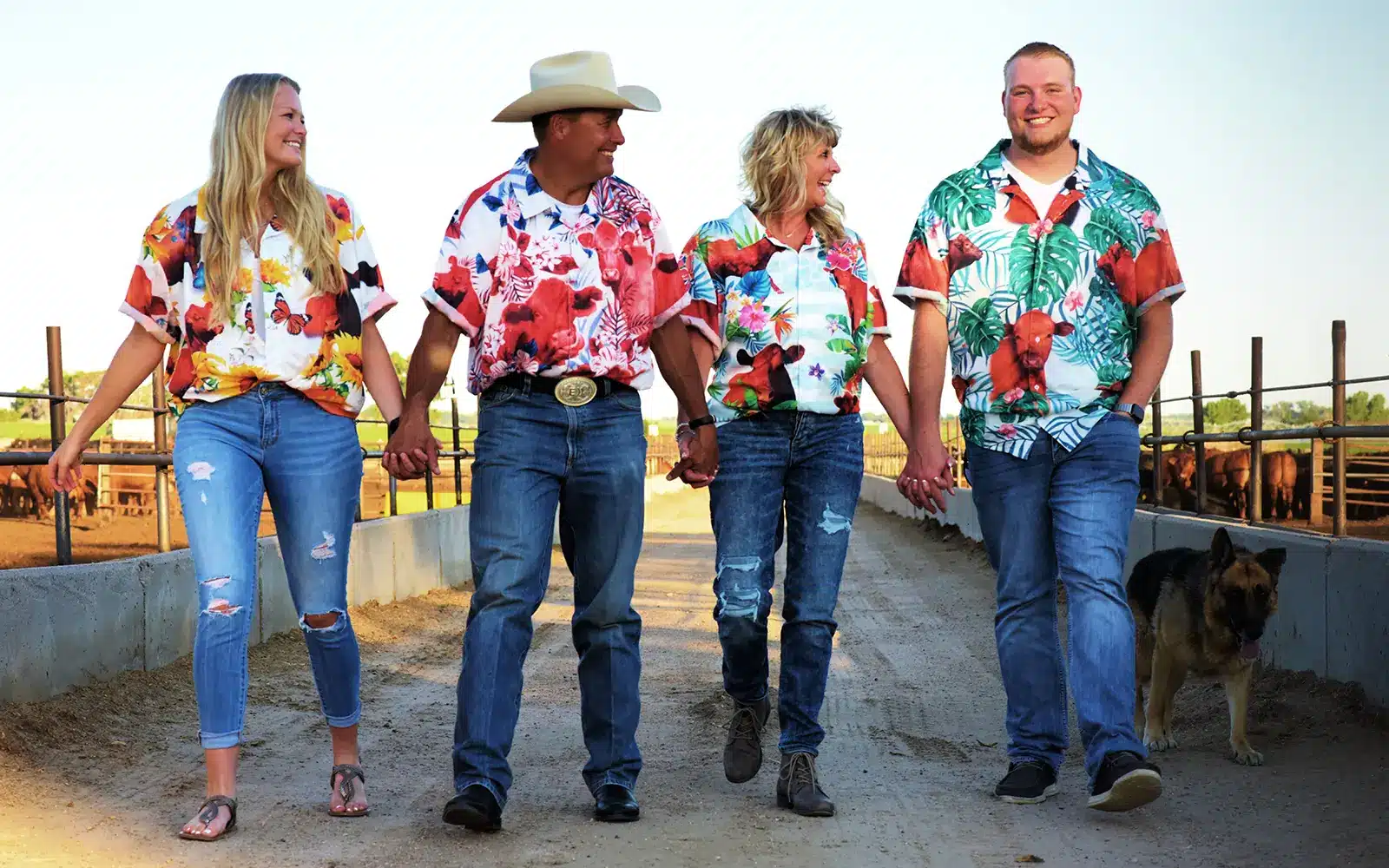
Eric, son of Larry and Jane, weds Jodi. They have two children: Tyler and Allie.

We started our Red Angus herd in order to produce the best tasting, naturally raised beef. Red Angus are a calm, maternal breed which means they make excellent mothers that produce fast-growing calves.
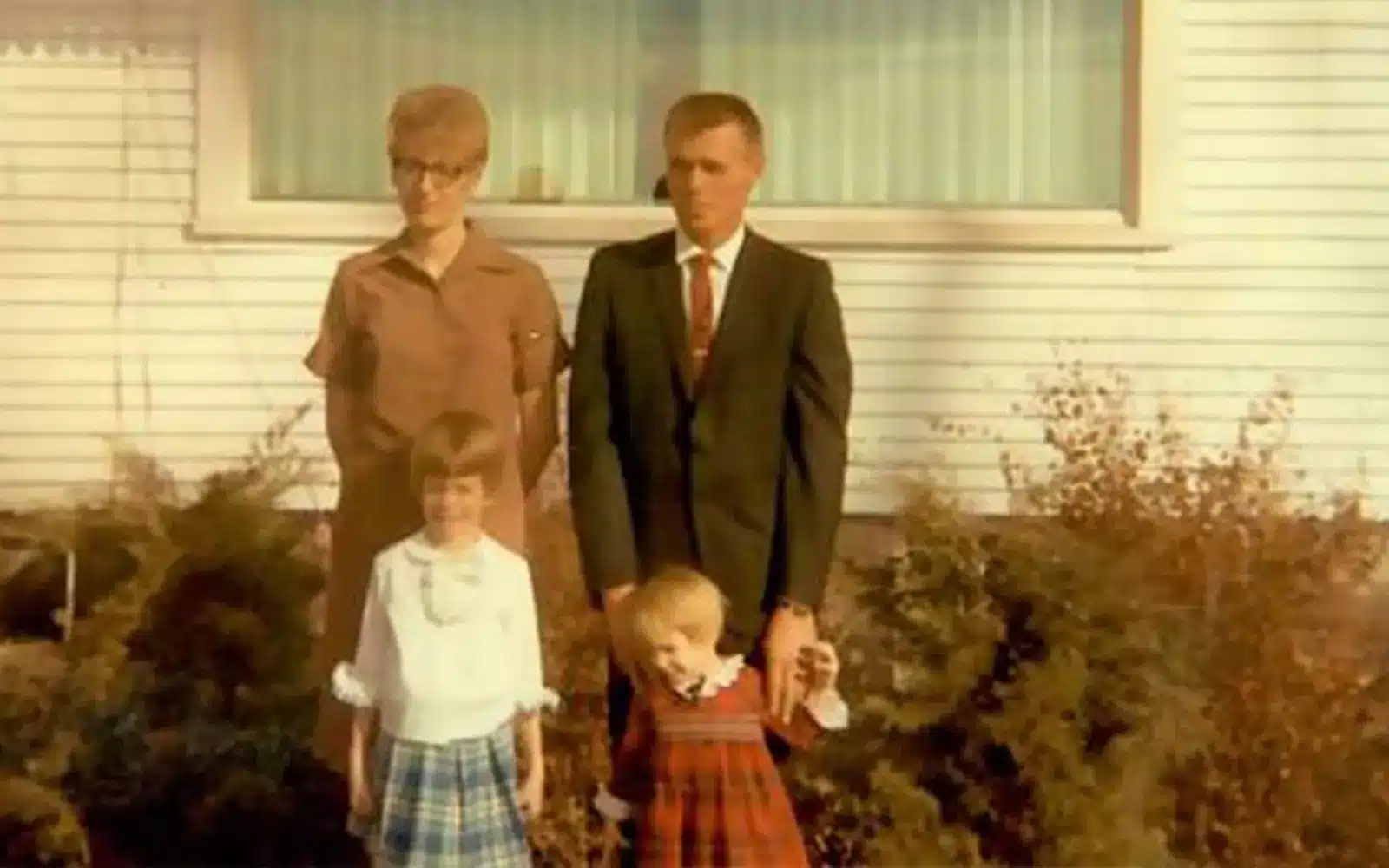
Don Christensen passed away.
Jodi, Eric's wife, builds our first website so we can share our beef with a wider audience.
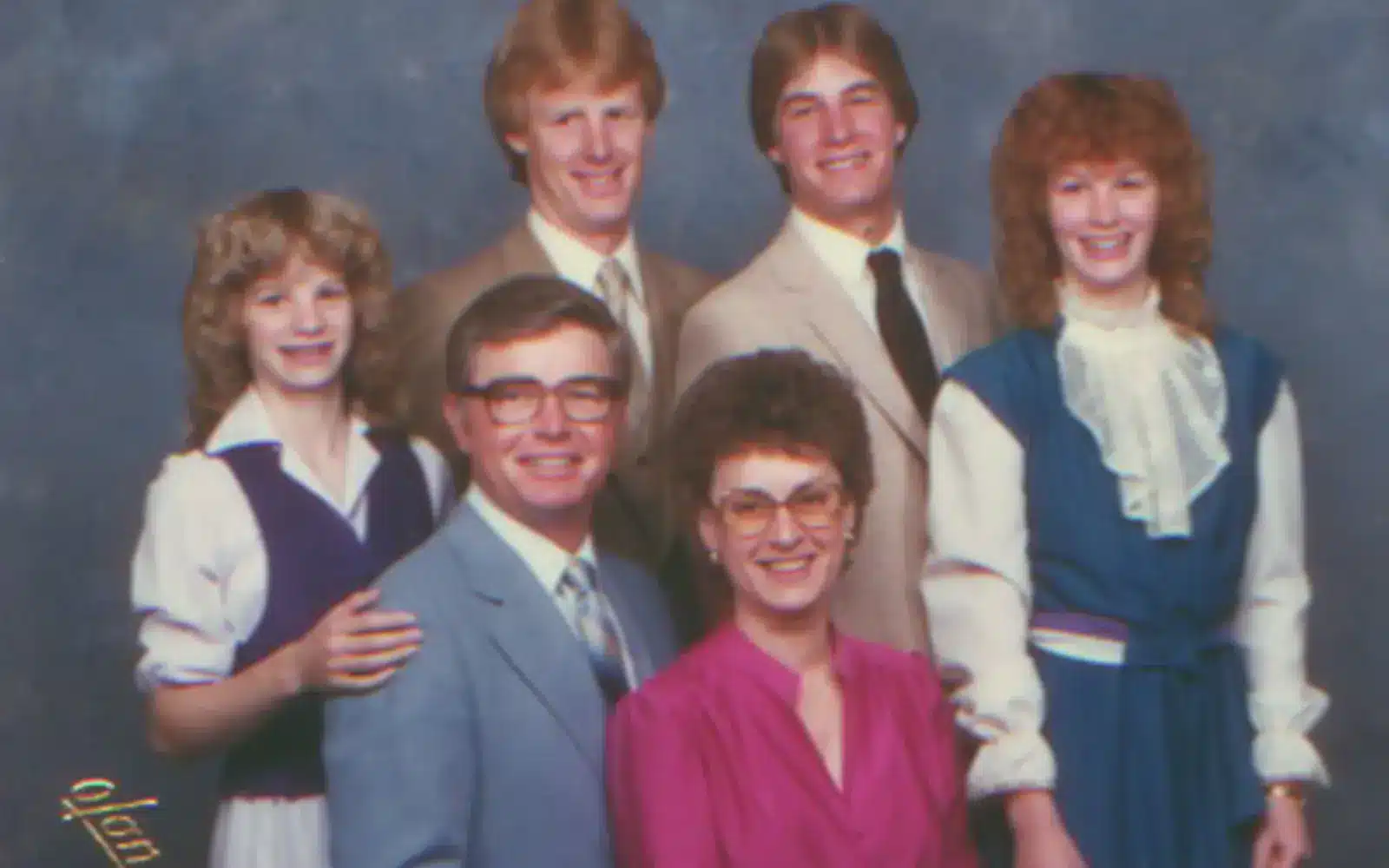
Glen passed away.
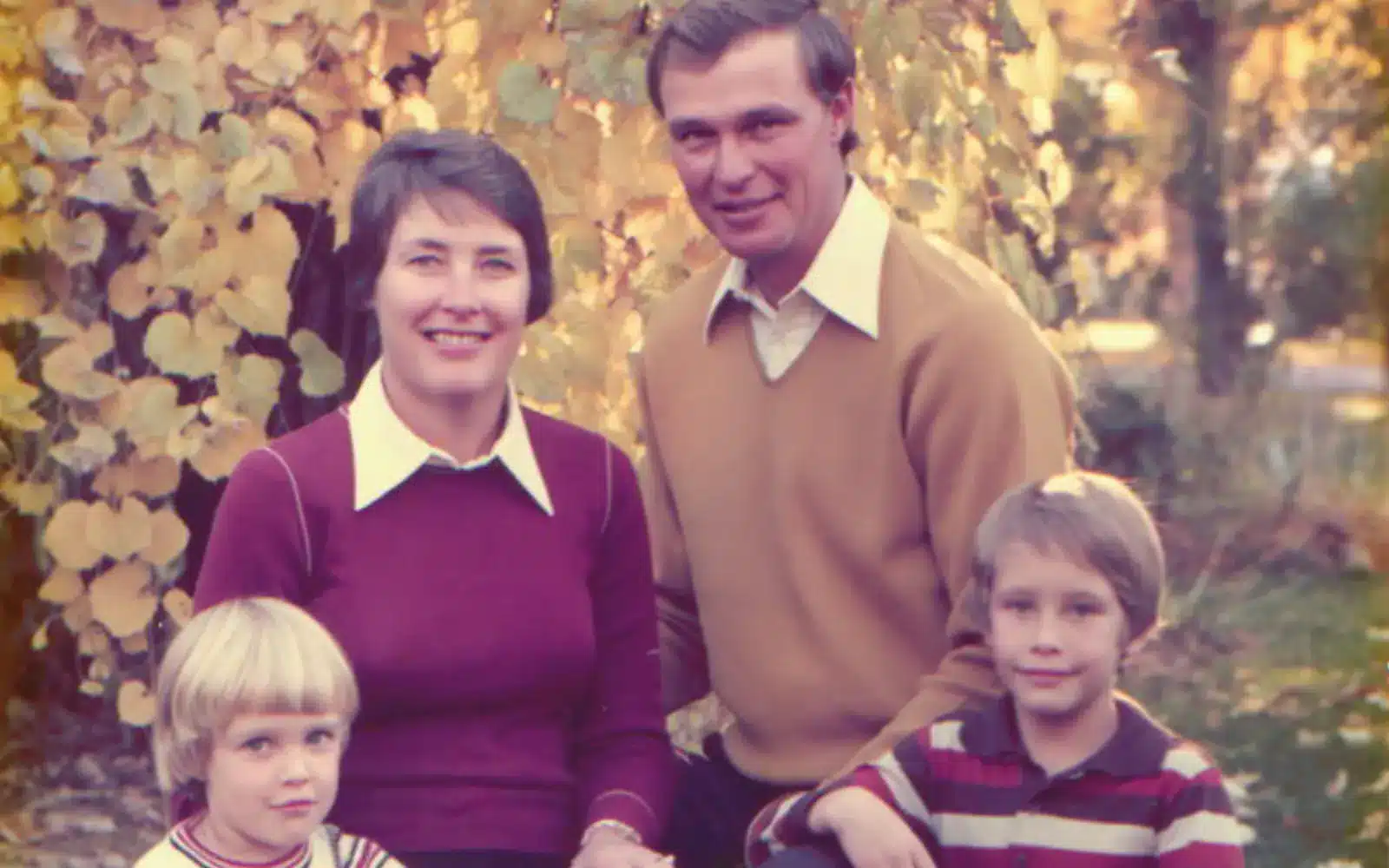
Jane passed away.

Cousins Eric and Kathy began selling quarter, half, and whole custom beef shares online to customers across Colorado and neighboring states with an updated website designed for online sales.

We began shipping 20lb and 10lb boxes filled with hand-curated assortments of our naturally raised, dry aged beef to customers across the country. We have shipped our beef to all 50 states and Canada.
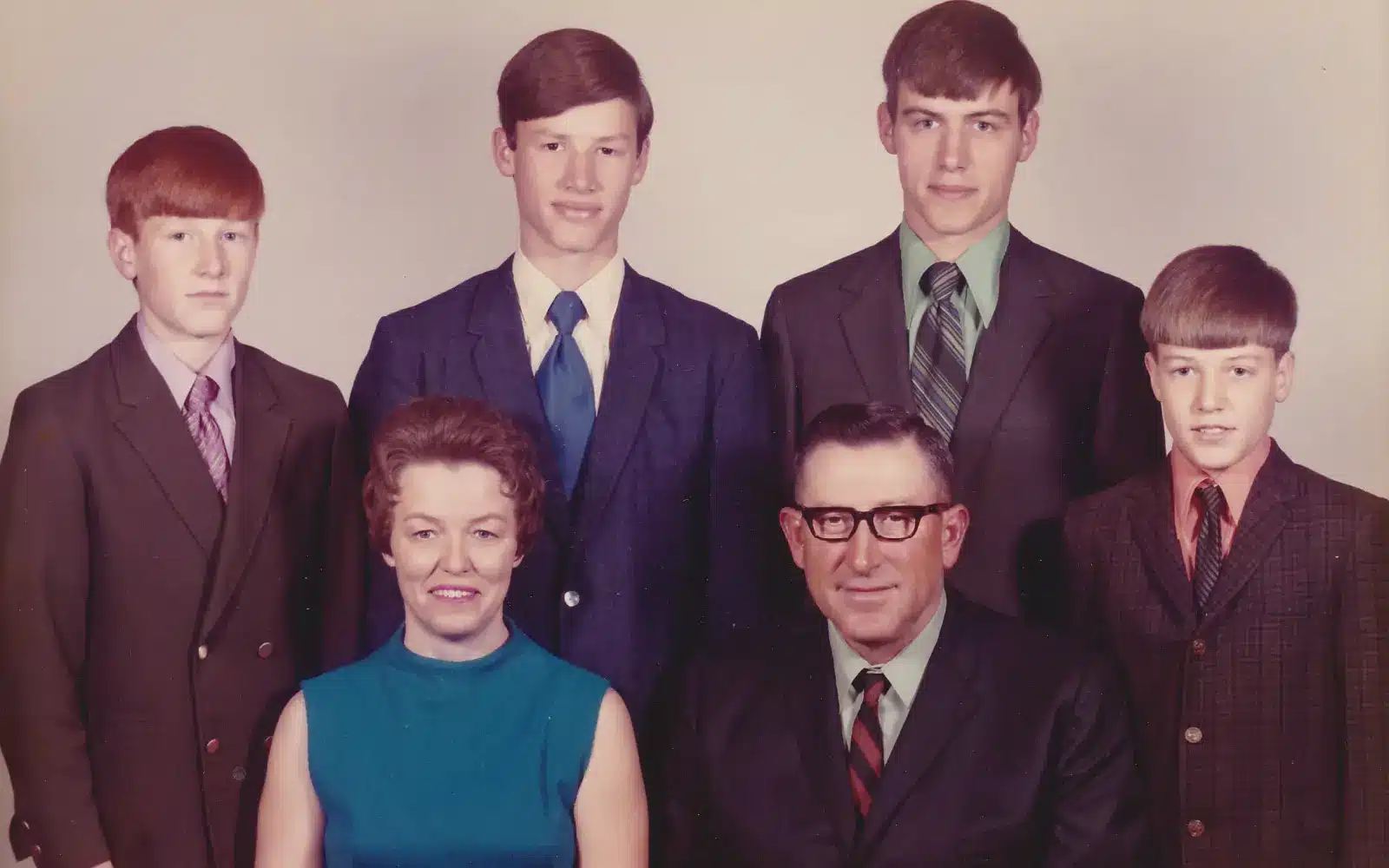
Arlene passed away.
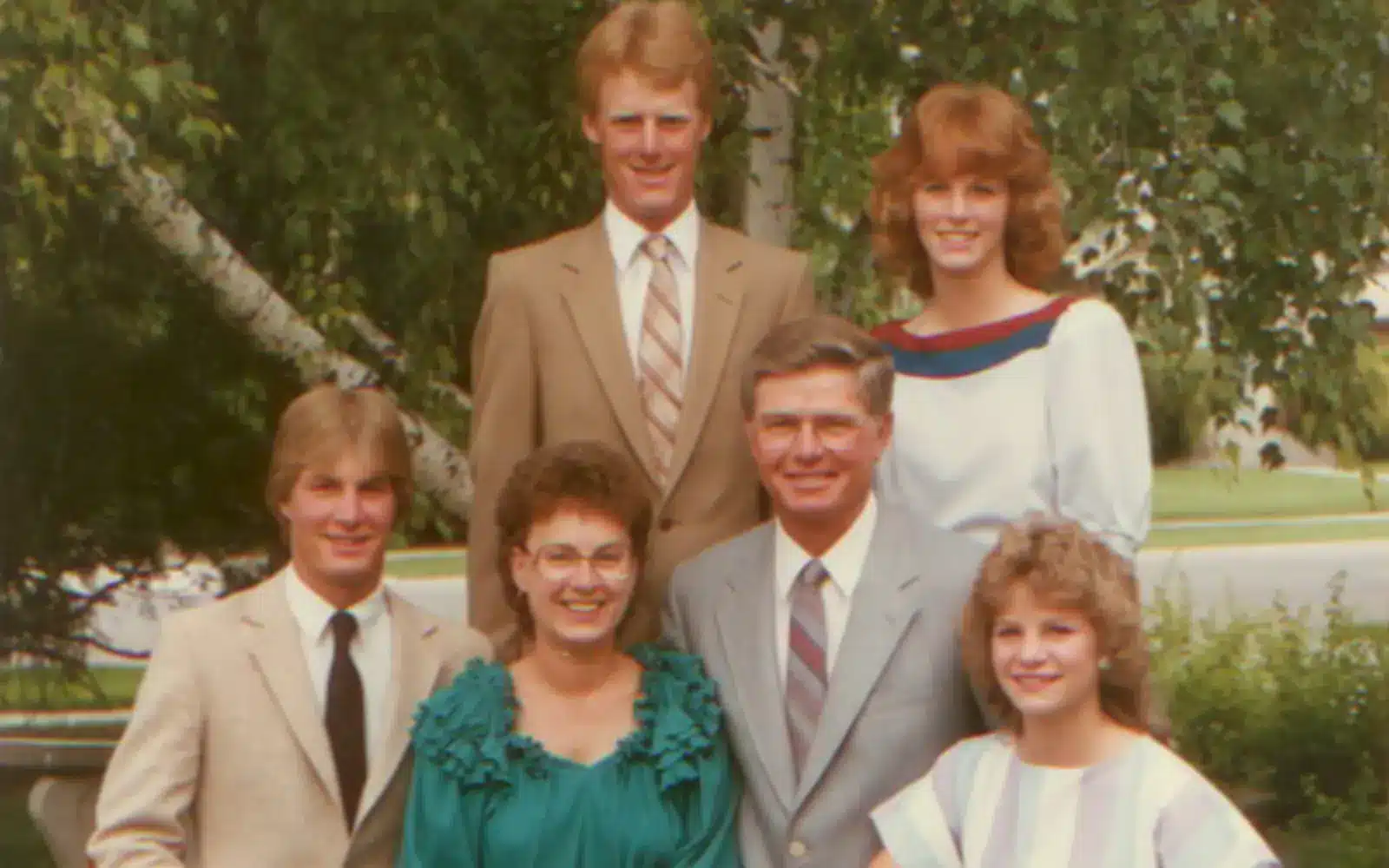
Connie passed away.

We began shipping 1/8, 1/4, and 1/2 Standard Beef shares to customers across the country.

Our short ribs, ground beef, and brisket are featured at PARC ASPEN, the newest locally sourced farm to table restaurant in Aspen, CO.
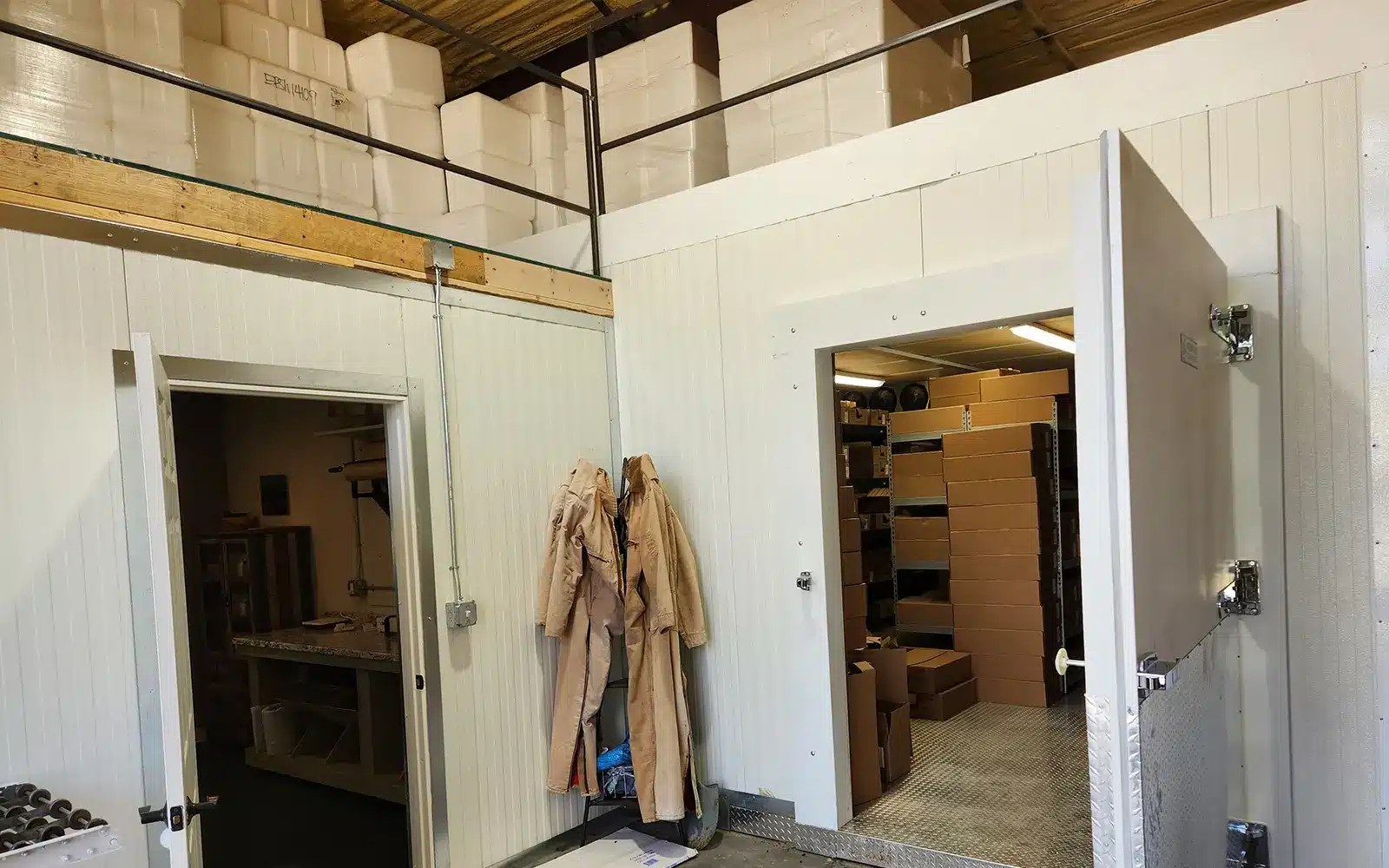
Cousins Eric and Kathy were awarded a grant to retrofit an existing building on the ranch into a Freezer & Packaging facility. The Retail Beef operation has grown significantly since 2017 and the new facility will include multiple freezer storage spaces and space to package orders as we ship our beef to an ever-growing number of customers across the country.
Playlist

0:16
0:16
0:16